Sandy Bay Marshes IBA – A Haven for Western Grebes with the Odd Bear Thrown In

Before Friday of last week, Sandy Bay Marshes was one of those places which was familiar merely as a name and a mark on a map. Last Friday while heading north to a meeting near Winnipegosis (more to follow in another blog on that subject), I stopped off for a while to discover what it was about.

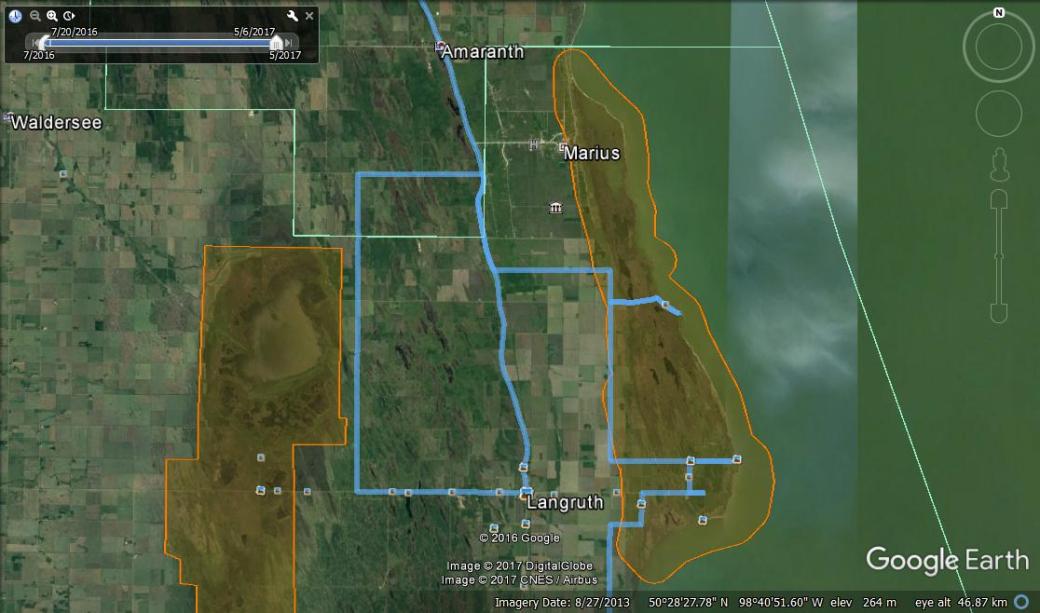
Sandy Bay was designated due to significant breeding concentrations of Western Grebe (see the IBA Canada profile for more info). It is a relatively unknown spot on the western shore of Lake Manitoba south of the Sandy Bay First Nation and near Langruth. Access to much of the marsh interior is difficult due to the road network hence the fact that there is very little information generated from this IBA in the past. Part of the IBA is in the Sandy Bay First Nation Reserve and any access taken by volunteers would need prior approval granted by the Band Council, something I had not sought beforehand, hence I did not stray into the First Nation part of the IBA.
P1020029

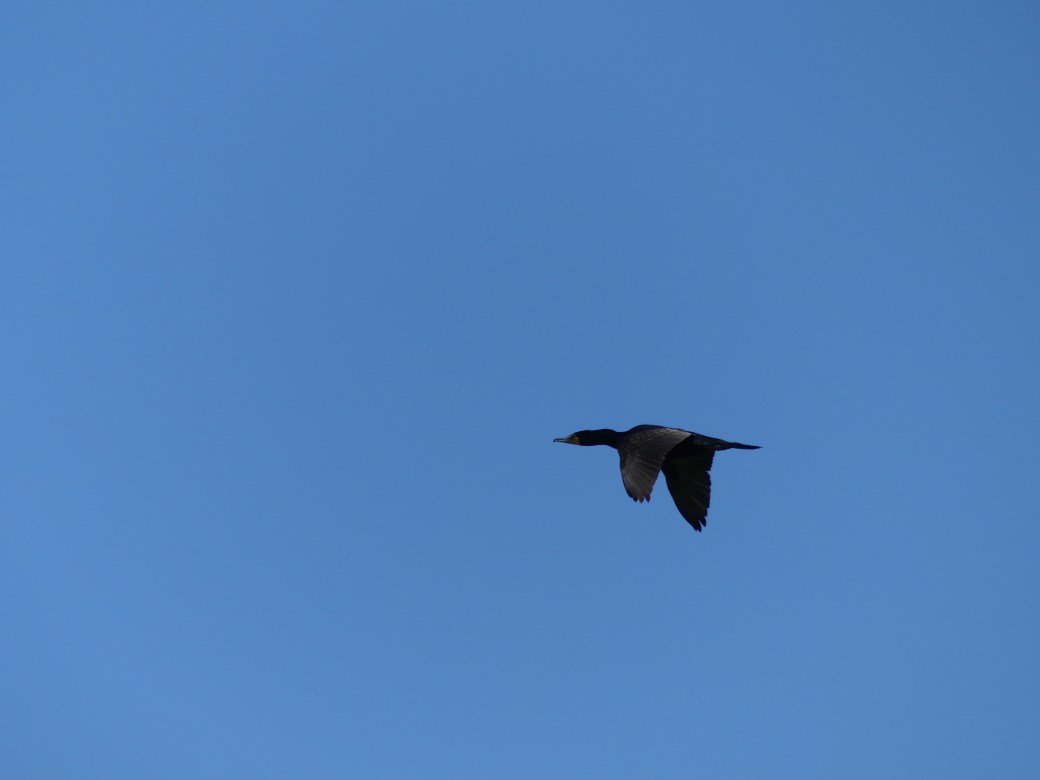
Double-crested Cormorants were fairly abundant around Sandy Bay. Copyright Tim Poole

The surrounding area is primarily tilled agricultural land. However just on the southeastern boundary of the IBA, a few more hayfields and wetlands begin to make an appearance. It was here that I encountered a couple of Marbled Godwit and a number of ducks. The first major stop was at Big Point on the shores of Lake Manitoba. Here I turned up 25 Horned Grebe, Bonaparte’s Gull, pelicans, cormorants and Common Merganser in addition to a number of other gulls, waterfowl and wetland birds.
P1020040.JPG

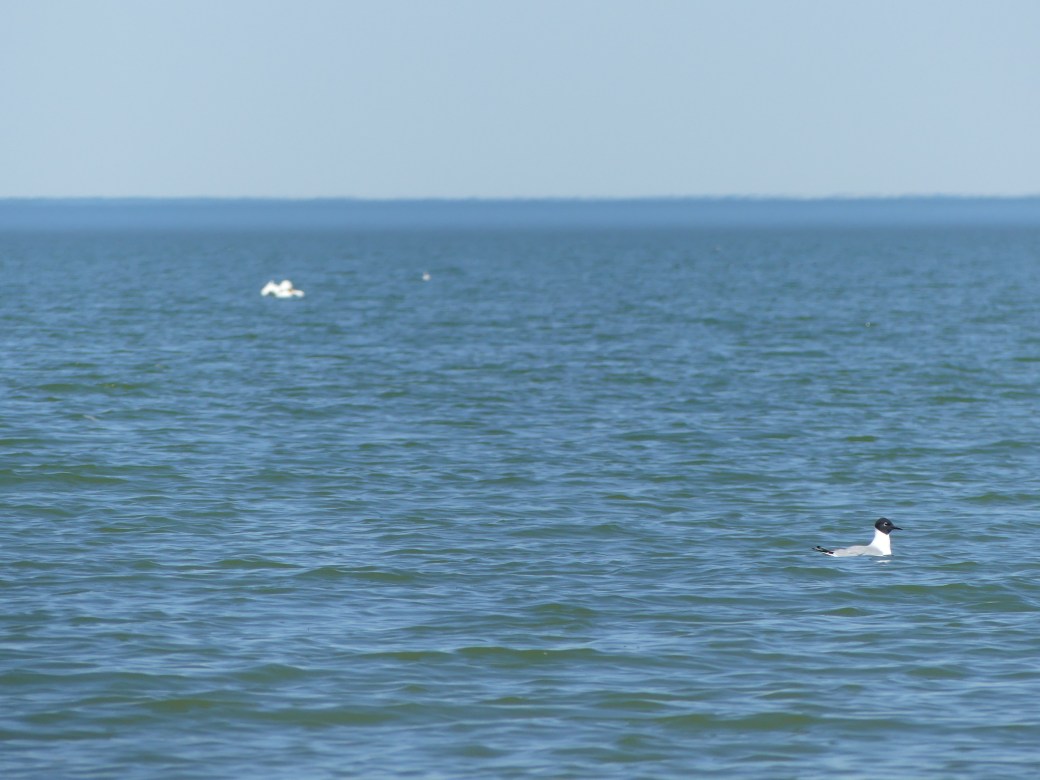
A Bonaparte’s Gull off of Big Point with an American White Pelican relaxing in the water behind. Closer inspection with a scope revealed large numbers of Western Grebe and Horned Grebe in the water around this gull. Copyright Tim Poole

Already it was apparent that this was a special spot for Western Grebe, 94 counted in the waters of Lake Manitoba – and likely more given that there were certainly a number of distant specks in the wider area.
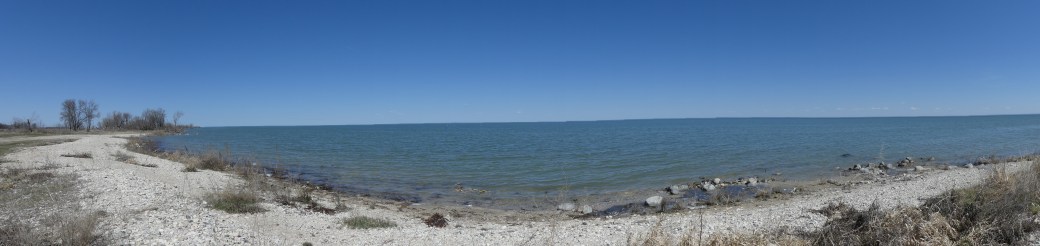
P1020038.JPG

Panoramic view of Big Point. Copyright Tim Poole

Criss-crossing north, the next stop would be at Stony Point where the only other folk enjoying the sunshine were the RCMP! Before that there was a cracking wetland pool next to the road with 107 Western Grebe. Also present were 2 Eared Grebe. Already it was apparent that if this one pool had upwards of a hundred birds, how many more would be hidden in the inaccessible parts of the marsh?
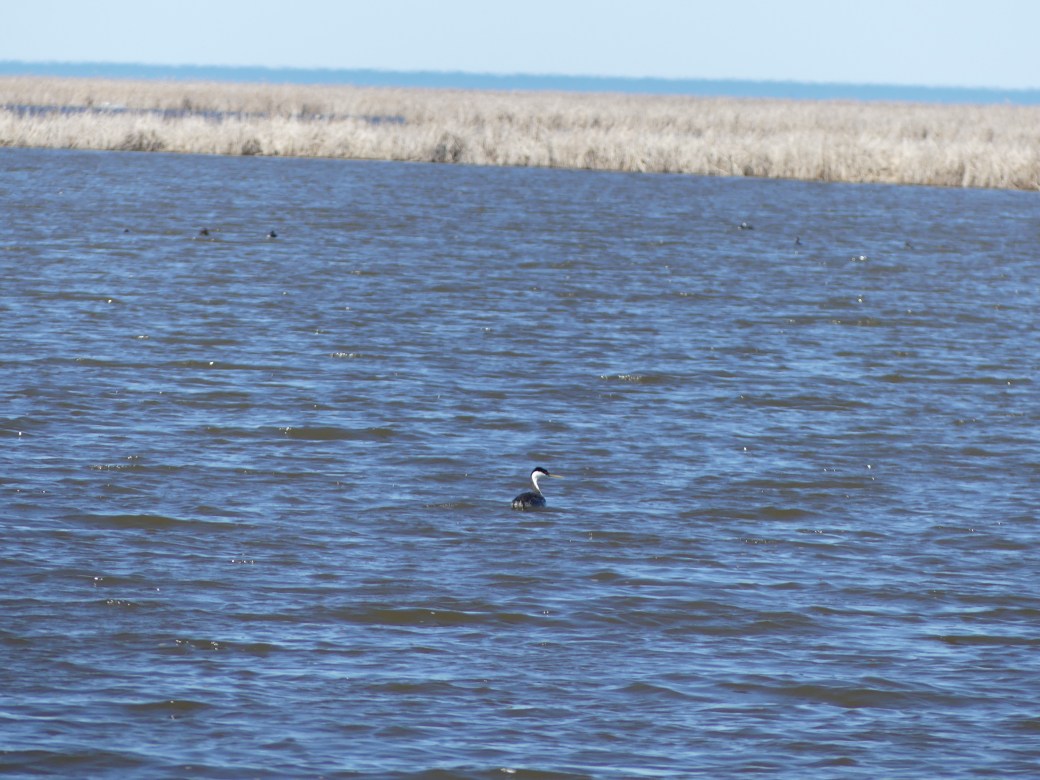
P1020043.JPG

Unfortunately all the grebes, although plentiful, seemed to avoid getting too close to the road restricting photographic possibilities. This is the best I could manage! Copyright Tim Poole

Finally to the small beach at Stony Point. There were a couple of American Bittern in the adjacent marsh, White-throated Sparrow, Hermit Thrush and juncos in the trees and a huge abundance of Western Grebes bobbing around in the water. In fact there 522 floating around the bay. This is around 0.25% of the global breeding population of this species – not bad for a single point count. There were also 10 Common Merganser and the usual pelicans and cormorants.
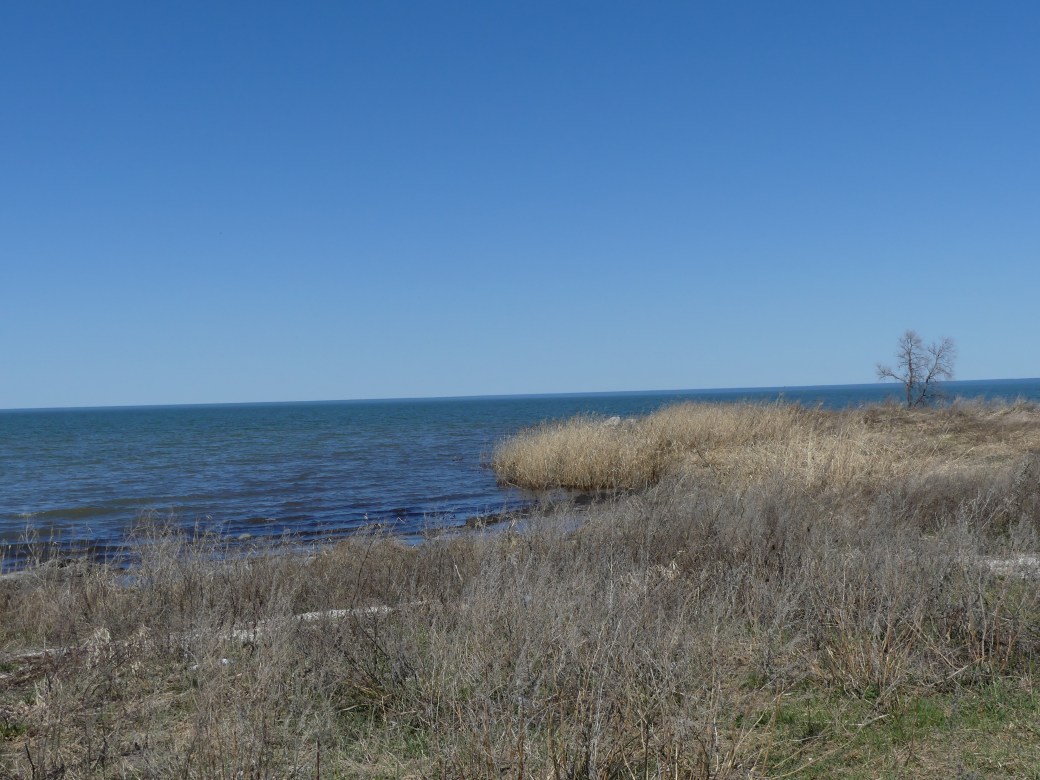
P1020045.JPG

There’s probably over a hundred Western Grebes here somewhere. Copyright Tim Poole

Canada Goose 2
Gadwall 4
American Wigeon 2
Mallard 32
Blue-winged Teal 21
Northern Shoveler 2
Canvasback 12
Redhead 29
Greater Scaup 5
Lesser Scaup 4
Greater/Lesser Scaup 53
Bufflehead 3
Common Goldeneye 32
Common Merganser 11
Ruddy Duck 2
Pied-billed Grebe 1
Horned Grebe 25
Eared Grebe 2
Western Grebe 723
Double-crested Cormorant 106
American White Pelican 35
American Bittern 2
Northern Harrier 4
Red-tailed Hawk 3
American Coot 3
Killdeer 4
Marbled Godwit 4
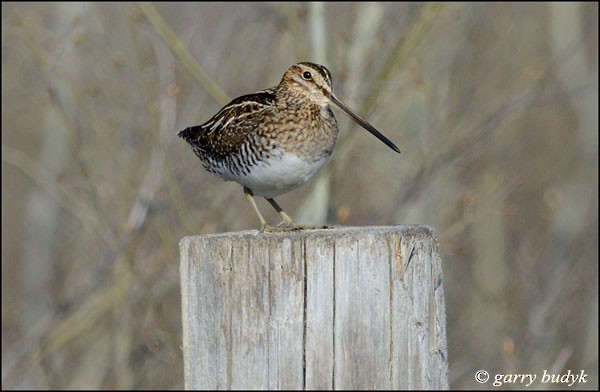
Wilson’s Snipe 1
Willet 1
Bonaparte’s Gull 10
Franklin’s Gull 48
Ring-billed Gull 49
Forster’s Tern 4
Rock Pigeon 4
Mourning Dove 1
Northern Flicker 1
Black-billed Magpie 3
Common Raven 1
Tree Swallow 1
Barn Swallow 1
Hermit Thrush 1
Dark-eyed Junco 10
White-throated Sparrow 1
Savannah Sparrow 3
Song Sparrow 10
Red-winged Blackbird 53
Western Meadowlark 1
Yellow-headed Blackbird 14
Brewer’s Blackbird 69
Common Grackle 20
Brown-headed Cowbird 1

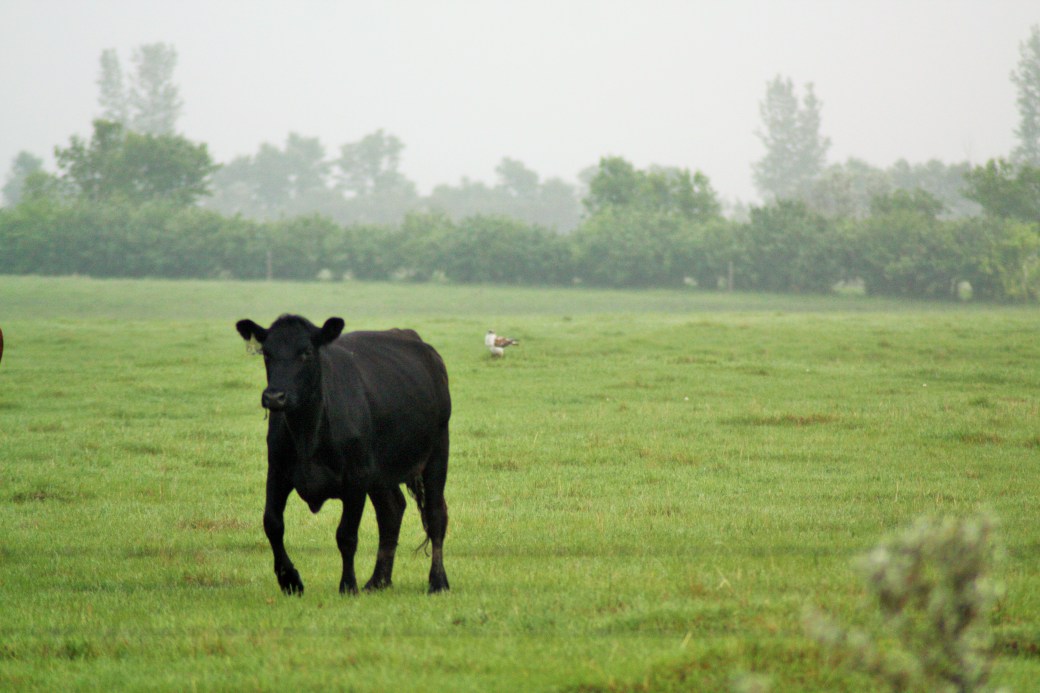
On leaving the IBA, I headed across towards Langruth and Big Grass Marsh, skirting the edge of that IBA. This is another interesting area if only you can get into it, and I plan to find a way to do just that later in the season, so please watch this space. The one thing that did pop up was a Black Bear loitering at the back of a field.
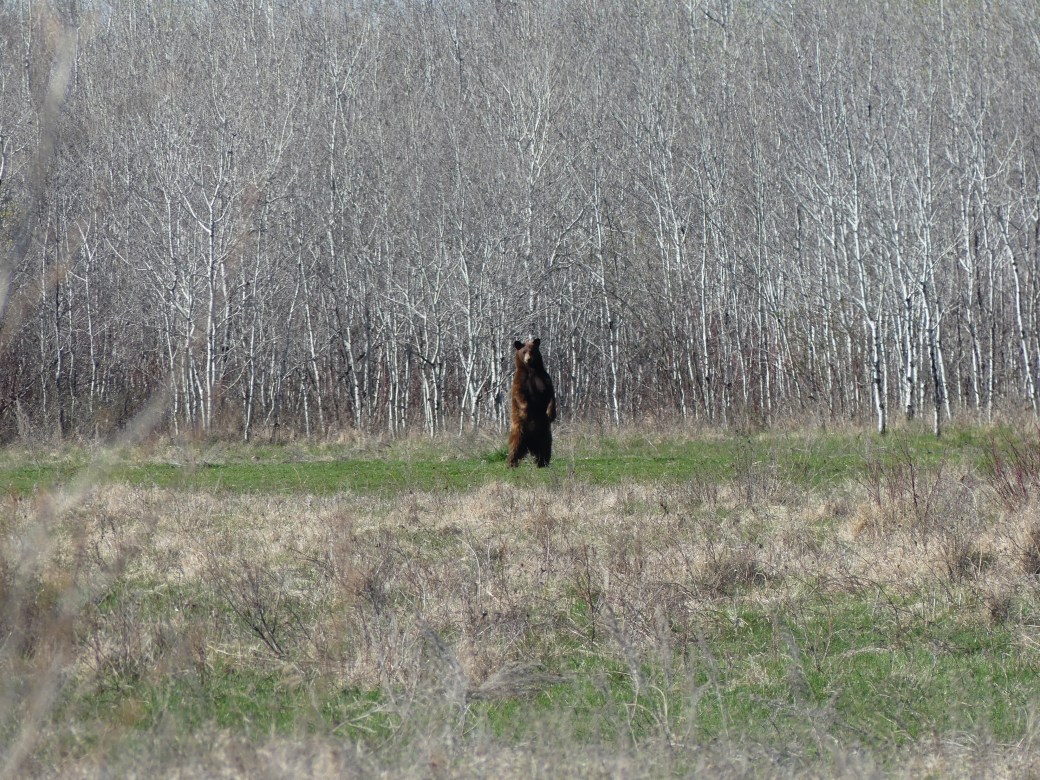
P1020048.JPG

Immediately after checking me out, this bear ran off into the bush. Obviously knows who is boss! Copyright Tim Poole 

The Sandy Bay trip makes me realise that we still need to explore some of these areas more fully. I have attached a copy of may route through the IBA below to help anyone else exploring this area. I wonder if monitoring post breeding populations is possible given that we located over 2000 Western Grebes gathered around Whitewater Lake in early August 2016. Food for thought!
SANDY BAY IBA Trip.jpg

Whitewater Lake IBA – Garry Budyk and John Weier Trip List and Photos

Ahead of the coming IBA blitz at Whitewater Lake, it feels like a good time to remind people just how special this place is for migrating birds, especially those boreal, tundra and High Arctic shorebirds. Garry Budyk and John Weier have been busy and sent in another report, this time from Whitewater Lake IBA. This time they clocked a mere 17 species of shorebirds on May 8th including an impressive 200 Pectoral Sandpipers. Hopefully next weekend, 13 days later on the 21st May, we will have larger numbers and more species as the migration season reaches its peak.

All photos below are taken by, and copyright of Garry Budyk

Snow Goose, 20

Canada Goose, 21

Wood Duck, 1

Gadwall, 54

American Wigeon, 2

Mallard, 125

Blue-winged Teal, 98

Northern Shoveler, 39

Northern Pintail, 45

Green-winged Teal, 19

Canvasback, 26

Redhead, 79

Ring-necked Duck, 2

Lesser Scaup, 25

Bufflehead, 5

Hooded Merganser, 1

Ruddy Duck, 56

Pied-billed Grebe, 2

Eared Grebe, 12

Western Grebe, 50

Double-crested Cormorant, 14

American White Pelican, 83

Great Blue Heron, 1

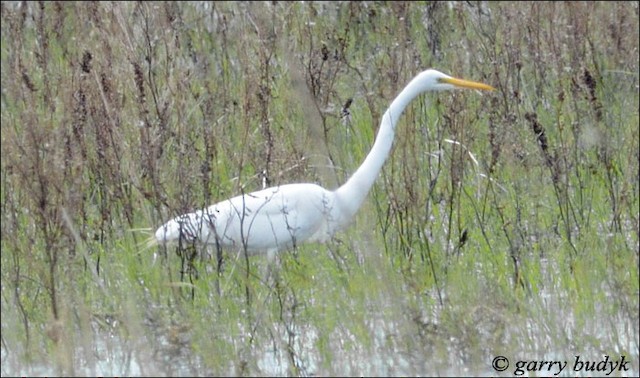
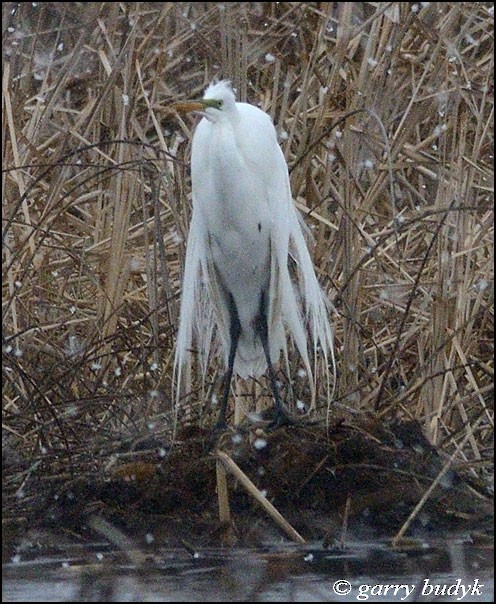
Great Egret, 24

GREG - WWL

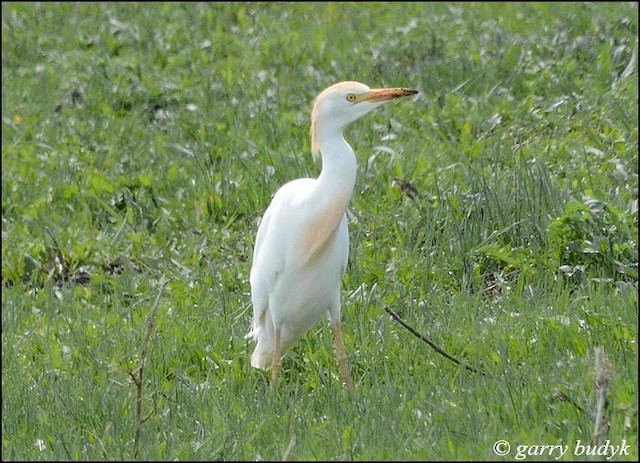
Cattle Egret, 1

CAEG - WWL

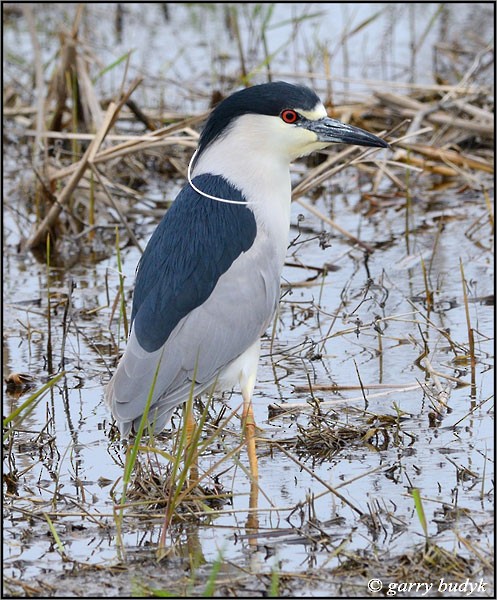
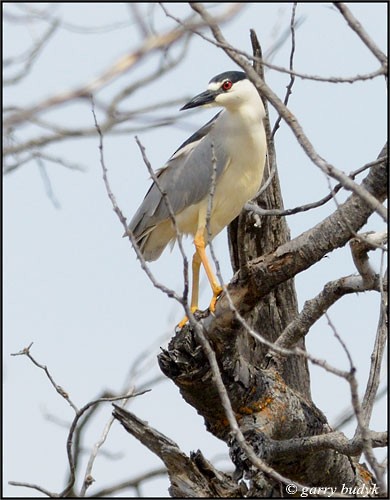
Black-crowned Night-Heron, 4

BCNH - WWL

White-faced Ibis, 16

Turkey Vulture, 1

Osprey, 1

Northern Harrier, 6

Swainson’s Hawk, 1

Red-tailed Hawk, 1

American Coot, 198

American Avocet, 27

Killdeer, 11

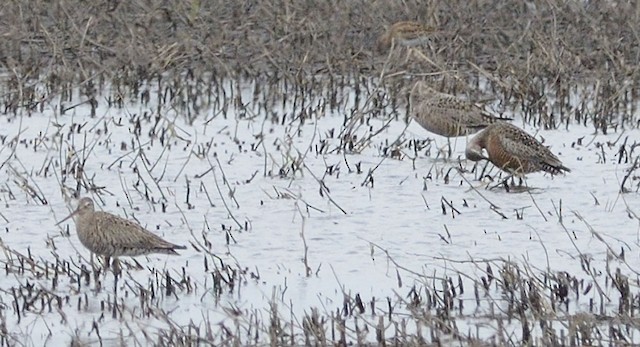
Hudsonian Godwit, 3

HUGO - WWL

Marbled Godwit, 5

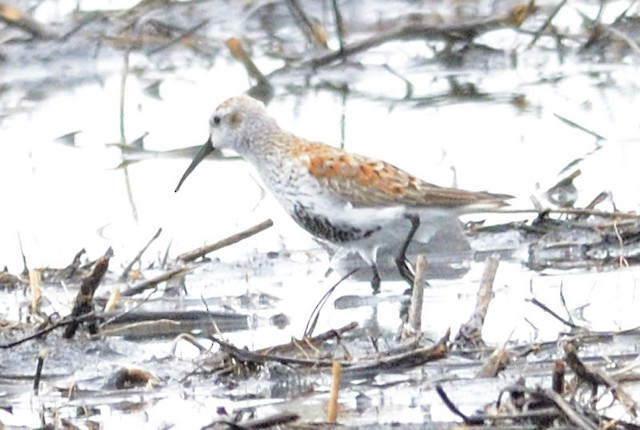
Dunlin, 7

DUNL - WWL

Baird’s Sandpiper, 17

BASA - WWL

Least Sandpiper, 6

White-rumped Sandpiper, 3

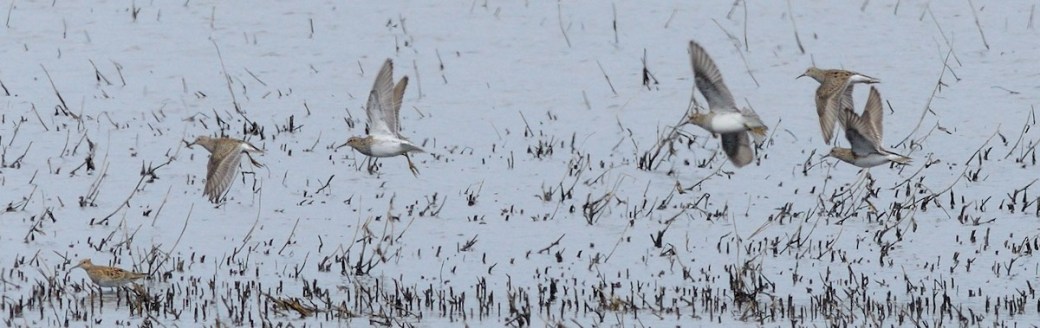
Pectoral Sandpiper, 200

PESA - WWL

Semipalmated Sandpiper, 1

Short-billed Dowitcher, 7

SBDO - WWL

Wilson’s Phalarope, 9

Spotted Sandpiper, 2

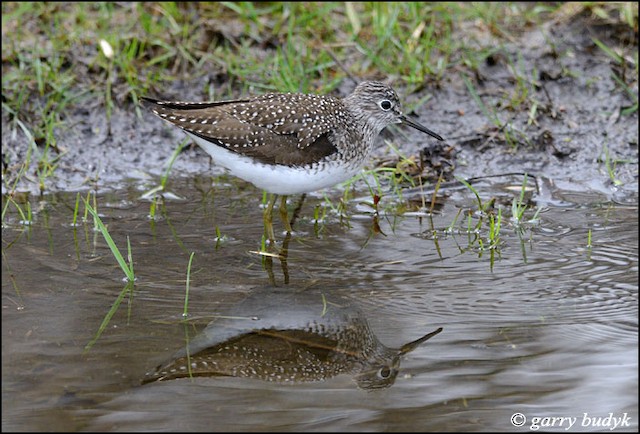
Solitary Sandpiper, 4

SOSA - WWL

Greater Yellowlegs, 4

Willet, 19

Lesser Yellowlegs, 28

Franklin’s Gull, 840

Ring-billed Gull, 4

Herring Gull, 1

Black Tern, 1

Forster’s Tern, 77

Mourning Dove, 16

American Kestrel, 1

Black-billed Magpie, 2

Common Raven, 1

Horned Lark, 5

Tree Swallow, 1

Bank Swallow, 1

Barn Swallow, 18

Cliff Swallow, 1

Ruby-crowned Kinglet, 2

American Robin, 14

European Starling, 1

American Pipit, 2

Orange-crowned Warbler, 2

Yellow-rumped Warbler, 2

Chipping Sparrow, 10

Clay-colored Sparrow, 26

Lark Sparrow, 1

Dark-eyed Junco, 1

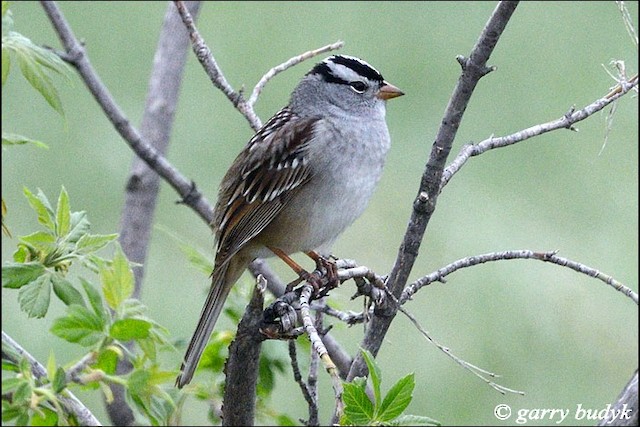
White-crowned Sparrow, 15

WCSP - WWL

Harris’s Sparrow, 43

White-throated Sparrow, 5

Vesper Sparrow, 6

Savannah Sparrow, 27

Song Sparrow, 10

Swamp Sparrow, 1

Red-winged Blackbird, 220

Western Meadowlark, 6

Yellow-headed Blackbird, 507

Brewer’s Blackbird, 33

Common Grackle, 68

Brown-headed Cowbird, 21

House Sparrow, 3

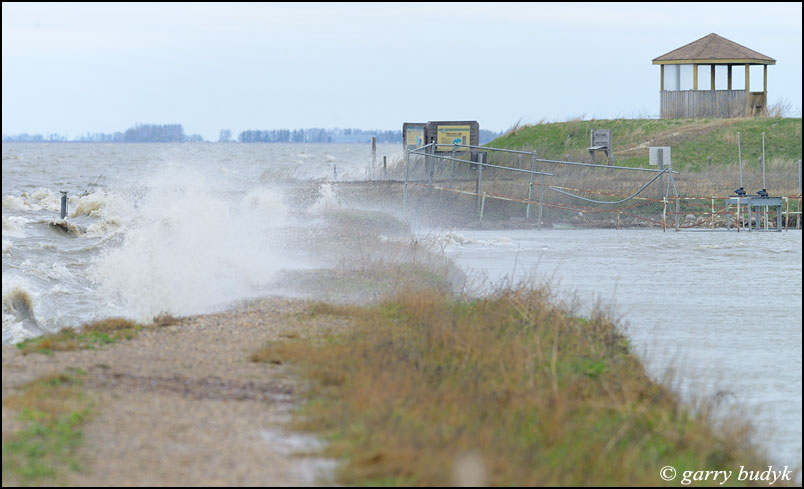
Finally, Garry sent a photo of the current status of the track leading to the viewing mound on the south of the lake. The high spring water levels and incredibly strong winds continue to cause erosion and have pretty much rendered access impossible now – be warned!
whitewater8265_webj.jpg

Garry Budyk and John Weier Monitoring List from North, West and East Shoal Lakes IBA

Since we are on the subject of posting peoples IBA monitoring reports and photos (see here, here and here), Garry Budyk and John Weier. The highlight for them was probably a Field Sparrow, an occasional visitor to Manitoba, but still a great find in the IBA. Unsurprisingly, they also found good numbers of waterbirds.

Here is the list from across the IBA illustrated by Garry’s fantastic photos:

Canada Goose (Branta canadensis) – 126
Gadwall (Anas strepera) – 31
American Wigeon (Anas americana) – 3
Mallard (Anas platyrhynchos) – 88
Blue-winged Teal (Anas discors) – 58
Northern Shoveler (Anas clypeata) – 26

NOSH W Shoal Lake
Northern Pintail (Anas acuta) – 4
Green-winged Teal (Anas crecca) – 16
Canvasback (Aythya valisineria) – 56
Redhead (Aythya americana) – 24
Ring-necked Duck (Aythya collaris) – 110
Lesser Scaup (Aythya affinis) – 31
Bufflehead (Bucephala albeola) – 10
Common Goldeneye (Bucephala clangula) – 4
Hooded Merganser (Lophodytes cucullatus) – 6
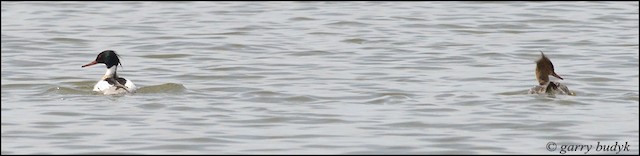
Common Merganser (Mergus merganser) – 10
Red-breasted Merganser (Mergus serrator) – 2

RBME N Shoal Lake
Ruddy Duck (Oxyura jamaicensis) – 9
Ruffed Grouse (Bonasa umbellus) – 2
Common Loon (Gavia immer) – 1
Pied-billed Grebe (Podilymbus podiceps) – 12
Red-necked Grebe (Podiceps grisegena) – 6
Western Grebe (Aechmophorus occidentalis) – 66
Double-crested Cormorant (Phalacrocorax auritus) – 180
American White Pelican (Pelecanus erythrorhynchos) – 213
American Bittern (Botaurus lentiginosus) – 1
Great Blue Heron (Ardea herodias) – 18
Great Egret (Ardea alba) – 10
Black-crowned Night-Heron (Nycticorax nycticorax) – 1

BCNH East Shoal Lake
Turkey Vulture (Cathartes aura) – 2
Northern Harrier (Circus cyaneus) – 6
Bald Eagle (Haliaeetus leucocephalus) – 7
Red-tailed Hawk (Buteo jamaicensis) – 1
American Coot (Fulica americana) – 44
Sandhill Crane (Antigone canadensis) – 8
Killdeer (Charadrius vociferus) – 16
Marbled Godwit (Limosa fedoa) – 4
Wilson’s Snipe (Gallinago delicata) – 22

WISN W Shoal Lake
Greater Yellowlegs (Tringa melanoleuca) – 7
Willet (Tringa semipalmata) – 4

Willet W Shoal Lake
Franklin’s Gull (Leucophaeus pipixcan) – 59
Ring-billed Gull (Larus delawarensis) – 35

RBGU W Shoal Lake
Caspian Tern (Hydroprogne caspia) – 1
Forster’s Tern (Sterna forsteri) – 3
Mourning Dove (Zenaida macroura) – 2
Yellow-bellied Sapsucker (Sphyrapicus varius) – 4
Downy Woodpecker (Picoides pubescens) – 2
Northern Flicker (Colaptes auratus) – 7
American Kestrel (Falco sparverius) – 6
Eastern Phoebe (Sayornis phoebe) – 1
Black-billed Magpie (Pica hudsonia) – 3
American Crow (Corvus brachyrhynchos) – 10
Common Raven (Corvus corax) – 25
Tree Swallow (Tachycineta bicolor) – 20

TRSW W Shoal Lake
Black-capped Chickadee (Poecile atricapillus) – 4
White-breasted Nuthatch (Sitta carolinensis) – 2
Marsh Wren (Cistothorus palustris) – 5
Hermit Thrush (Catharus guttatus) – 1
American Robin (Turdus migratorius) – 8
American Tree Sparrow (Spizelloides arborea) – 3
Field Sparrow (Spizella pusilla) – 1
Savannah Sparrow (Passerculus sandwichensis) – 19
Song Sparrow (Melospiza melodia) – 61
Swamp Sparrow (Melospiza georgiana) – 10
Red-winged Blackbird (Agelaius phoeniceus) – 188
Western Meadowlark (Sturnella neglecta) – 5
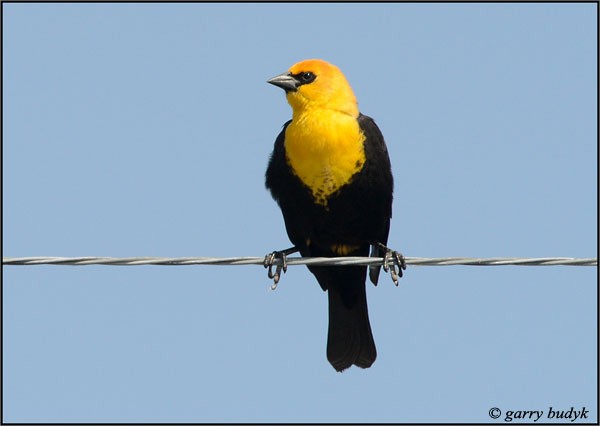
Yellow-headed Blackbird (Xanthocephalus xanthocephalus) – 35

YHBL N Shoal Lake
Common Grackle (Quiscalus quiscula) – 58

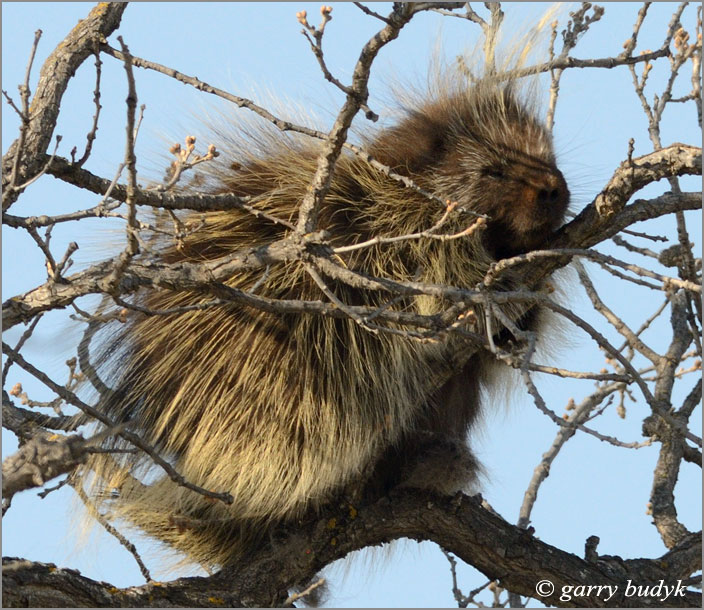
In addition, John and Garry picked up this porcupine:

porcupine8150_webj_Insta.jpg

Passing through a couple of days later along East Shoal Lake, I also managed to catch this beaver in a small ephemeral wetland:

P1020017.JPG

Beaver alongside East Shoal Lake. Copyright Tim Poole

Thanks to Garry for providing this information. We would be delighted to post others trip lists, stories and photos on the blog as well.

Mega Numbers of Waterfowl at the Saskatchewan River Delta IBA

Catching up on a few things here and one of them is some of the large numbers of birds being counted at the Saskatchewan River Delta IBA around The Pas. Local volunteer Joel Kayer has been counting birds in this IBA since 2015 and birding the area, whether as an Atlasser or merely for the fun of it, a lot longer. This year he submitted some terrific numbers which I thought would be worth sharing. Please note, the numbers listed are just the large numbers of birds, not all birds Joel encountered.

9th May 2017

3757 Canada Goose

23,285 Mallard

2570 Northern Pintail

827 Ring-billed Gull

Northern Pintail_2957.jpg

Northern Pintails are abundant in the Carrot Valley during spring migration. Photo copyright Christian Artuso

22nd April 2017

915 Canada Goose

912 Tundra Swan

11,599 Mallard

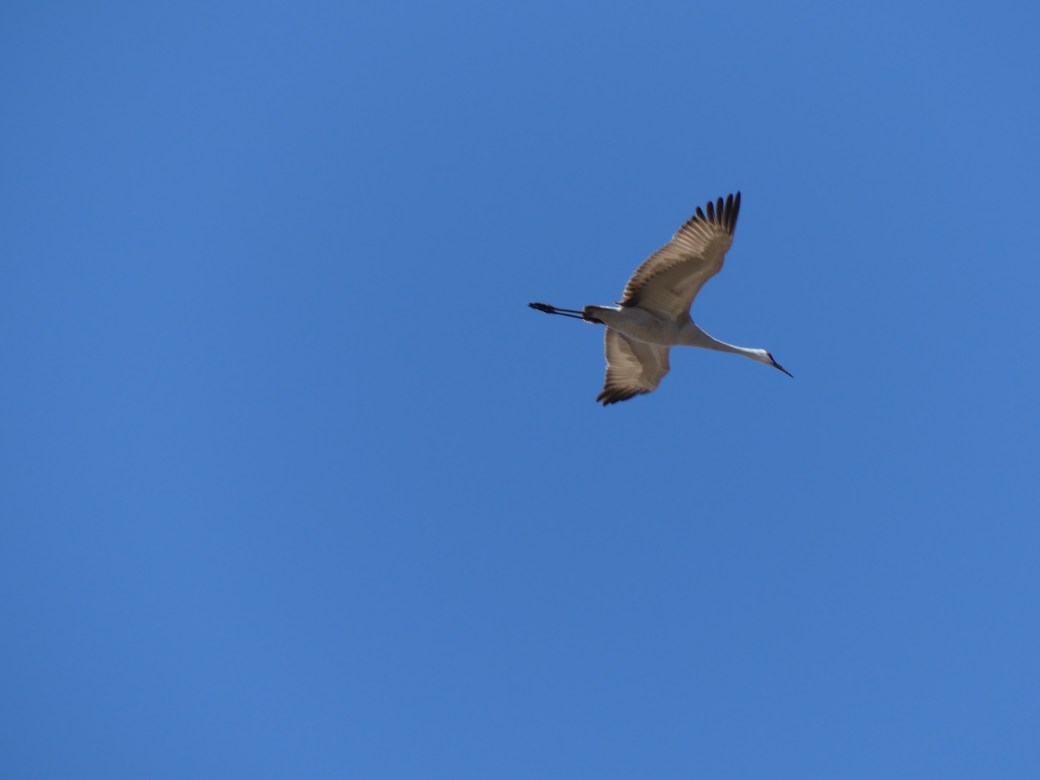
752 Sandhill Crane

1609 Ring-billed Gull

953 Snow Bunting

P1020001.JPG

Sandhill Crane in flight. Photo copyright Tim Poole

April 30th 2016 (Tundra Swan only survey)

9,216 Tundra Swan

tundra-swan_2361_flock-in-flight_artuso

Imagine seeing over 9,000 of these Tundra Swans in a single day on migration? Copyright Christian Artuso

The latter figure is certainly a significant concentration of this species not only in North America but globally. The area around The Pas is known for its incredible wetland habitats and large concentrations of migratory waterfowl. Thanks to Joel for highlighting this for all those of us living in southern Manitoba!

Some Images from Whitewater Lake IBA

Gillian Richards recently forwarded some images from spring at Whitewater Lake. On April 2nd Colin Blyth and Gillian counted 41,820 Snow Geese at the lake, a phenomenal number! We also have images of White-faced Ibis, Golden-crowned Kinglet, American Tree Sparrow, American Kestrel, Great Egret and Beavers. Thanks Gillian!

All photos copyright Gillian Richards

Nature Manitoba Trip to Delta Marsh IBA and West Shoal Lake IBA

Rudolf Koes led a Nature Manitoba trip to Delta Marsh and West Shoal Lake, both IBAs on Saturday April 22nd. Garry Budyk has kindly let us post the results and a few of his photos form the day. What is really interesting is how many more birds were present in the IBA due to the new boundaries. This is especially true of the PR227 dump, a hotspot for gull activity and now part of Delta Marsh IBA. Other checklists submitted within Delta Marsh IBA which were not previously in the boundary were at PR #411, St. Ambroise (hamlet), St. Marks, PR #227 and Oakland. Take a look below at the photos and the checklists submitted by Garry to eBird.

Also look out for photos of a funky hybrid gull and a couple of rare visitors to Manitoba in spring.

West Shoal Lake

GREG

Great Egret in full breeding regalia at West Shoal Lake taken by Garry Budyk

Species Name Apr 22
Canada Goose (Branta canadensis) 9
Trumpeter Swan (Cygnus buccinator) 3
Tundra Swan (Cygnus columbianus) 4
Gadwall (Anas strepera) 2
Mallard (Anas platyrhynchos) 14
Blue-winged Teal (Anas discors) 10
Northern Shoveler (Anas clypeata) 5
Green-winged Teal (Anas crecca) 12
Canvasback (Aythya valisineria) 46
Redhead (Aythya americana) 54
Ring-necked Duck (Aythya collaris) 35
Greater Scaup (Aythya marila) 3
Lesser Scaup (Aythya affinis) 65
Bufflehead (Bucephala albeola) 32
Common Goldeneye (Bucephala clangula) 12
Hooded Merganser (Lophodytes cucullatus) 30
Common Merganser (Mergus merganser) 8
Double-crested Cormorant (Phalacrocorax auritus) 10
American White Pelican (Pelecanus erythrorhynchos) 32
American Bittern (Botaurus lentiginosus) 1
Great Blue Heron (Ardea herodias) 5
Great Egret (Ardea alba) 2
Northern Harrier (Circus cyaneus) 3
Bald Eagle (Haliaeetus leucocephalus) 4
Rough-legged Hawk (Buteo lagopus) 1
Killdeer (Charadrius vociferus) 2
Greater Yellowlegs (Tringa melanoleuca) 5
Lesser Yellowlegs (Tringa flavipes) 1
Bonaparte’s Gull (Chroicocephalus philadelphia) 3
Ring-billed Gull (Larus delawarensis) 20
Herring Gull (Larus argentatus) 2
Belted Kingfisher (Megaceryle alcyon) 1
Northern Flicker (Colaptes auratus) 1
Merlin (Falco columbarius) 1
American Crow (Corvus brachyrhynchos) 1
Common Raven (Corvus corax) 5
Ruby-crowned Kinglet (Regulus calendula) 1
European Starling (Sturnus vulgaris) 1
Yellow-rumped Warbler (Setophaga coronata) 14
American Tree Sparrow (Spizelloides arborea) 1
Song Sparrow (Melospiza melodia) 3
Red-winged Blackbird (Agelaius phoeniceus) 180
Western Meadowlark (Sturnella neglecta) 5
Yellow-headed Blackbird (Xanthocephalus xanthocephalus) 1

Delta Marsh IBA

RLHA.jpg

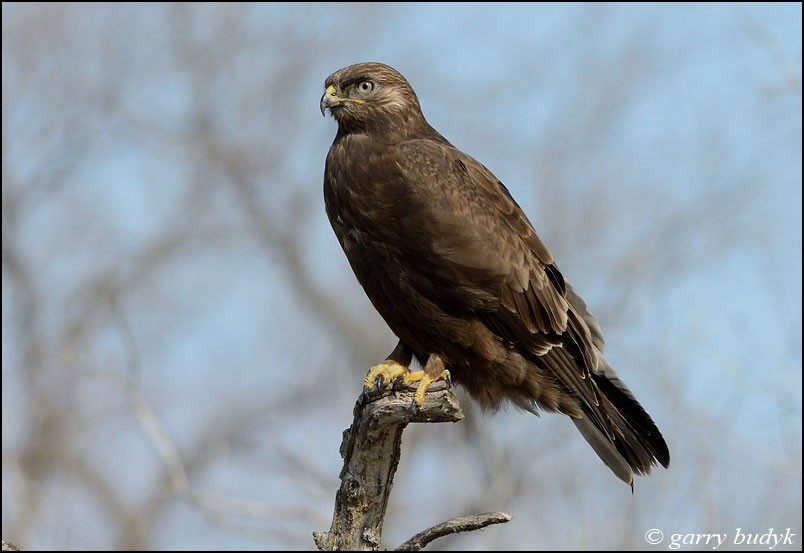
A beautiful immature dark morph Rough-legged Hawk taken by Garry Budyk

Species Name Apr 22
Canada Goose (Branta canadensis) 70
Gadwall (Anas strepera) 14
American Wigeon (Anas americana) 69
Mallard (Anas platyrhynchos) 113
Blue-winged Teal (Anas discors) 24
Northern Shoveler (Anas clypeata) 19
Northern Pintail (Anas acuta) 236
Green-winged Teal (Anas crecca) 160
Canvasback (Aythya valisineria) 10
Redhead (Aythya americana) 57
Lesser Scaup (Aythya affinis) 50
Common Goldeneye (Bucephala clangula) 12
Hooded Merganser (Lophodytes cucullatus) 8
Red-breasted Merganser (Mergus serrator) 1
Sharp-tailed Grouse (Tympanuchus phasianellus) 1
Pied-billed Grebe (Podilymbus podiceps) 1
Double-crested Cormorant (Phalacrocorax auritus) 885
American White Pelican (Pelecanus erythrorhynchos) 1
Northern Harrier (Circus cyaneus) 13
Bald Eagle (Haliaeetus leucocephalus) 6
Red-tailed Hawk (Buteo jamaicensis) 1
Rough-legged Hawk (Buteo lagopus) 9
American Coot (Fulica americana) 15
American Avocet (Recurvirostra americana) 1
Killdeer (Charadrius vociferus) 6
Marbled Godwit (Limosa fedoa) 3
Wilson’s Snipe (Gallinago delicata) 4
Greater Yellowlegs (Tringa melanoleuca) 22
Franklin’s Gull (Leucophaeus pipixcan) 183
Ring-billed Gull (Larus delawarensis) 2,002
Herring Gull (Larus argentatus) 527
Herring x Glaucous Gull (hybrid) (Larus argentatus x hyperboreus) 1
Rock Pigeon (Columba livia) 13
Mourning Dove (Zenaida macroura) 2
Belted Kingfisher (Megaceryle alcyon) 1
Yellow-bellied Sapsucker (Sphyrapicus varius) 2
Hairy Woodpecker (Picoides villosus) 1
Northern Flicker (Colaptes auratus) 14
American Kestrel (Falco sparverius) 7
Merlin (Falco columbarius) 1
Eastern Phoebe (Sayornis phoebe) 3
Blue Jay (Cyanocitta cristata) 1
Black-billed Magpie (Pica hudsonia) 1
American Crow (Corvus brachyrhynchos) 2
Common Raven (Corvus corax) 12
Ruby-crowned Kinglet (Regulus calendula) 1
Eastern Bluebird (Sialia sialis) 2
Townsend’s Solitaire (Myadestes townsendi) 1
Hermit Thrush (Catharus guttatus) 1
American Robin (Turdus migratorius) 38
Varied Thrush (Ixoreus naevius) 1
European Starling (Sturnus vulgaris) 43
Yellow-rumped Warbler (Setophaga coronata) 28
American Tree Sparrow (Spizelloides arborea) 5
Fox Sparrow (Passerella iliaca) 4
Dark-eyed Junco (Junco hyemalis) 8
Savannah Sparrow (Passerculus sandwichensis) 1
Song Sparrow (Melospiza melodia) 4
Red-winged Blackbird (Agelaius phoeniceus) 172
Western Meadowlark (Sturnella neglecta) 19
Yellow-headed Blackbird (Xanthocephalus xanthocephalus) 1
Brewer’s Blackbird (Euphagus cyanocephalus) 3
Common Grackle (Quiscalus quiscula) 43

Now for the rare and unusual records for the day. First the rarities. The first is a Varied Thrush. This is a species which breeds in dense conifer forest of the Pacific northwest but is an occasional winter visitor to Manitoba.

VATH.jpg

Female Varied Thrush spotted near Delta Beach. Taken by Garry Budyk

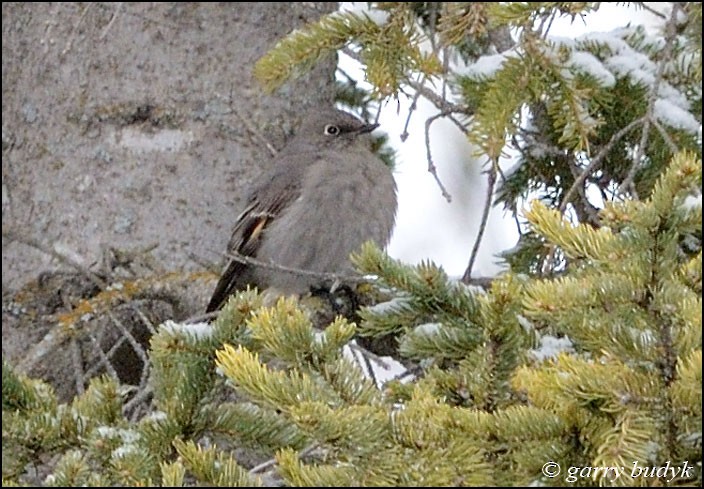
Another annual winter visitor to Manitoba is the Townsend’s Solitaire. This species also breeds in the conifer forests of the Pacific northwest.

TOSO

This Townsend’s Solitaire was spotted along PR411. Taken by Garry Budyk

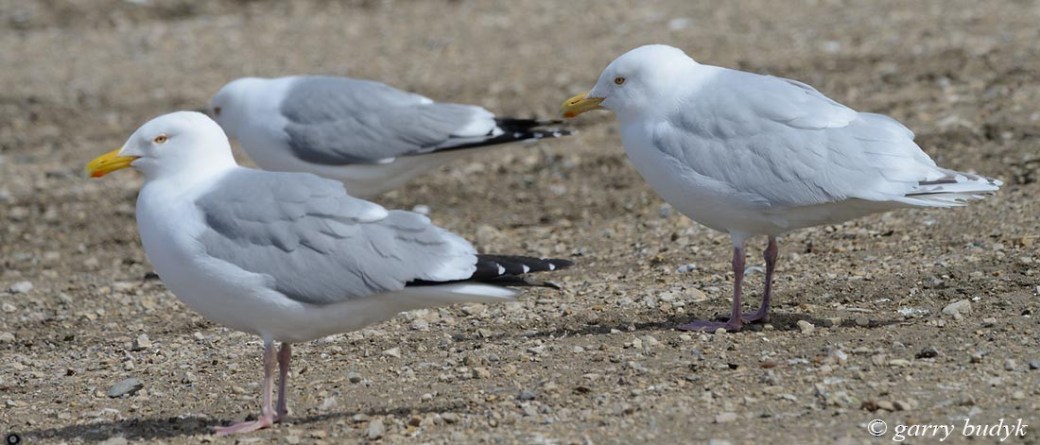
Finally, gulls are seemingly one of the most regular source of at least noticeable hybridisation in bird populations. On this occasion at the PR227 dump a hybrid Glaucous and Herring Gull, also known as a Nelson’s Gull. Due to the unusual plumage Rudolf sent Garry’s photo to gull expert Amar Ayyash who gave the following reponse:

“… keep in mind that most hybrid identifications usually involve a good deal of guessing (educated guessing). Birds like this, with very pale gray upperparts are always suspected of having Glaucous influence. What gray-backed hybrid combinations are “expected” with Glaucous? Herring or Glaucous-winged. The pale eye suggests another pale-eyed species is involved, and the yellowish eye-ring helps point to Herring. Notice the outer primaries have a diluted dark gray pattern (like Kumlien’s Gull), something we often see in Glaucous x Herrings.”

Hybrid gull

Compare the Herring Gull on the left with the hybrid Glaucous x Herring Gull on the right. Taken by Garry Budyk

Thanks Garry for the list and the photos!

New Boundaries for 4 of Manitoba’s IBAs

Over the past year we have been looking at revising a few of Manitoba’s IBA boundaries. Our purpose in this has been to:

  1. Ensure that all the areas which currently provide habitat for significant concentrations of birds are included in the IBA
  2. Redraw boundaries around the current extents of habitat in this high wet cycle that we are currently experiencing
  3. Try to make boundaries more logical and easy to follow

Four IBA boundaries have recently been changed and another group are in the process of being changed (we will inform volunteers of this when it happens). The four IBAs are:

MB001 – Delta Marsh

The boundary has been altered following advice from Dr Bob Jones, who was responsible for nominating Delta Marsh as an IBA in 1998. The new boundary follows much of his original map, using PR227 as the southern boundary and bringing Lake Francis into the IBA. The new boundary also included additional woodland scrub habitat, important for species such as Sharp-tailed Grouse and extends further west.

Please note that the old boundary is always on top of the new boundary in the example pictures presented below.

Slide1Slide2

MB008 – Nelson River Estuary and Marsh Point

Not one of the more accessible IBA’s but major changes have been made to this boundary due to new data being submitted showing extensive spring migration concentrations of Red Knot along the coast north and east of the estuary. Further large concentrations of Hudsonian Godwit during the Atlas sealed the deal for a new funky looking boundary. The presence of Arctic Tern colonies on islands south of the estuary have brought further areas into the IBA. Unfortunately in this case, the habitat map has yet to be changed on the website.

Slide3Slide4

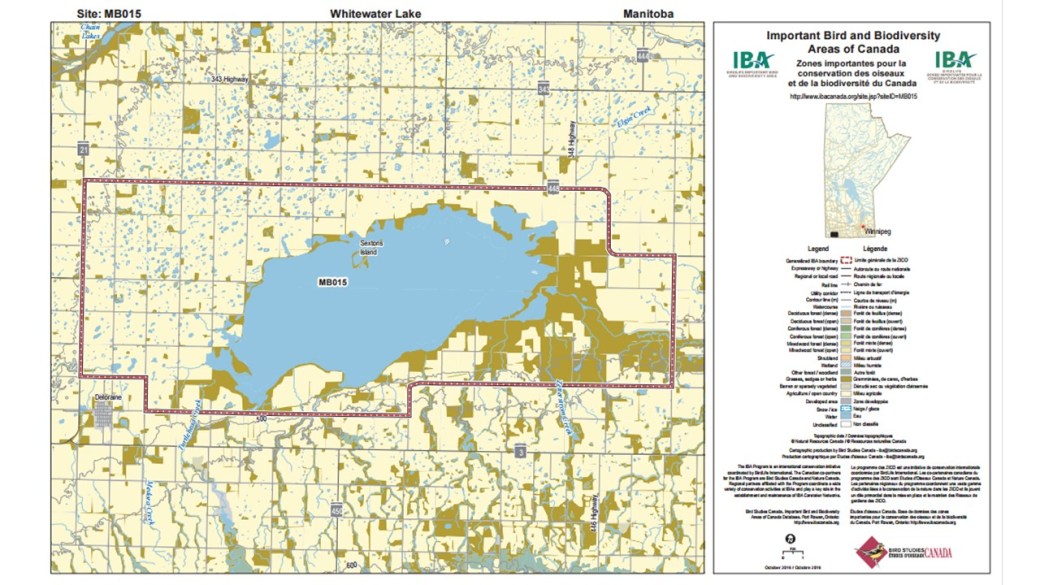
MB015 – Whitewater Lake IBA

To match large increases in lake size, the IBA boundary has been increased on all sides. We have also bought the boundaries out to road allowances and the railway to make it easier for anyone to know when they are inside the boundary or not. A large area of potholes to the northwest has been added as well as the grassland habitats on the southeast corner and some of the excellent shorebird habitats on the east. Thanks to Colin and Gillian for their advice on setting the new boundary.

Slide5Slide6

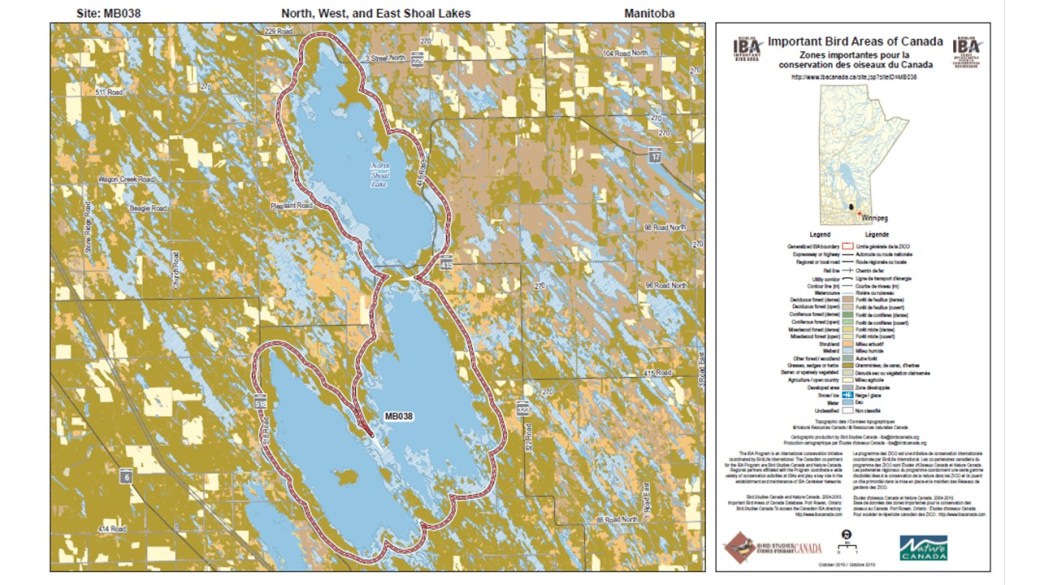
MB038 – North, West and East Shoal Lakes IBA

Changing this boundary has long been an ambition following the first visit I made to the Shoal Lakes IBA with Donna Martin. Donna quite rightly pointed out that it was very hard in places to know when she was in the IBA and there were areas of good habitat outside the IBA following flooding of this area. The new boundary hopefully addresses these points, by including all the areas between the lakes in the IBA, adding the lake and wetland complexes to the north and the southwest and the wetlands southwest of North Shoal Lake.

Slide7Slide8


New Initiatives Launched in Southwestern Manitoba

On March 2nd 2017, 4 new Environment Canada funded projects, of which the Manitoba IBA Program is a partner in 1, were launched at a media event hosted by the Manitoba Beef Producers and addressed by local MP Terry Duguid. The following is a copy of the press release from the Manitoba Beef Producers.

WINNIPEG  – As another example of the Manitoba’s beef industry’s commitment to environmental stewardship, Manitoba Beef Producers (MBP) is pleased to announce a project to promote habitat enhancement for species at risk in southwestern Manitoba.

With $750,000 in funding from Environment and Climate Change Canada’s Species at Risk Partnerships on Agricultural Lands (SARPAL) initiative, MBP is delivering voluntary, incentive-based habitat enhancement actions with beef producers in areas of southwestern Manitoba to protect important habitats. Working with beef producers in the area, MBP, while contracting experts at Manitoba Heritage Habitat Corporation (MHHC) will encourage producers to undertake practices that both enhance cattle production as well as habitats for specific species at risk. Sound grazing and feeding strategies are proving to be the best way to keep the land productive as well as maintain important grasslands for many species of prairie birds.

DSC00903.jpg

Brian Lemon, General Manager of the Manitoba Beef Producers introducing proceedings. Photo copyright Stephen Carlyle, Manitoba Habitat Heritage Corporation

“SARPAL projects help Manitoba livestock producers and farmers conserve and enhance grasslands that are home to many species at risk,” said The Honourable Catherine McKenna, Minister of Environment and Climate Change. “Through such collaborative efforts we are able to support sustainable ranching and farming practices that help protect wildlife and their habitats.  I look forward to continuing our work with the Manitoba Beef Producers, Manitoba Agriculture and local Conservation Districts on innovative solutions to conserve species at risk across Canada.”

terry-duguid

Local MP, Terry Duguid, attended and addressed the audience as representative of the Government of Canada. Photo copyright Chad Saxon, Manitoba Beef Producers

The MBP project is one of four taking place in Manitoba under SARPAL and will be delivered with the expertise of MHHC staff. The three SARPAL projects also underway are:

  • The Turtle Mountain Conservation District and Manitoba Sustainable Development are partnering on a burrowing owl project that focuses on the installation of artificial nests to research and raise awareness of burrowing owls.
  • The West Souris River Conservation District’s grassland birds project will center on mapping, surveying and implementing bird-specific Beneficial Management Practices (BMPs) for targeted species in southwestern Manitoba, including the Ferruginous hawk, Chestnut-collared longspur, Sprague’s pipit and Baird Sparrow.
  • Manitoba Agriculture is working to add a species at risk component to its existing Environmental Farm Plan Program process/booklet.

“The Government of Canada recognizes the importance of agricultural land and agricultural producers to the conservation of species at risk. Many Canadian producers steward their land in ways that benefit wildlife and we support their efforts that will directly help species at risk to survive and recover,” said Terry Duguid, Member of Parliament for Winnipeg South, Parliamentary Secretary to the Minister of Status of Women.

SARPAL funding supports projects that engage the agriculture sector in preserving key wildlife habitat. Working closely with stakeholders, Environment and Climate Change Canada is exploring a variety of approaches to working with Manitoba’s producers on voluntary agreements that result in effective protection of identified critical habitat for Species at Risk Act-listed species located on agricultural lands, while maintaining the land’s productive value.

“The commitment of Manitoba’s beef producers to being sound stewards of the land is well-documented,” said MBP President Ben E. Fox. “Properly managed pasture land is integral to our business as well as in supporting biodiversity and providing habitat for a range of wildlife, including species at risk. The funds provided by this program will allow producers in the southwest to take their stewardship efforts a step further and  implement measures that show how cattle production is part of the solution as we work to support and protect species at risk in that region.”

Christian Artuso.jpg

Dr Christian Artuso gave an impassioned speech on why grassland birds are dependent on the continuation of grazing and beef production in southwestern Manitoba. Copyright Chad Saxon, Manitoba Beef Producers

“The Manitoba Burrowing Owl Recovery Program is a non-profit organization that works directly with program partners, Turtle Mountain and West Souris River Conservation District, in southwestern Manitoba,” said Alexandra Froese, Turtle Mountain Conservation District Project Coordinator. “One of the program’s main focuses is to connect with landowners who have habitat suitable for burrowing owls. We work with select landowners to both maintain and improve habitat for returning Burrowing Owls which includes the installation of artificial nest burrows that protect nests from digging animals (predators). Our program runs solely on private and public funding and we are so thrilled to receive this tremendous support from SARPAL for three seasons.”

shane-robins

Shane Robins from the Manitoba Conservation District Association addressing the audience. Photo copyright Chad Saxon, Manitoba Beef Producers


“The board and staff of the West Souris River Conservation District are looking forward to hitting the ground running with this project,” said WRSCD Manager Dean Booker. “There has already been a lot of interest from landowners in the area.”

SARPAL is focused entirely on commercially-farmed lands containing individuals, residences, or critical habitat of Species at Risk Act-listed species, and has three main elements: agreements/contracts, BMPs, and funding for producers.

 -30-

 Manitoba Beef Producers is the exclusive voice of the beef industry in Manitoba. Our role and mission is to represent our beef producers through communication, research, advocacy and education. Manitoba Beef Producers represents 7,000 beef producers across the province. 

SARPAL group shot.jpg

L to R, Tim Sopuck (MHHC), Terry Duguid MP, Christian Artuso (BSC/IBA), Shane Robins (MCDA) and Brian Lemon (MB Beef Producer). Photo copyright Chad Saxon, Manitoba Beef Producers


These initiatives are timely and will involve a number of organisations collaborating across the landscape. We will be following up with more information in the coming weeks and months on our involvement. Thanks especially to the Manitoba Beef Producers for arranging and hosting the event today and for MP Terry Duguid for giving up his time to address us.

Latest Nature Manitoba News

Nature Manitoba published its February newsletter earlier this month and there are a couple of IBA-related articles.

The first is related to a new project following up on the Grassland Bird Conservation Initiative is part of a new partnership funded by Environment Canada and Climate Change to fund grassland bird conservation with beef producers. Take a look at the article including quotes from Christian Artuso here.

Ferruginous Hawk in cattle pasture 2.JPG

Ferruginous Hawks at home in a pasture with a cattle. Retaining these habitats is critical for conserving our grassland birds. Photo copyright Tim Poole

The second article refers to a new powerline in western Manitoba. The proposal from Manitoba Hydro is that the powerline would pass through an area of native prairie with globally significant numbers of grassland birds. Nature Manitoba have responded to the public consultation on this and you can read it on the their website, including reference to the IBA Program.

There is also a new feature for bird of the month which will include references to birds in IBAs over the course of the year. Keep your eyes open for this feature in the future but for now, enjoy the Great Gray Owl feature this month.