Habitat loss is one of the main threats impacting bird species at risk in Manitoba. Much of the remaining habitat for bird species at risk in Manitoba is found on private land, meaning that landowners play a key role as stewards of this habitat.
The Conservation Champions program is a voluntary stewardship program designed to recognize and encourage landowners who are excited about providing habitat for birds and using bird-friendly practices.
Grassland Birds – Under Threat
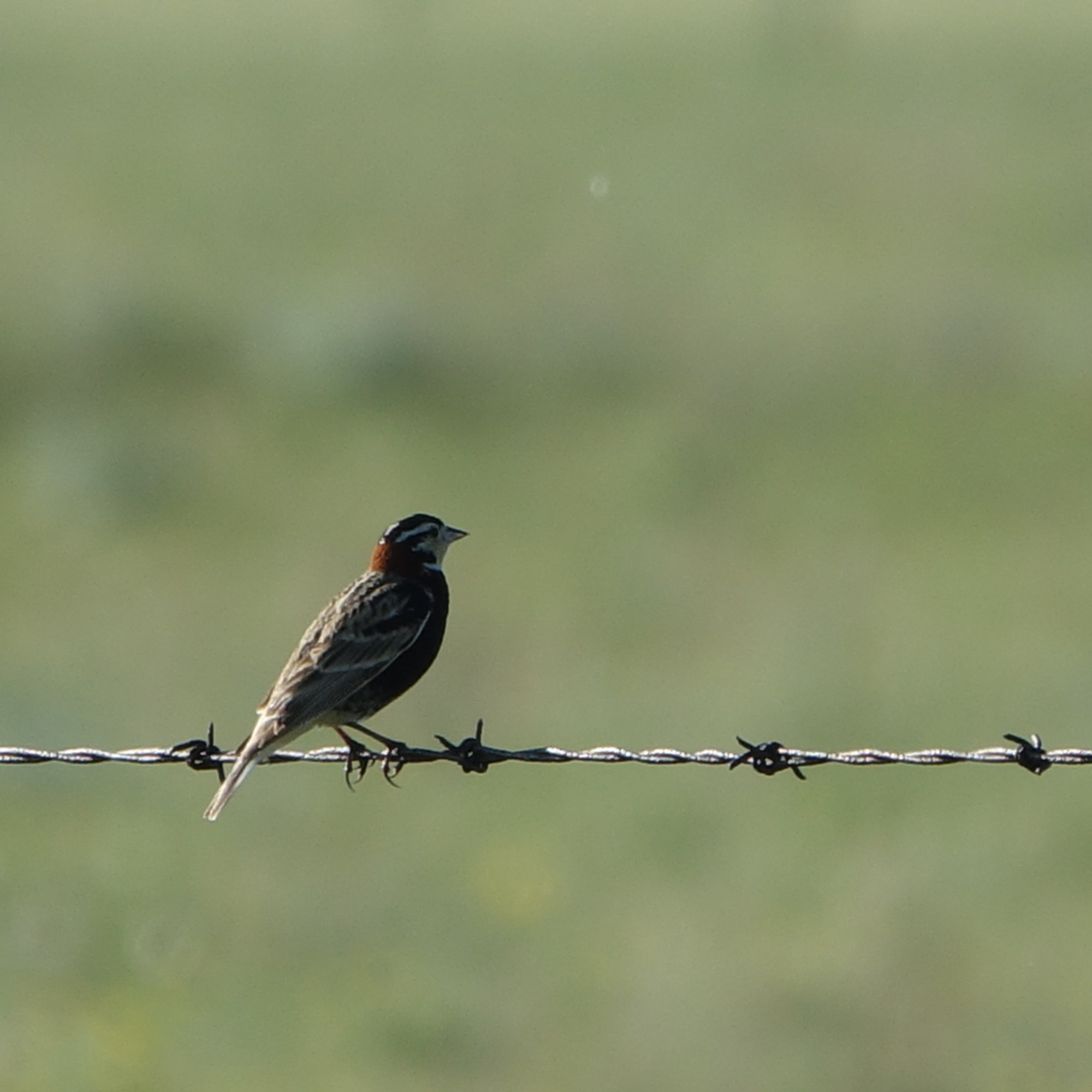
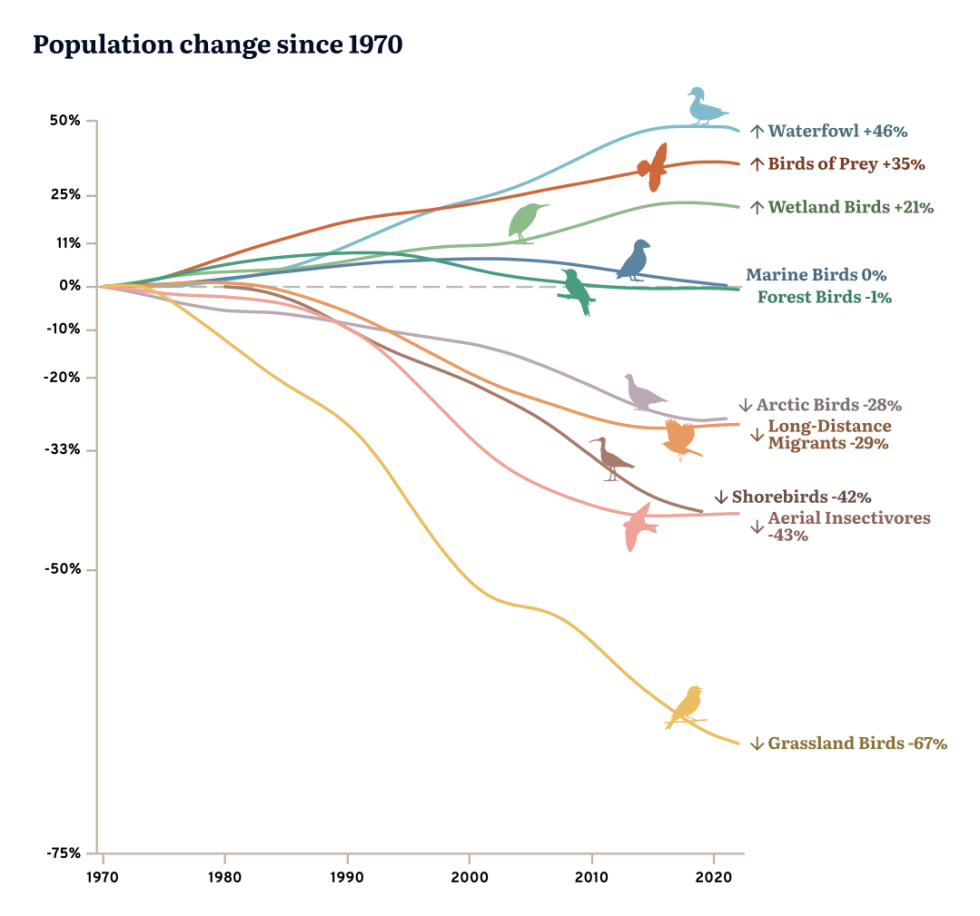
A new report released in 2024 by Birds Canada and Environment and Climate Change Canada estimates that we’ve lost 67% of grassland birds since 1970. Many individual species are showing even steeper declines. For example, the Chestnut-Collared Longspur has declined by over 90% since 1970.
Habitat loss is a major factor in this decline. Native grasslands have been disappearing rapidly and are considered one of the world’s most endangered ecosystems. Much of the remaining grassland habitat in Manitoba is found on privately owned land and is maintained by active grazing. Farms that use regenerative practices that support healthy, diverse ecosystems play a key role in the conservation of grassland birds.
What habitat do grassland birds need?
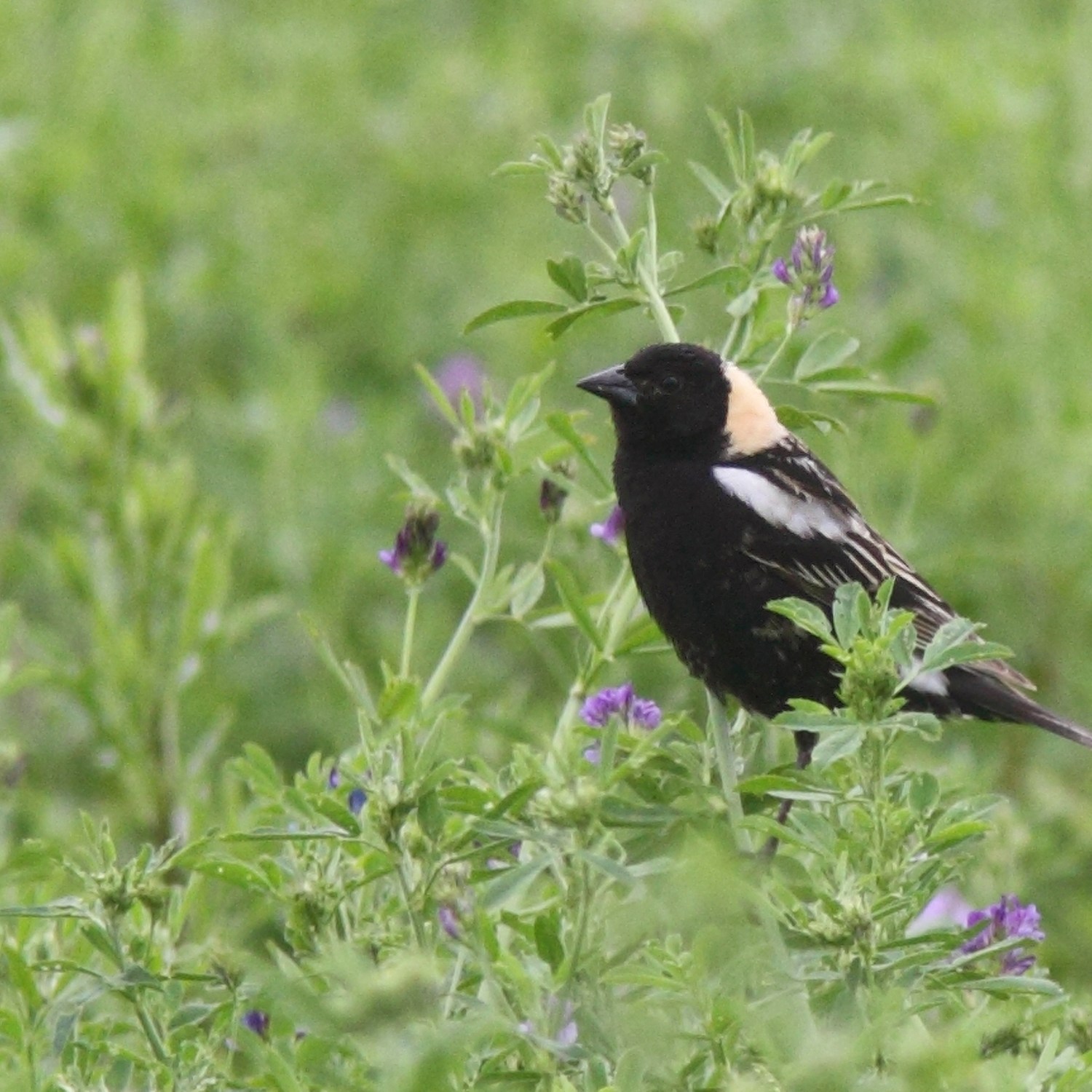
Not all grassland habitat is the same. Many birds have very specific habitat needs. For example, Chestnut-collared Longspurs and Burrowing Owls prefer short grass and are found in well-grazed pastures or recently burned areas. Baird’s Sparrows prefer areas with longer grass. Bobolinks are less picky and are often found in meadows and hayfields.
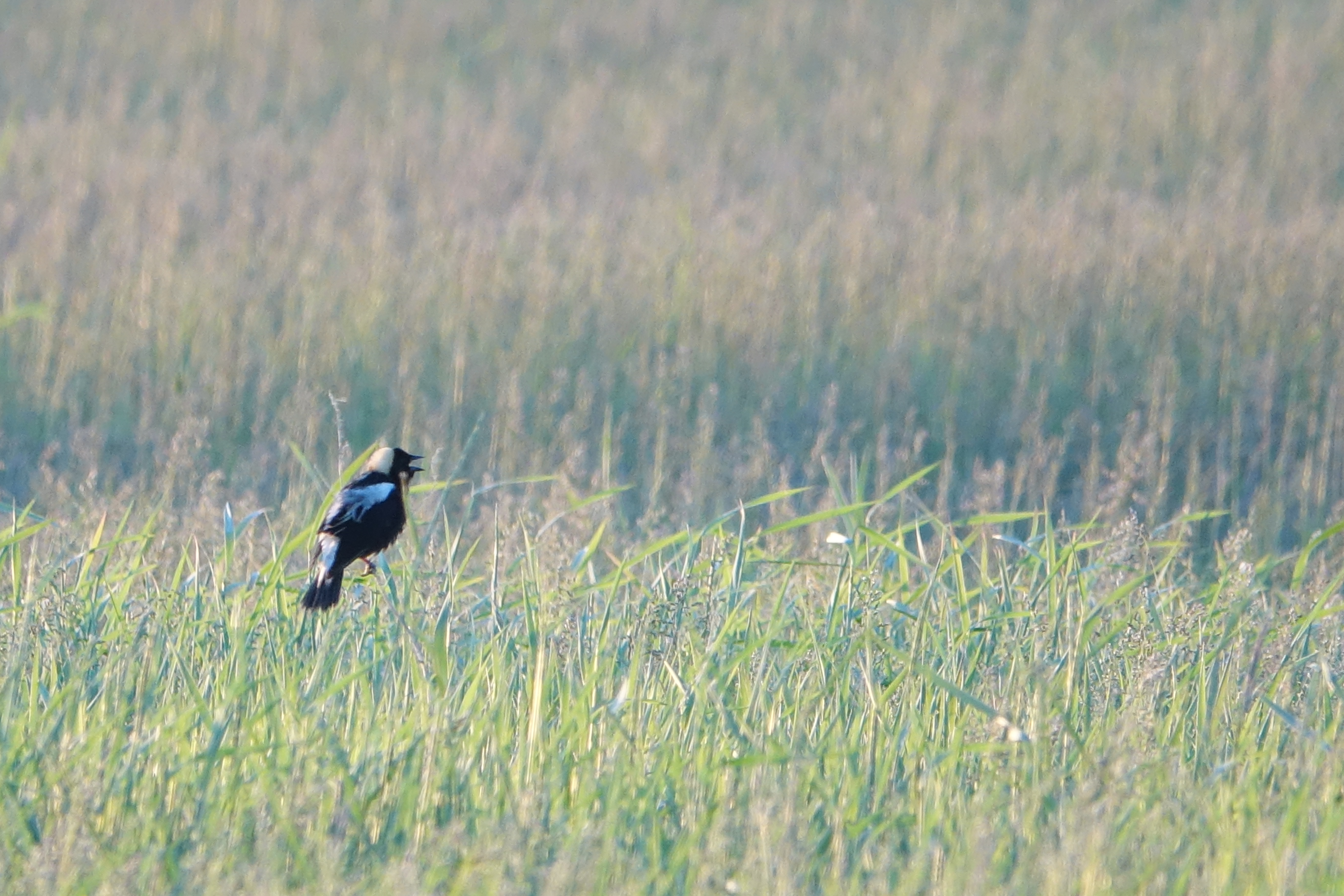
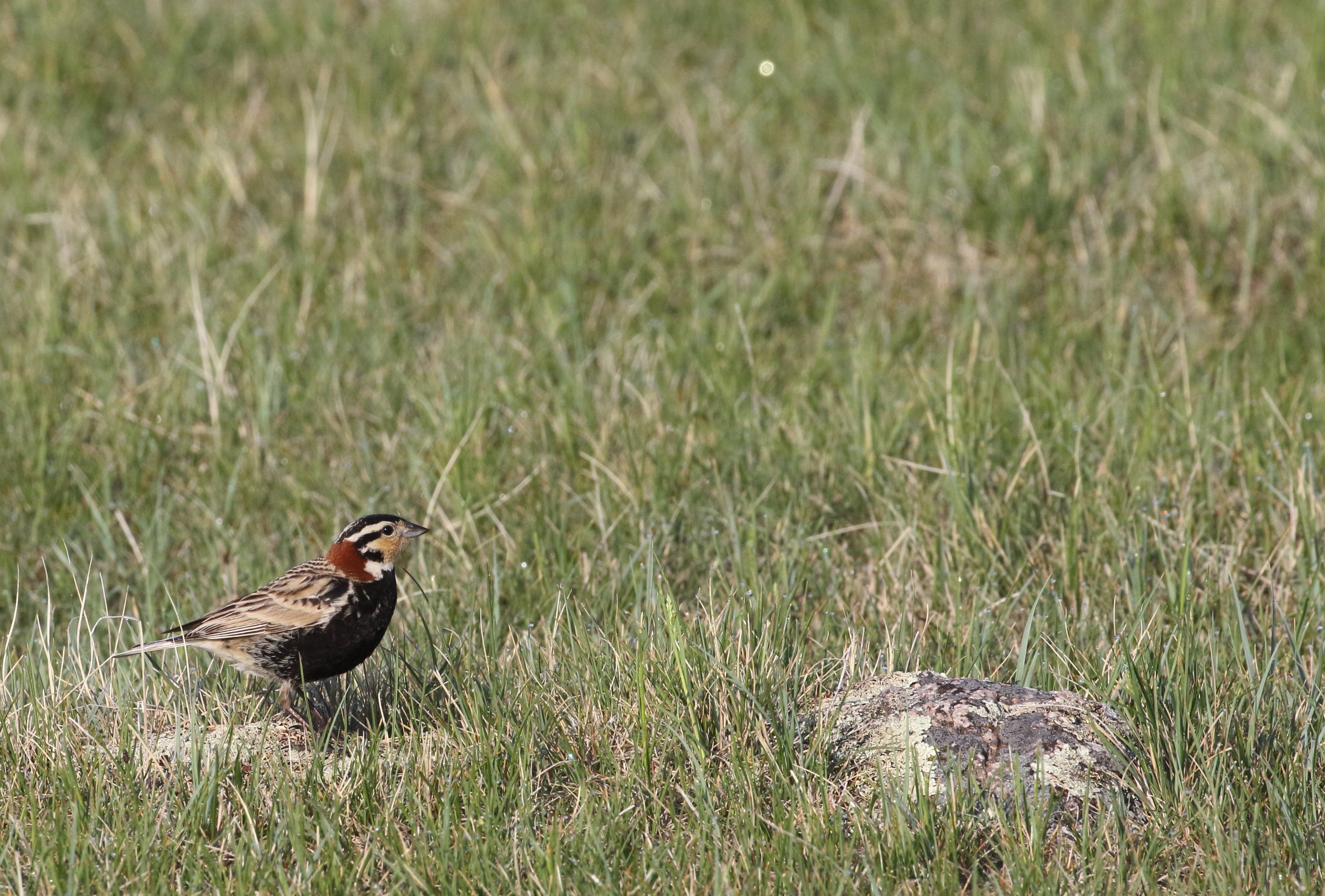
Different bird species need different habitats. That is why disturbance like fire and grazing are so important for grasslands. Fire and grazing lead to a variety of plant heights, which creates a patchwork of different homes for a wide range of grassland birds.
I am a landowner with grassland habitat. How can I get involved?
If you are a landowner with grassland habitat on your property, please consider becoming a Conservation Champion!
To sign up or if you have any questions, please email iba@naturemanitoba.ca.
Program details
- You sign a 5-year non-legally binding agreement to maintain or improve habitat for grassland birds.
- In return, you will be offered a gate sign, a bird survey and report, educational resources, and a spotlight article.
- Land with suitable habitat for grassland birds is eligible. If you’re not sure if your property qualifies, please reach out and we will help determine if your property has suitable habitat.
What do I get for participating?
- Recognition of your contribution with a free gate sign
- Optional bird survey with personalized report (completed in the first year)
- Optional spotlight article recognizing your contributions to bird conservation
- Access to resources on grassland birds
- Opportunity to discuss bird-friendly practices
- Joining a community of like-minded landowners
- Helping to maintain healthy ecosystems and bird populations

To be a part of the Conservation Champions program in 2025, please get in touch with us by May 23, 2025.
Note: This program has a limited number of participants each year to make sure we are able to deliver on our commitments (bird survey, spotlight article, etc). If the program reaches capacity, we will indicate on our website that sign-ups are paused until next year.
Bird-friendly practices
- Keep grasslands as grass: The most effective way of protecting habitat for grassland birds is to keep existing grasslands as grasslands. It’s much harder to re-create a grassland once it’s gone.
- Large patches: Many grassland birds are “area sensitive”, meaning that they prefer larger patches of grassland and will avoid smaller pastures. Square-shaped fields are a way of creating larger patches of habitat for grassland birds.

- Encourage diversity of plants and pollinators: Planting a variety of species will naturally create habitat for different bird species. For example, grassland seed mixes that contain 60-80% grasses and at least three species of varied height.
- Grazing practices: Active grazing plays a key role in maintaining grasslands. Using grazing practices that create a patchwork of short, medium, and tall grasses is a good way to create habitat for a diversity of grassland bird species.
- Watch for invasive species: Invasive plant species like Leafy Spurge and Purple Loosestrife can take over native plants and lower the quality of the habitat. Keeping an eye out for invasive species and taking quick action to limit their spread will help keep the landscape healthy.
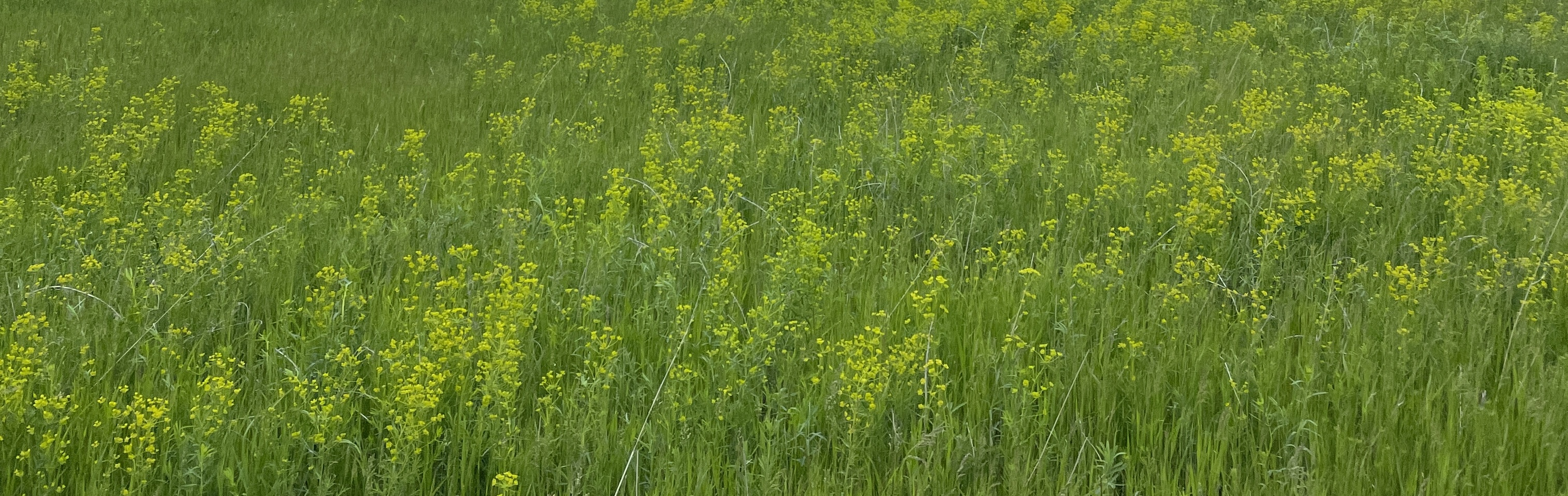
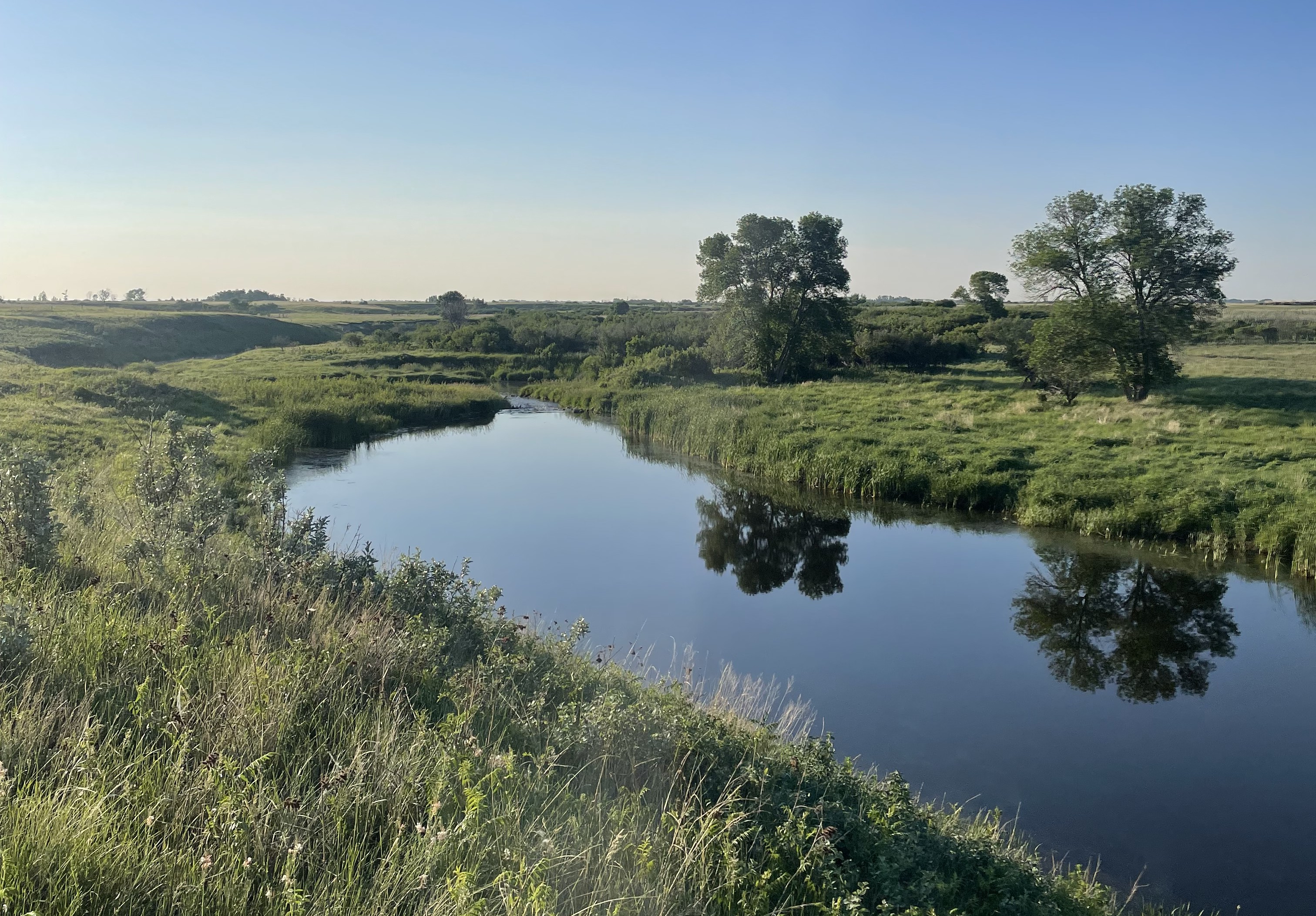
- Conserve wetland areas: Wet areas provide habitat and a source of food and water for birds.
- Shrub management: Shrubs can be a threat to grassland habitat. If left to grow, woody vegetation will slowly invade and take over grassland plant species, and the grassland will slowly start turning into a forest. Mowing shrubs (outside of the bird nesting season) or using prescribed burns can help protect grasslands.
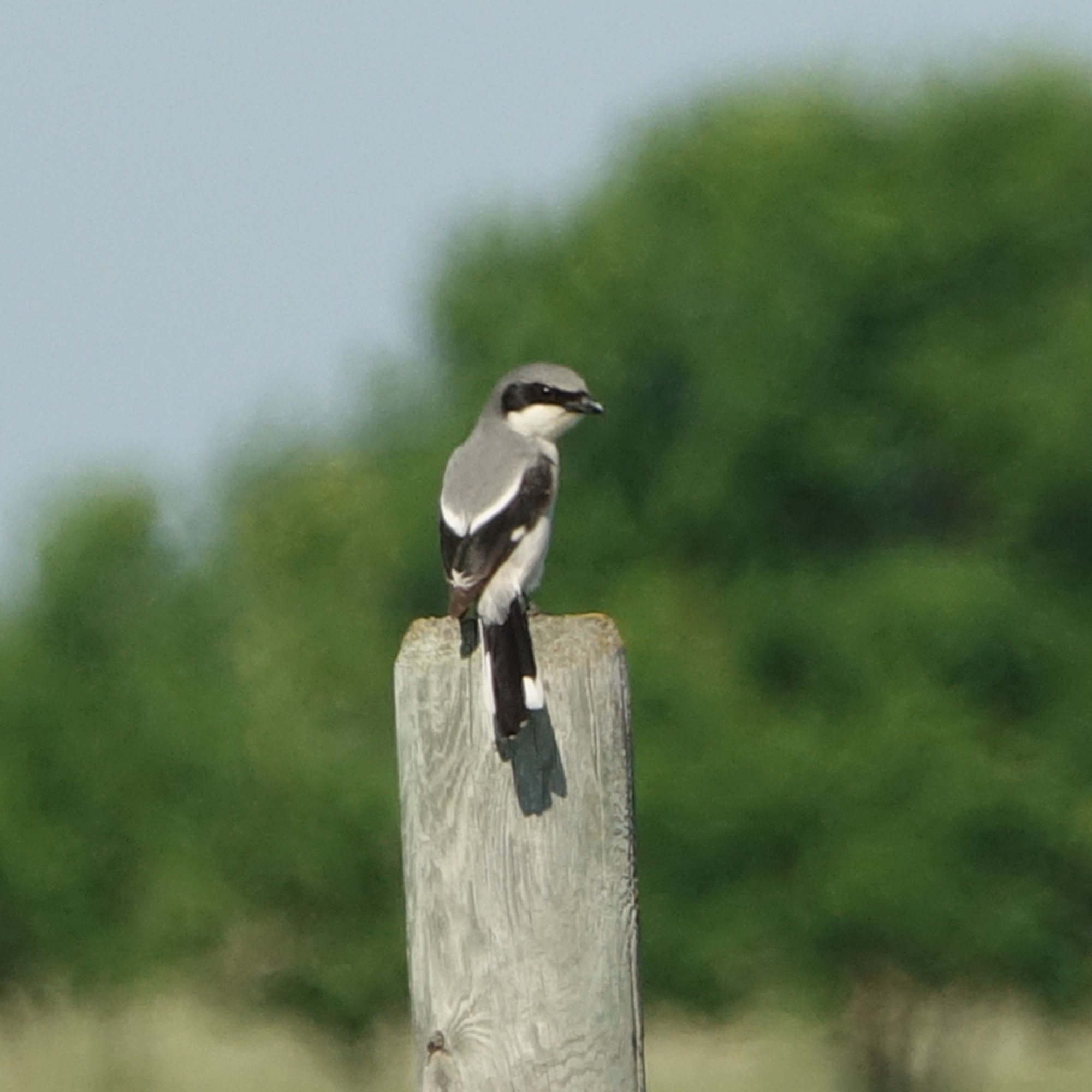
- Shelterbelts: While shrubs can pose a threat to grassland habitat when left unmanaged, having a few shrubs or trees in specific areas (e.g. shelterbelts) can provide important habitat for Loggerhead Shrikes.

- Bird-friendly haying techniques: You can reduce the risk of haying to ground-nesting birds by using flushing bars or mowing in an inside-out pattern. If you know where Bobolinks or other birds are nesting, haying that area last will give them more time to finish nesting.
- Protect riparian areas: Keeping livestock out of rivers and streams helps keep the water clean and limit erosion.
I don’t own property with grassland habitat but I want to help grassland birds. How can I get involved?
- Report sightings of grassland bird Species at Risk: Note the location, species, number of birds. Submit your observation by email to iba@naturemanitoba.ca or by filling out this form: Submit Your Grassland Bird Observations Here.
- Support local, bird-friendly farms: There are many local producers who are passionate about growing food in sustainable ways that support healthy grasslands and habitat for birds. By buying local, you also reduce your carbon footprint.
- Volunteer with Manitoba IBA: We are always looking for volunteers to join us for community bird counts, habitat stewardship events, and more! If you’re interested in getting involved, send us an email or check out our website.
Spotlight Species
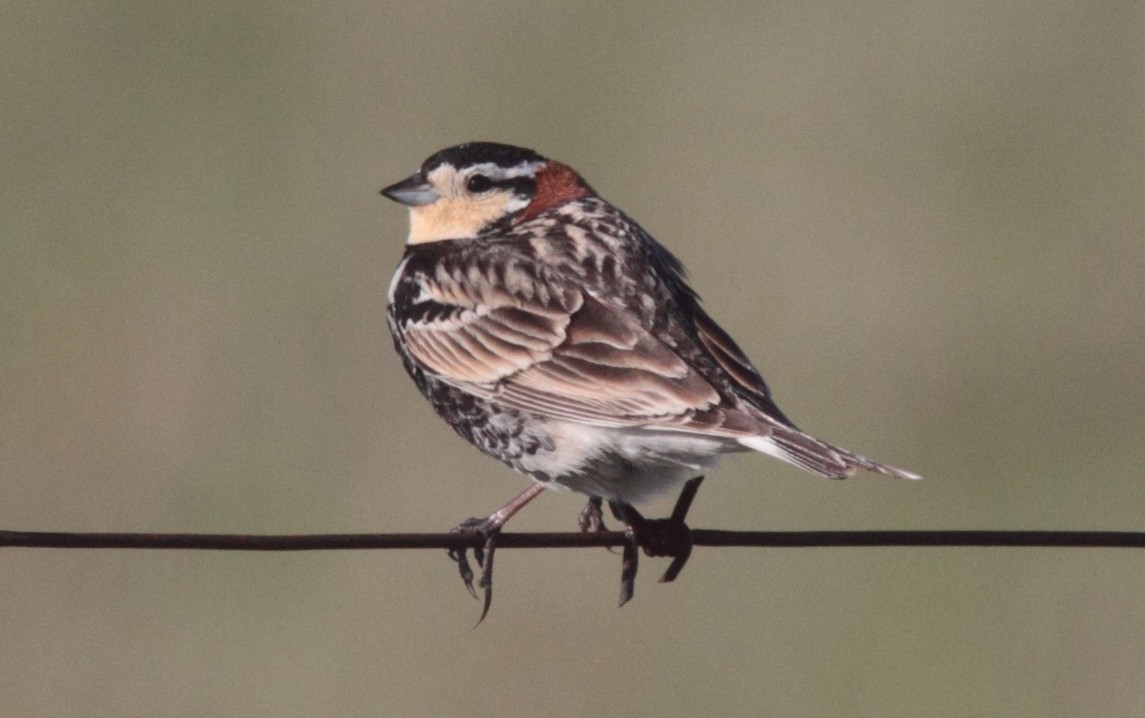
Photo: C. Artuso.
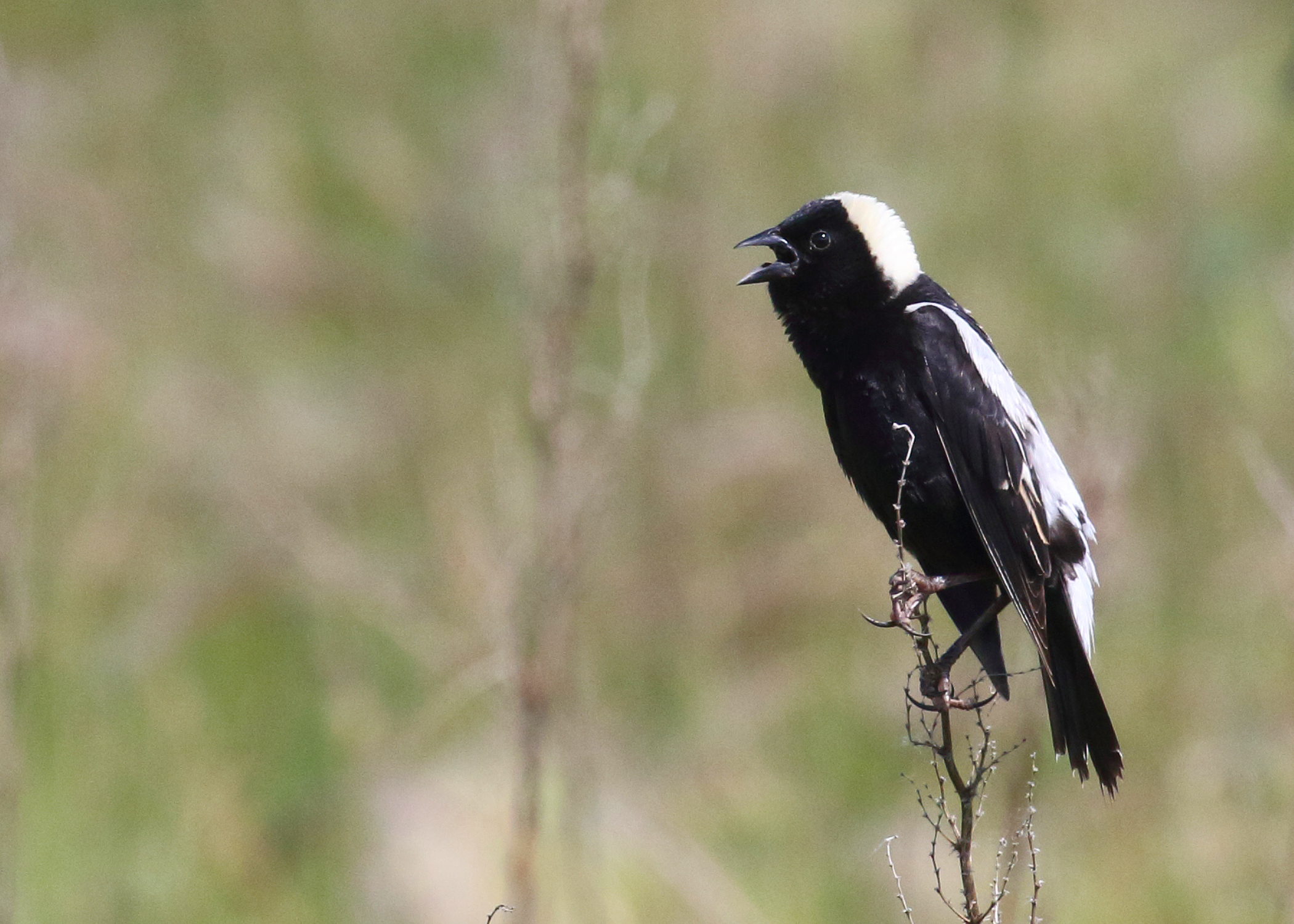
Photo: C. Artuso

Photo: C. Artuso.
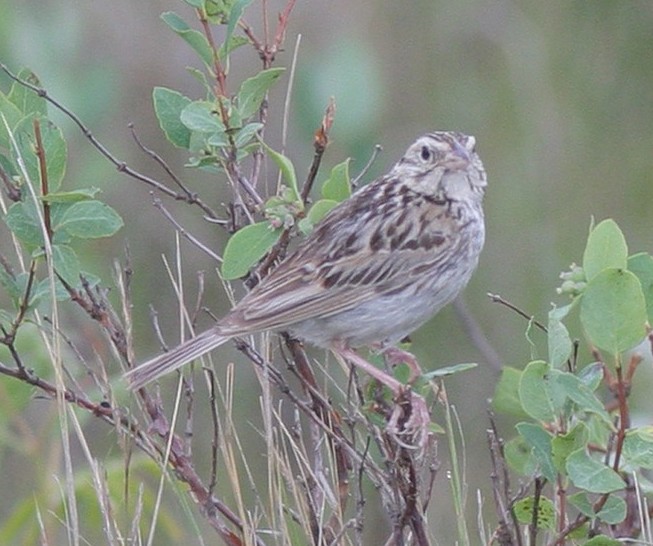
Photo: C. Artuso.
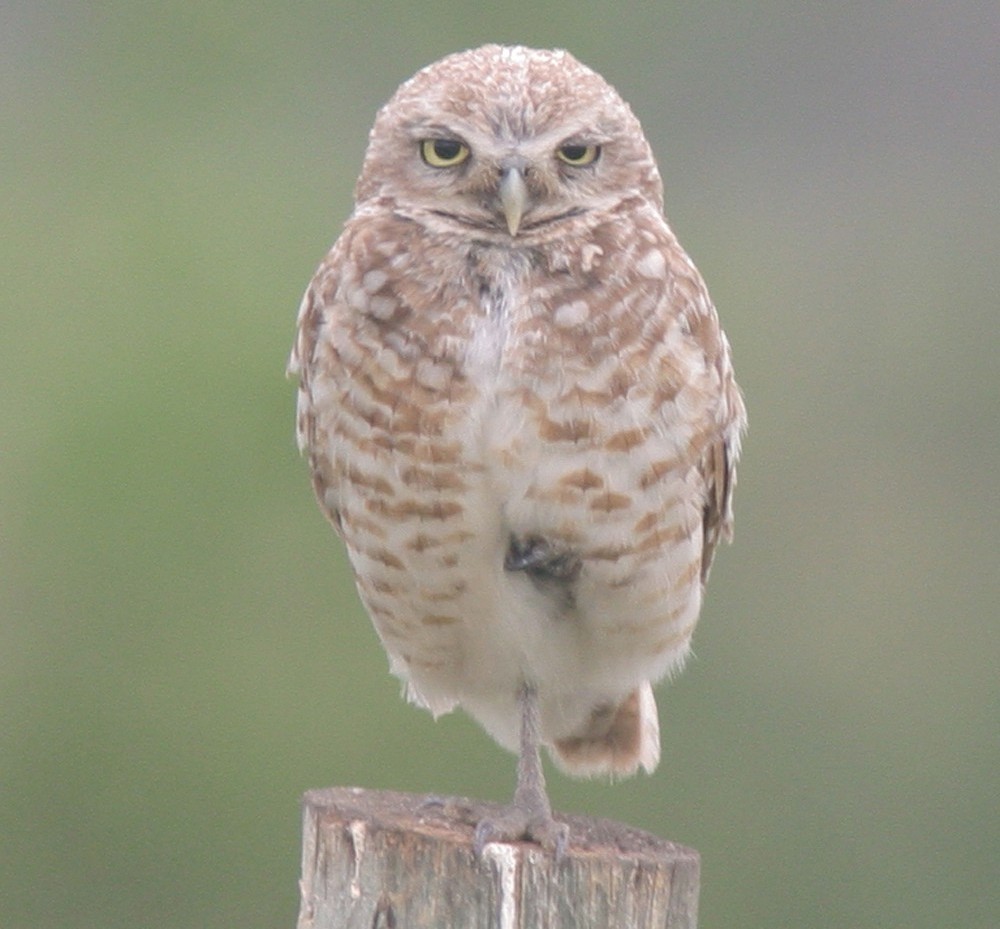
Photo: C. Artuso.
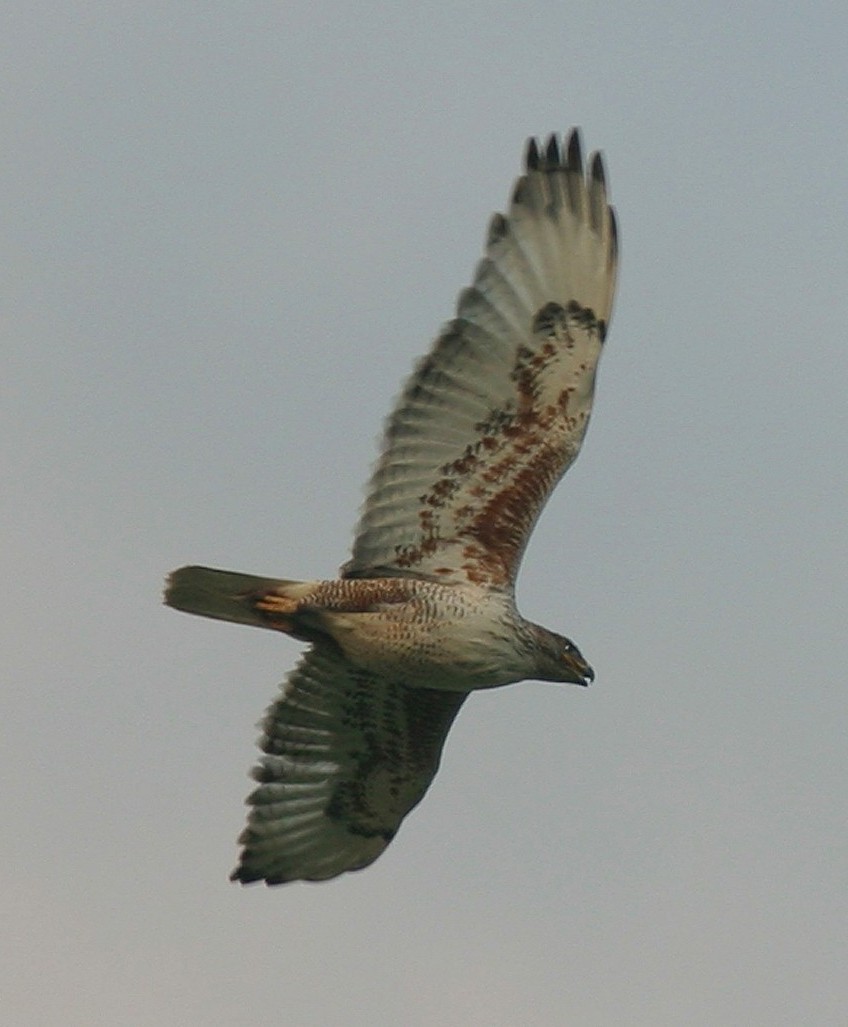
Photo: C. Artuso.

Photo: C. Artuso.

Photo: C. Artuso.

Photo: C. Artuso.
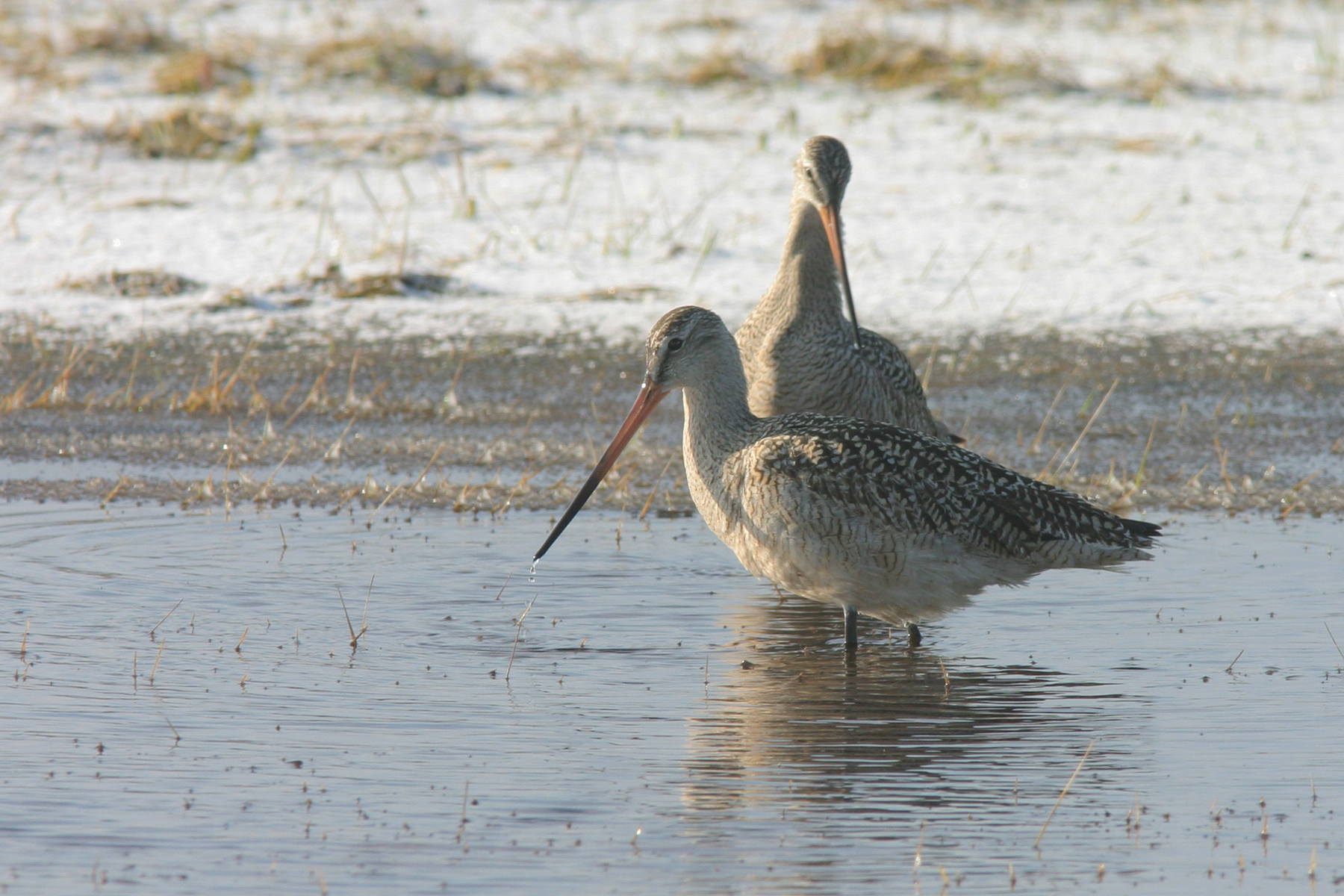
Photo: C. Artuso.
Have you seen one of our grassland bird spotlight species? Let us know here!
If you see one of our spotlight species, we’d love to hear about it! You can send us an email at iba@naturemanitoba.ca or submit your sightings using this form: Submit Your Grassland Bird Observations Here
Past Spotlight Species: Red-headed Woodpecker & Eastern Whip-poor-wills
Our current focus is on our new Grassland Bird Conservation Champions.
For information on our previous program which focused on Red-headed Woodpeckers and Eastern Whip-poor-wills, please click here: https://importantbirdareasmb.ca/conservation-champions-program/

Project Partners and Funders


Contact Info and More Information
For more information or to sign up for the program, contact Mackenzie, the Manitoba IBA Program Coordinator at iba@naturemanitoba.ca or 204-943-9029.
 Manitoba Important Bird Areas Program