Manitoba is home to many different bird Species at Risk. Species at Risk have populations that are declining and are threatened by a combination of factors, and often one of these factors is habitat loss. Research and conservation measures are needed for these species to begin to thrive once again.
What is the Conservation Champions Program?
Living and working on the land is essential to many people, and we know that much of the habitat for bird Species at Risk occurs on working landscapes stewarded by landowners. The Conservation Champions program is a voluntary stewardship program designed to raise awareness of the presence of Species at Risk on working landscapes, and to reward landowners who protect habitat for Species at Risk.
We also undertake roadside surveys to track populations of Species at Risk through citizen science monitoring, as well as providing outreach to landowners, community groups and schools in areas where our Spotlight Species occur. We work in and around Important Bird Areas in Manitoba.

How Does the Program Work?
- Land with suitable habitat for our spotlight species is eligible. If you are unsure about the species or habitat on your land, we would be interested in hearing from you.
- No land use or management changes are necessary. If you already have these species and habitat on your property, you are doing a good job!
- Program participants sign a 5-year non-binding agreement to maintain or improve their habitat management.
- No minimum habitat size is required.
Benefits to Landowners
- Recognition of your commitment with a free gate sign.
- Optional free bird survey by a program ornithologist with a personalized bird report.
- Optional recommendations to improve habitat for Species at Risk.
- Joining a community of like-minded landowners.
- Helping to maintain healthy ecosystems and bird populations on working landscapes.
Spotlight Species – Red-headed Woodpecker
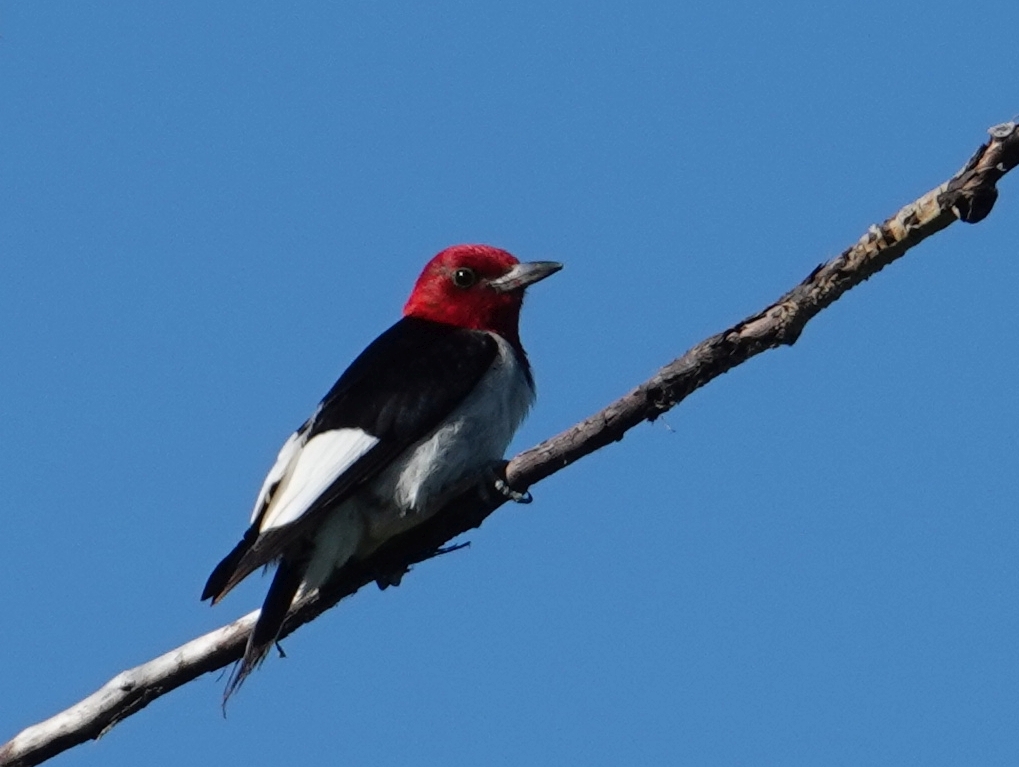
The charismatic Red-headed Woodpecker certainly turns heads! Unfortunately this beautiful bird has declined by more than 2% a year from 1966 to 2014, with a cumulative decline of 70% of its population according to the North American Breeding Bird Survey.
The Red-headed Woodpecker can be identified by its entirely ruby-red head, and black and white back and wings. They are territorial with a “t-churrr” call that can be repeated with frequency.

The Red-headed Woodpecker nests in standing dead trees (usually aspens) in heavily grazed woodlots or pastureland with little understory or shrub cover.
Red-headed Woodpecker Fact Sheet
Fiche d’information sur le pic à tête rouge
Spotlight Species – Eastern Whip-poor-will
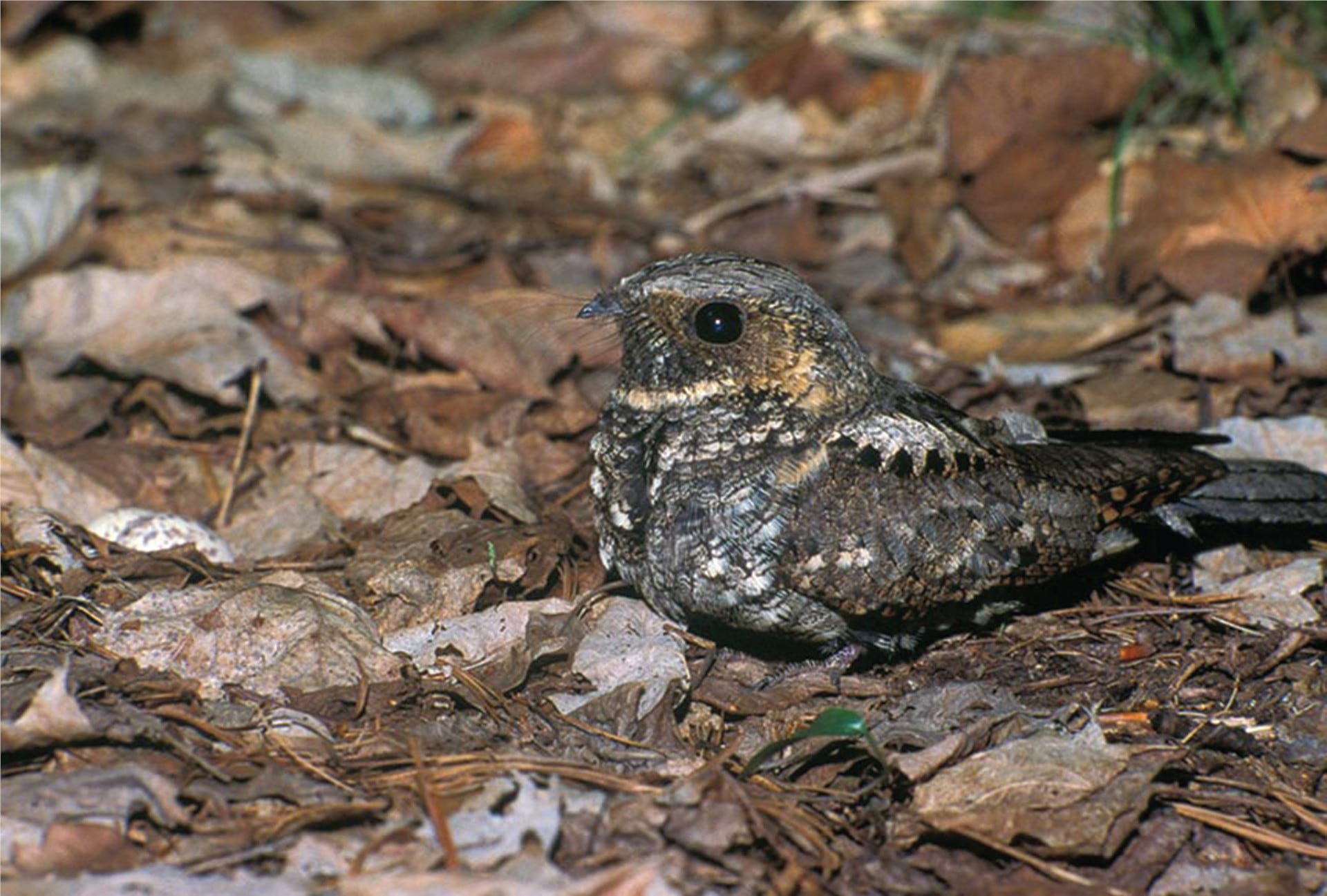
The Eastern Whip-poor-will is a mysterious but well-known bird, that many people have heard but not many people have seen. While they are roosting during the day, Eastern Whip-poor-will are difficult to see, as their grey-brown patterned plumage camouflages them with tree bark and leaf litter. They are much easily to identify during the night when you hear their distinct “whip-poor-will” song.
Eastern Whip-poor-wills are most active at dawn and dusk, and moonlit nights as they venture out to catch their fill of insect prey. This nocturnal bird has declined by almost 3% a year between 1966 and 2015, a cumulative decline of almost 75% during that time according to the North American Breeding Bird Survey.

Eastern Whip-poor-will habitat includes nesting areas of semi-open or patchy forests with clearings. They prefer areas with little underbrush or understory vegetation. They use nearby shrubby pastureland or wetlands to feed.
Eastern Whip-poor-will Fact Sheet
Fiche d’information sur l’engoulevent bois-pourri
Submit your Red-headed Woodpecker/Eastern Whip-poor-will observations!
If you see one of these birds, we’d love to hear about it! You can submit your sightings using this form: https://docs.google.com/forms/d/e/1FAIpQLSemmrdXHNbn-dJzQXSBs8RcofeYnRD4V2shTSqiC6qnWFUUrw/viewform?usp=sf_link
Funders


Contact and More Information
For more information, or to sign up for the program, contact Marissa, the Manitoba IBA Program Coordinator at iba@naturemanitoba.ca or 204-943-9029.
 Manitoba Important Bird Areas Program