Community Grassland Bird Walk

Over the weekend, Amanda and I traveled to the southwest to visit the Southwestern Mixed Grass Prairie IBA. While there, we held two events, a bird walk through the Gerald W. Malaher Wildlife Management Area, and an early morning grassland bird blitz the next day. It was a scorcher in the Banana Belt that weekend but we still managed to see some really interesting birds, many of which can only be found in that part of the province!

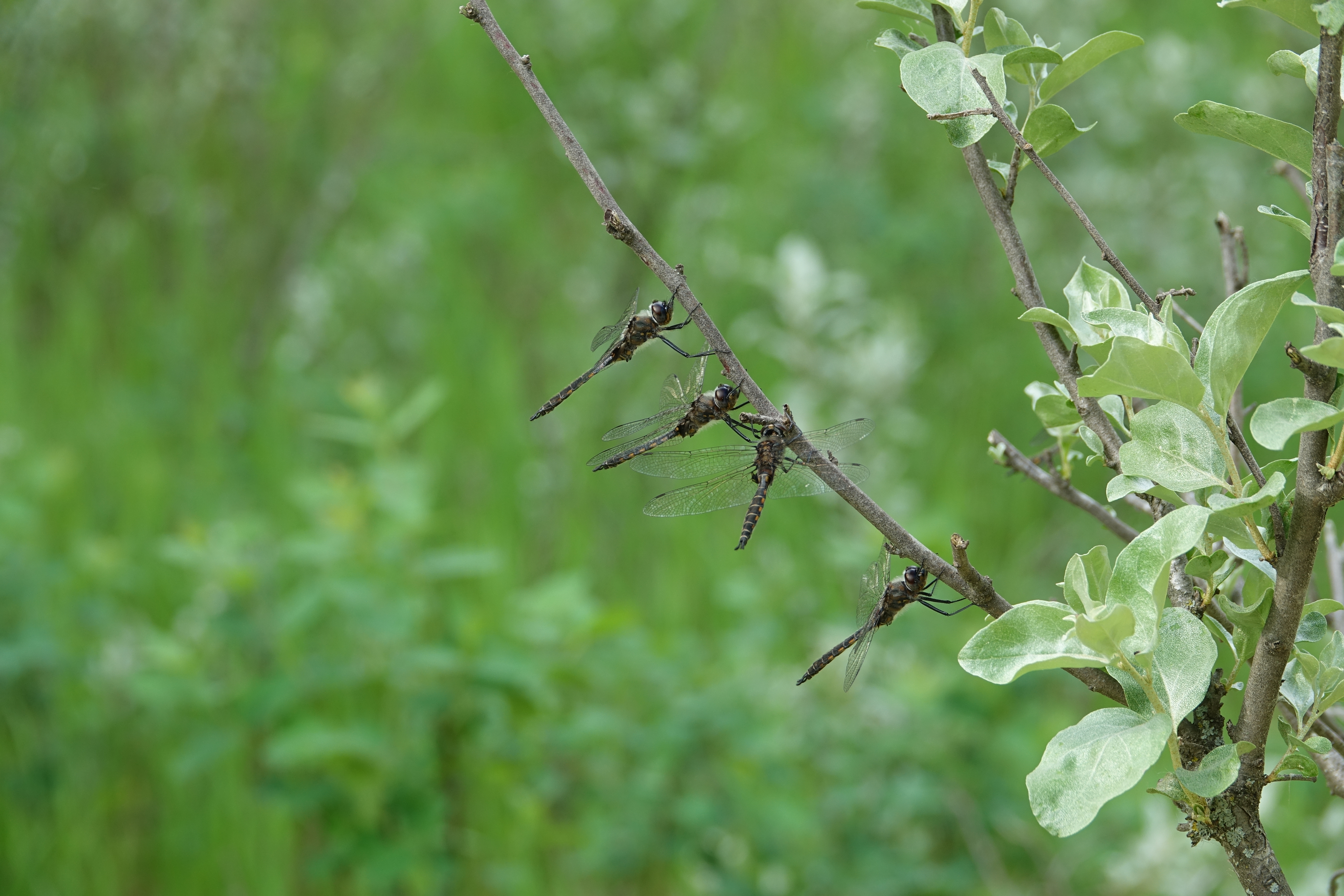
Dragonflies. Photo by Ariel Desrochers.

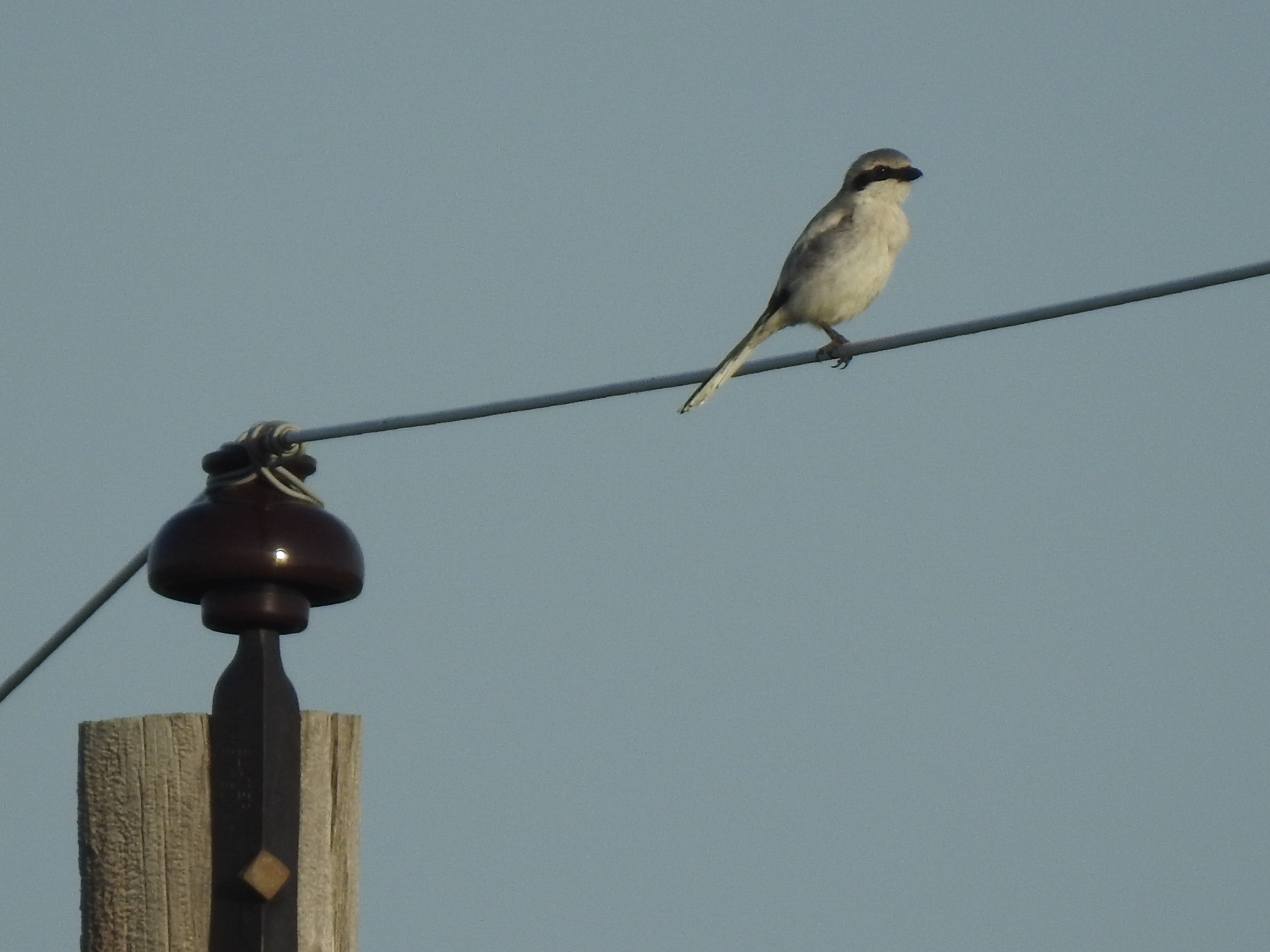
The weekend began for us with the long drive down on Friday from Winnipeg to Melita. We spent the afternoon scoping out the Gerald W. Malaher Wildlife Management Area (WMA), the site of our bird walk the next day, while discussing birds we might see that weekend. We were particularly interested in the grassland birds. We were excited to hear a Loggerhead Shrike, but did not see it. We retired for the evening to a local farmhouse with a ton of character, exhausted from the drive.

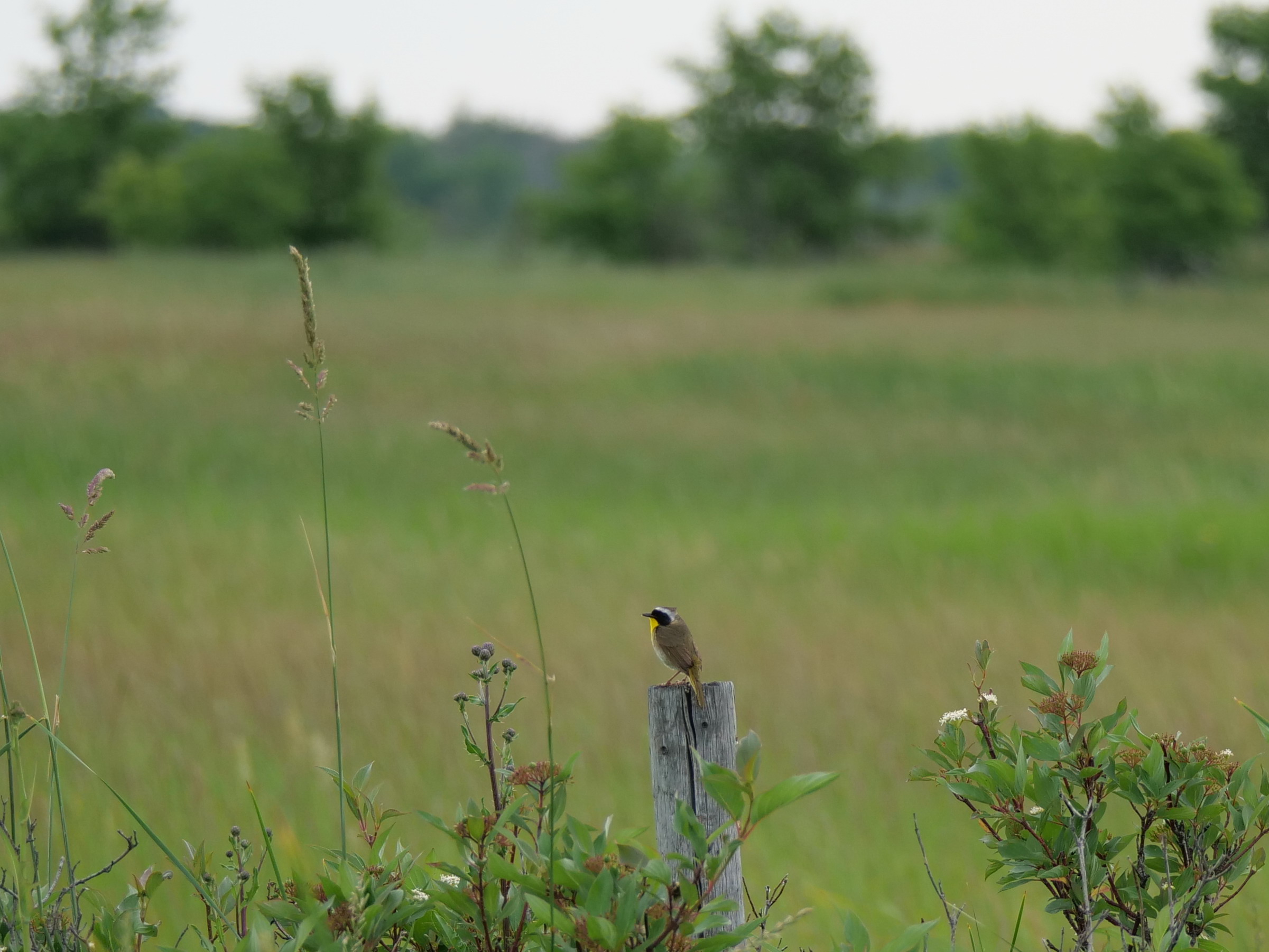
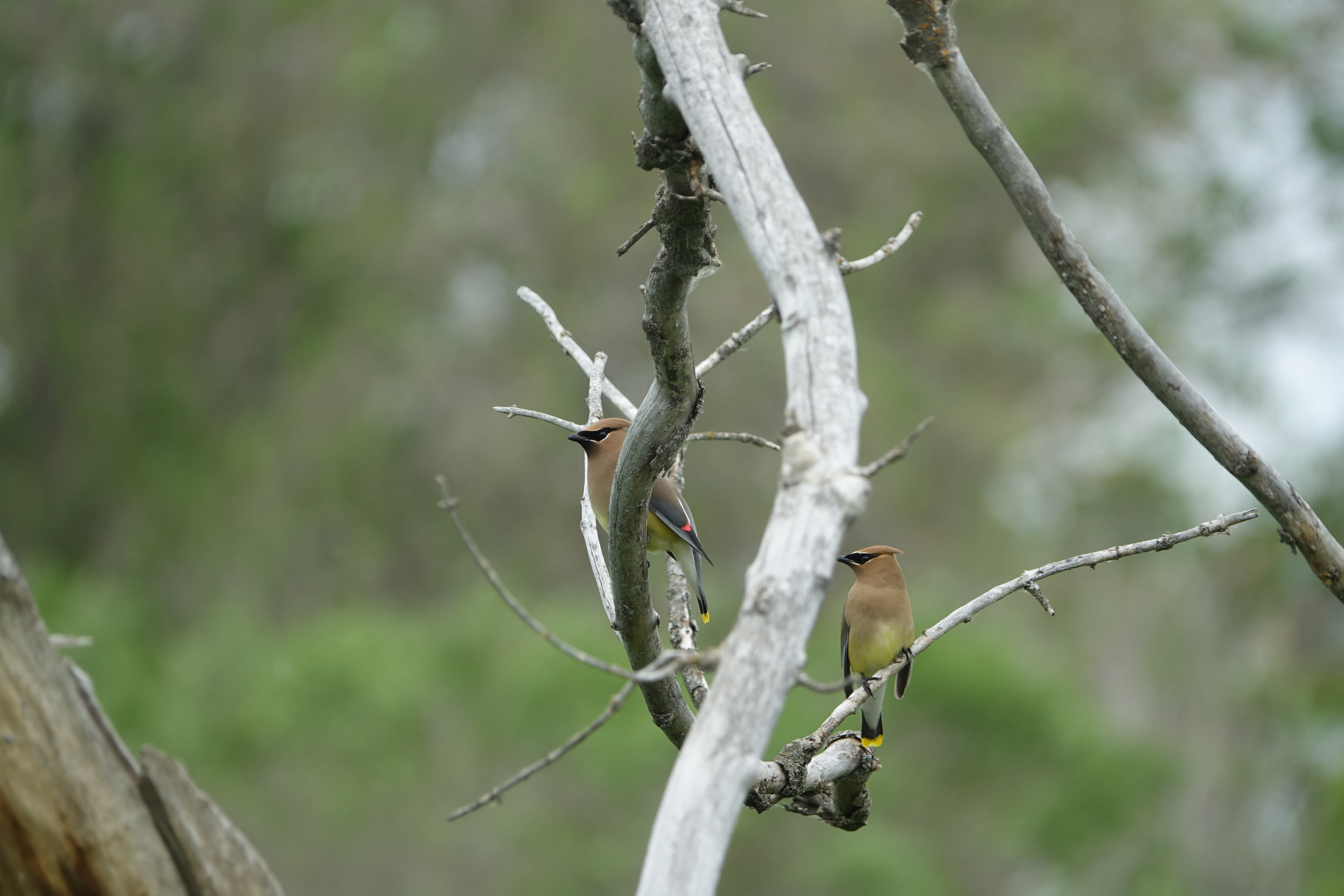
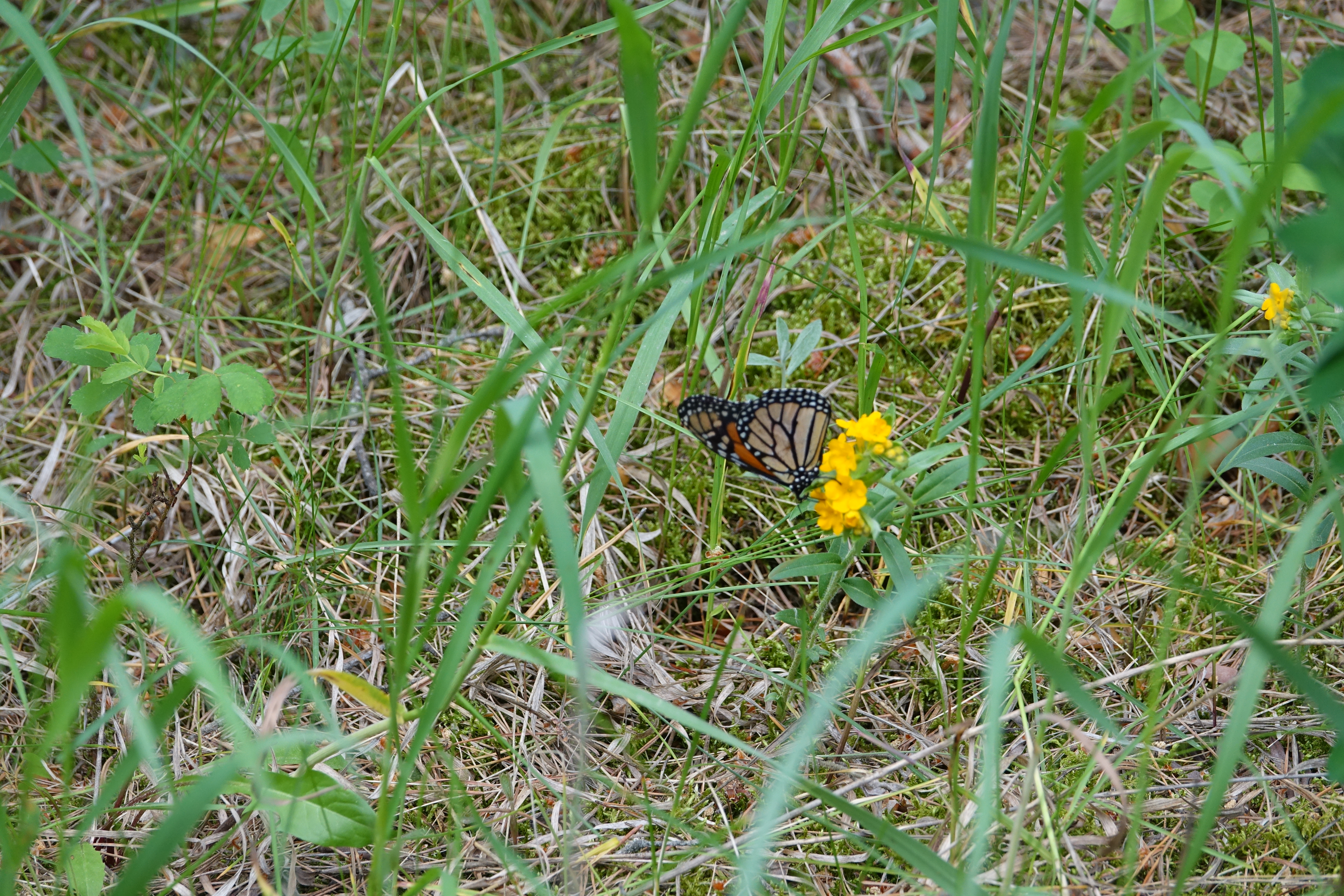
Saturday morning we made our way back to the WMA for our event. We were a small group that morning, and the wind was strong, but luckily the WMA is partially grassland and partially forested habitat, so we had some protection! We were lucky enough to have participants who were knowledgeable in butterflies and plants so the walk ended up being a morning full of learning about all things nature. Our first observation was Yellow Warblers, whose call of “sweet, sweet, I’m so sweet” we described to the group and using our guidebook to show their lovely yellow coloring. As we followed the shorter loop of the WMA, we saw variety of birds including Mourning Doves, Redheads, Cedar Waxwings and more. We were delighted to see Monarch Butterflies, and were surrounded by what must have been thousands of Dragonflies, leaving mosquitos nowhere to be found. At the end of our walk we heard a Ring-neck Pheasant call. The pheasant is a game bird introduced into the southwest from Asia. One of our participants, Daniel, informed us that he often found them in ditches near the WMA. After the walk had finished myself, Amanda and Sandy hurried off to try and find it. We had a brief moment of possible success – turns out it was a “piece of metal on a fence” bird. The rare cousin of the “leaf bird” and the “garbage bird” that like to play tricks on birders. We ended up unsuccessful.

Cedar Waxwings. Photo by Ariel Desrochers.
Monarch Butterfly. Photo by Ariel Desrochers.

Thank you again to the group who joined us for our bird walk! We identified 15 different species of birds, and 57 individuals. The full lists of birds identified during the walk can be found below.

SpeciesCount
Blue-winged Teal1
Redhead 2
Ring-necked Pheasant1
Mourning Dove4
American White Pelican 7
Least Flycatcher 3
Eastern Kingbird3
Loggerhead Shrike1
House Wren 5
Cedar Waxwing14
Clay-colored Sparrow3
Red-winged Blackbird4
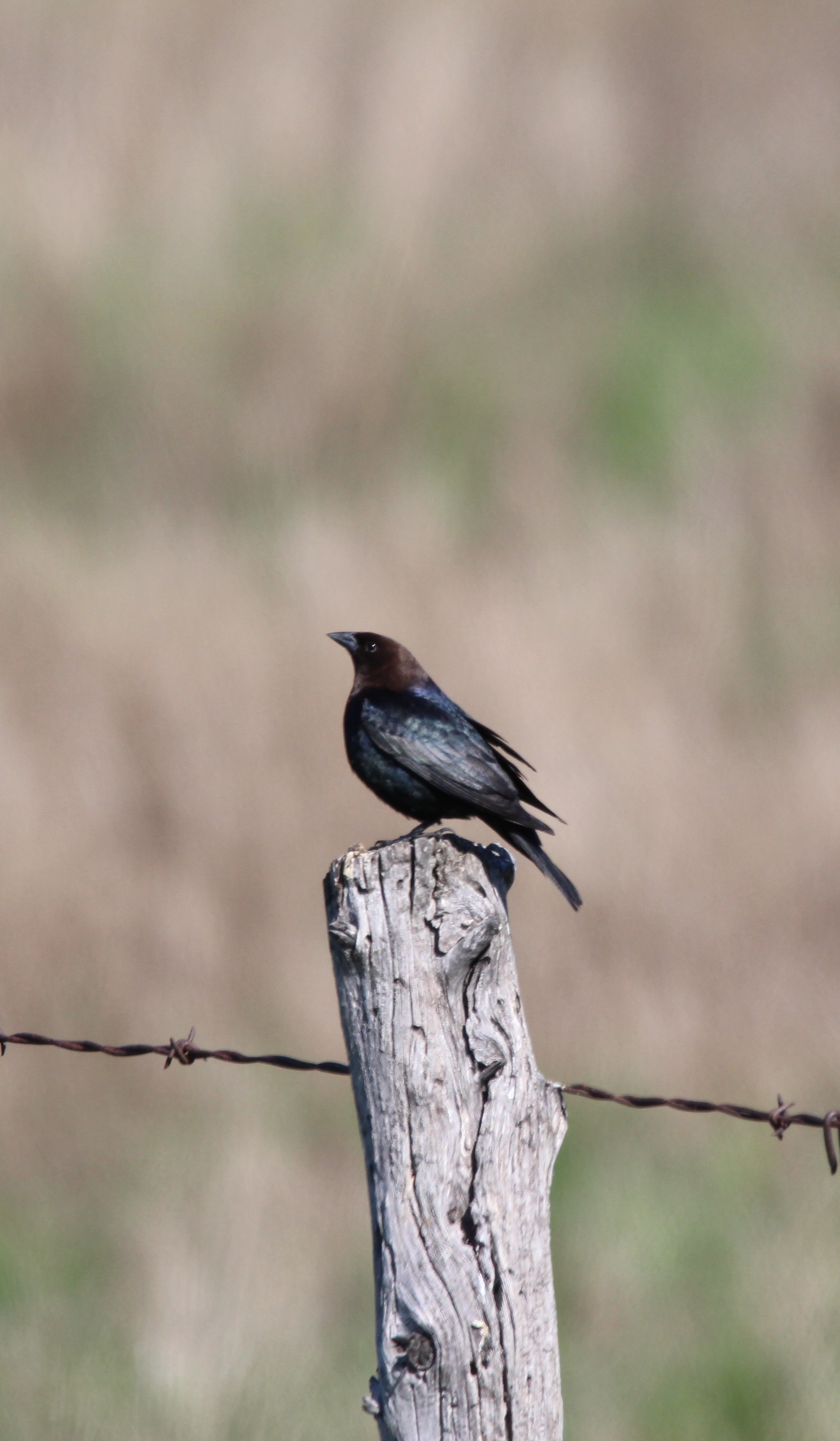
Brown-headed Cowbird2
Common Yellowthroat 1
Yellow Warbler 6

-Ariel Desrocher
What’s in the Water? – Whitewater Lake Blitz

On June 4th the Manitoba IBA Program held our first blitz of the 2022 season! After a spring of rocky weather we ended up with a great day to observe a wide variety of birds.

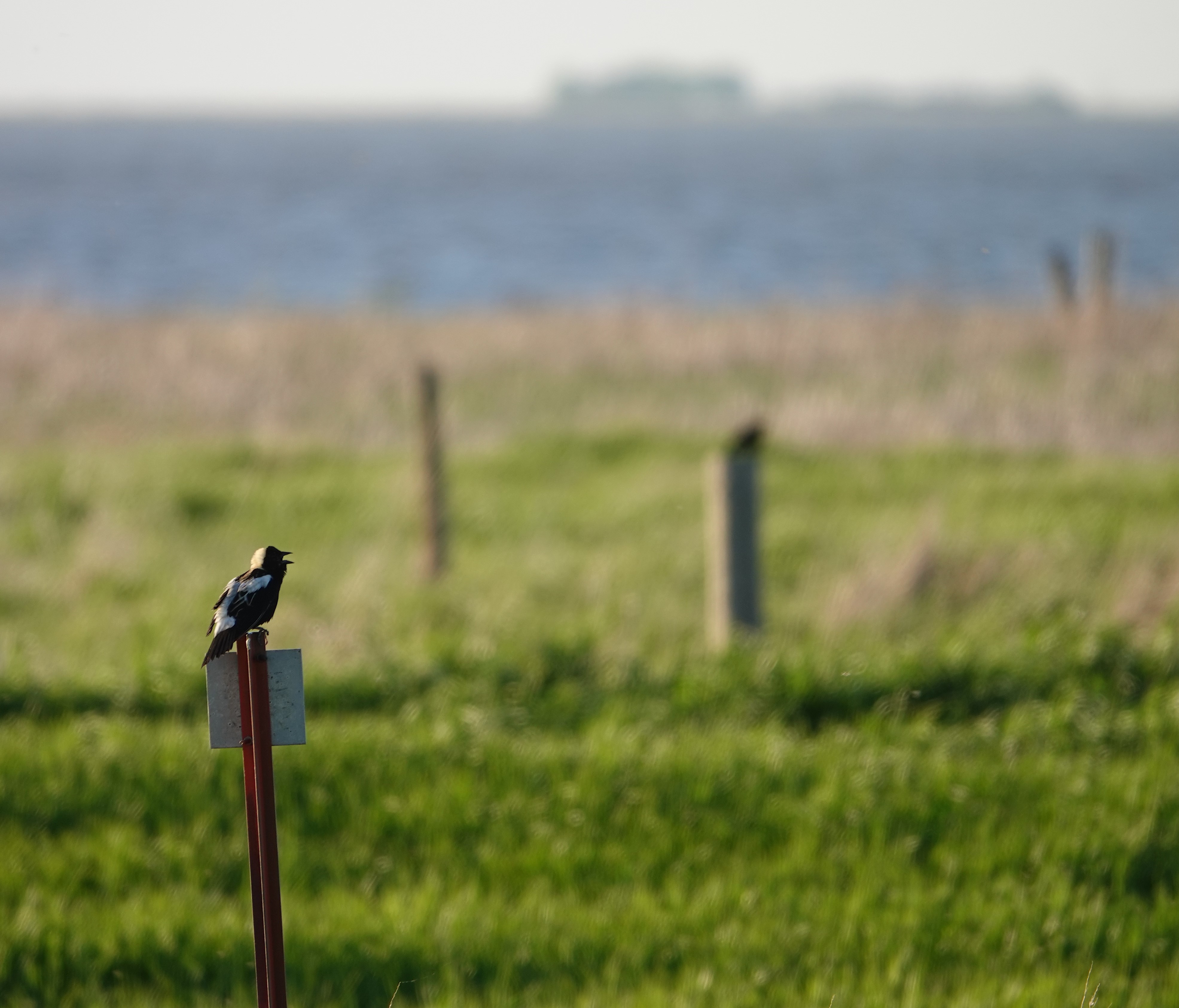
A photogenic Bobolink singing its heart out with Whitewater Lake in the background. Photo by Randy Mooi.

We had five groups of volunteers head out to Whitewater Lake to start birding around 8:30 am and finish up with lunch at Sexton’s Point at 12:30 pm. If you think back to the end of May and beginning of June, we had been receiving a lot of rain. So while the weather was great, we had to be somewhat careful of road conditions, especially on the dirt roads. Probably unsurprising to everyone, the water levels at Whitewater Lake were quite high compared to last year (last year was unusually dry). We were hoping that would help to increase the number of birds we would see on our blitz!

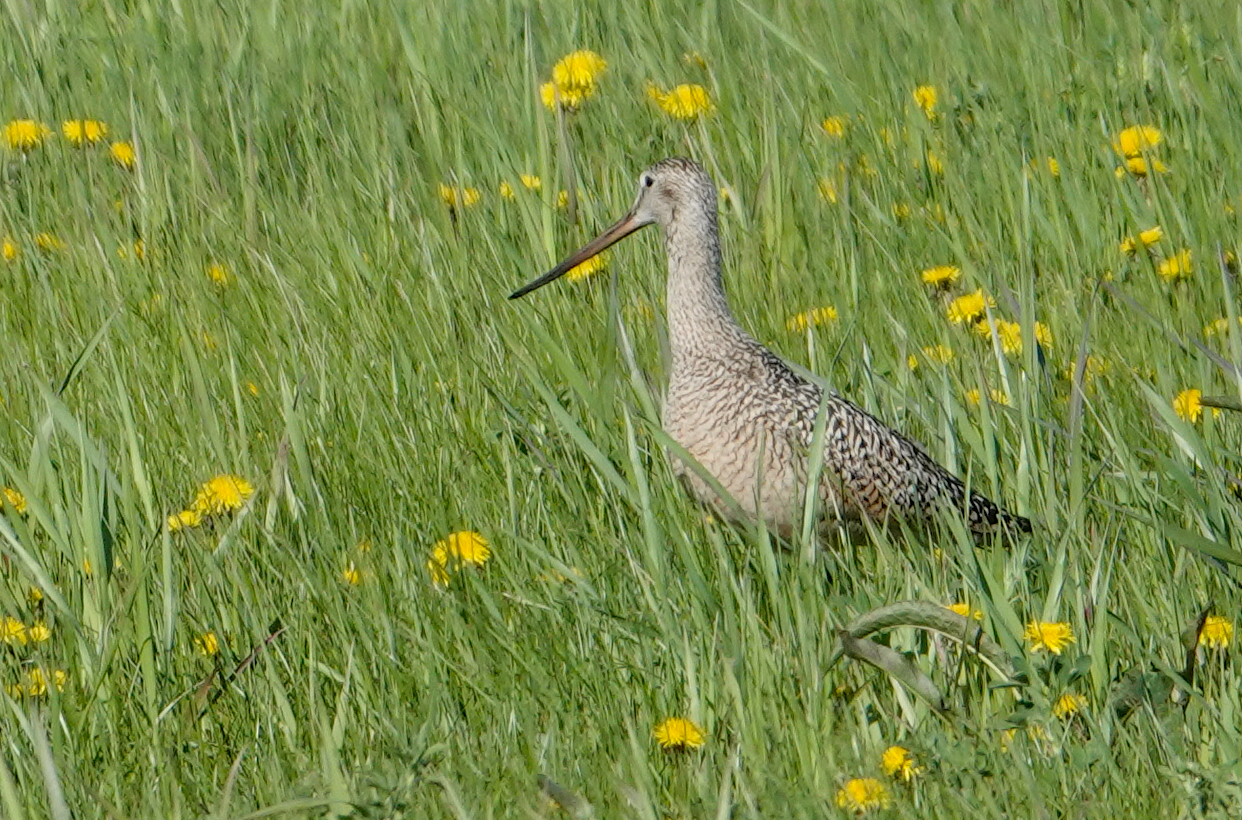
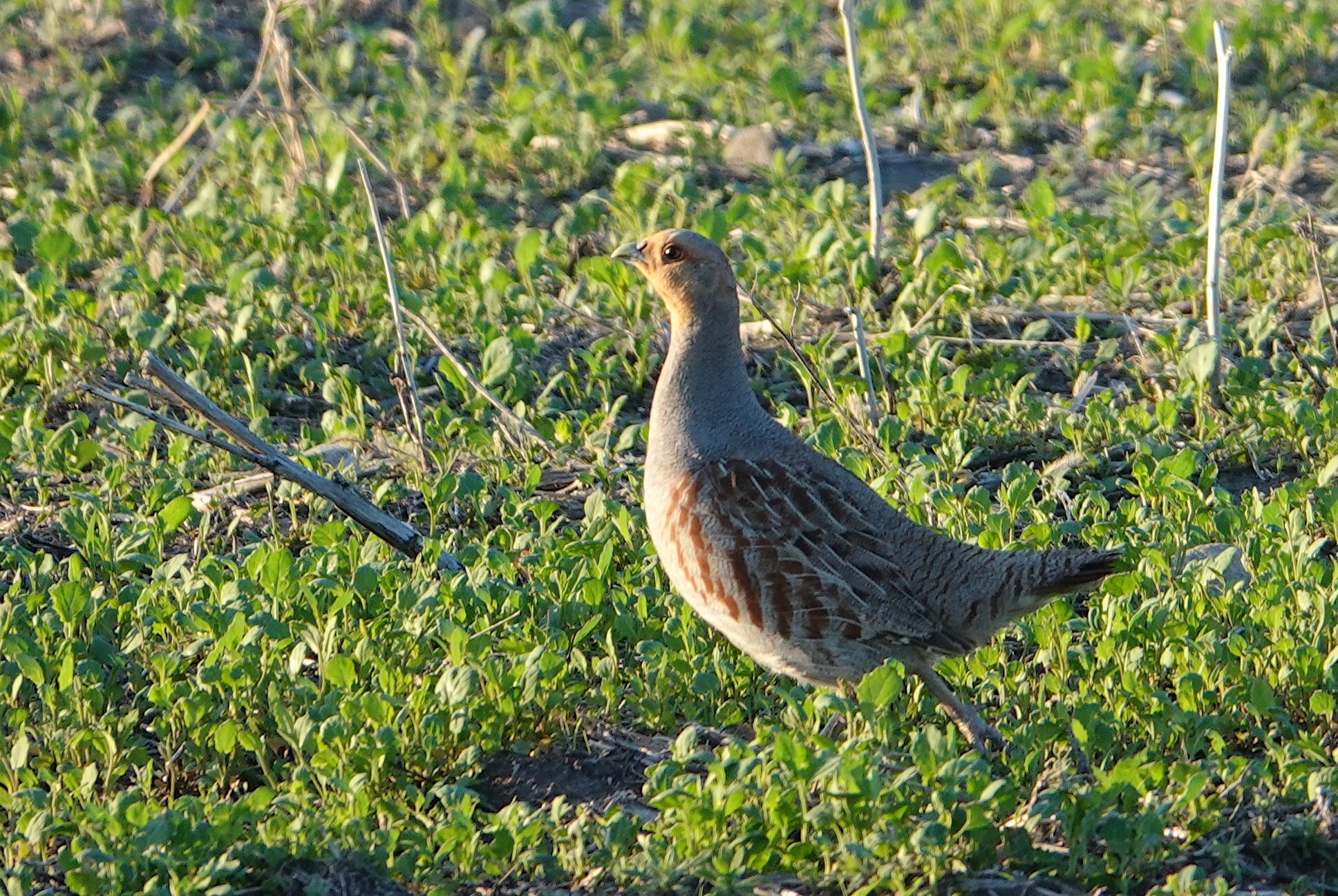
A Marbled Godwit (left) and Grey Partridge (right). Photos by Randy Mooi.

Normally we would head out to a Whitewater Blitz concentrating on shorebirds. During pre-blitz scouting and International Shorebird Surveys we were expecting shorebirds to be thin on the ground this year (not just at Whitewater Lake, but this pattern was seen across southern Manitoba). We are not entirely sure why this has happened, but we had a few hypotheses. Perhaps this was due to a late arrival with our unseasonably cold conditions? Perhaps it was due large amount of water across the landscape providing a lot of habitat, and meaning the shorebirds were more spread out this year? For that reason while we did run routes suitable for shorebirds, we were also recording a wider variety of species.

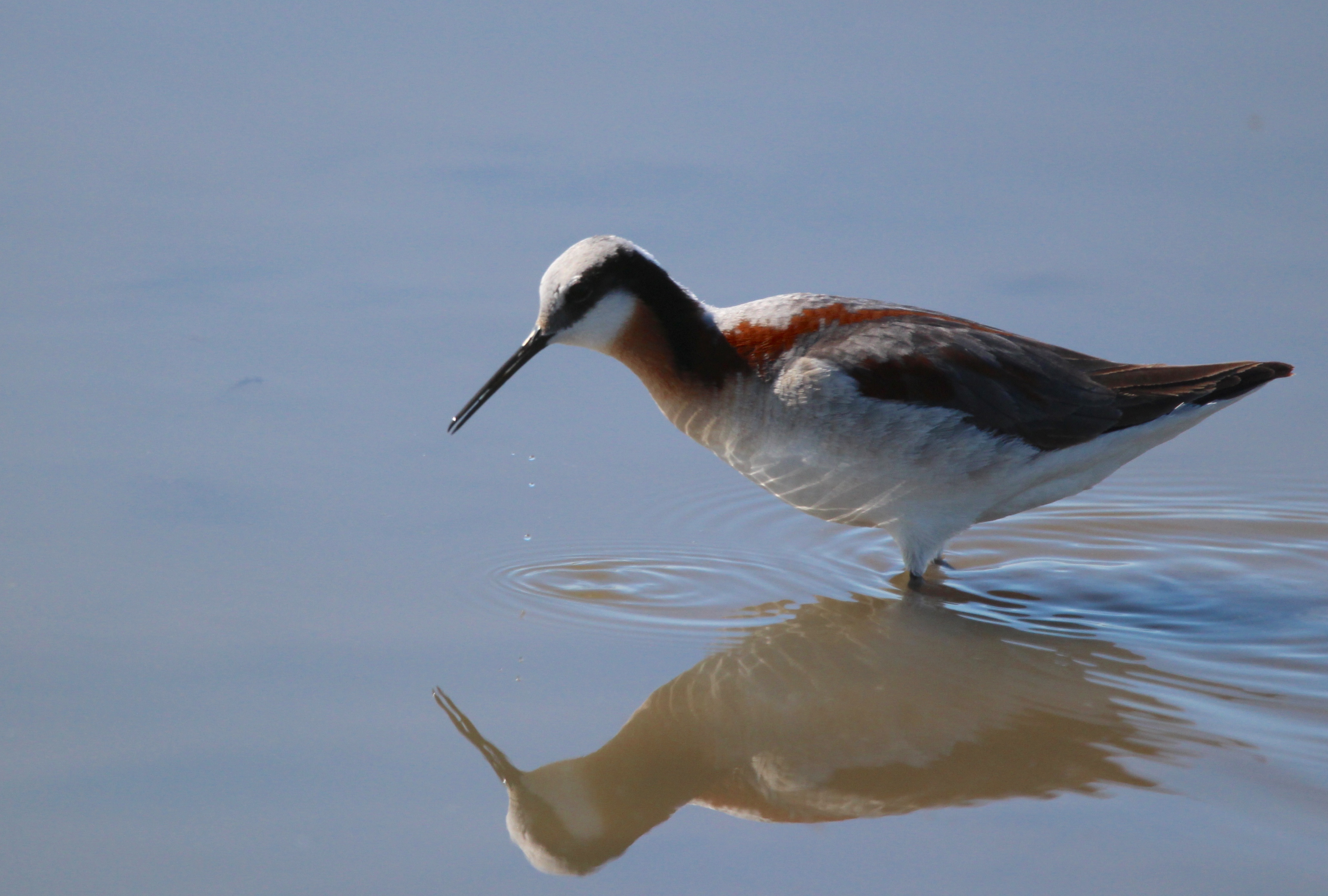
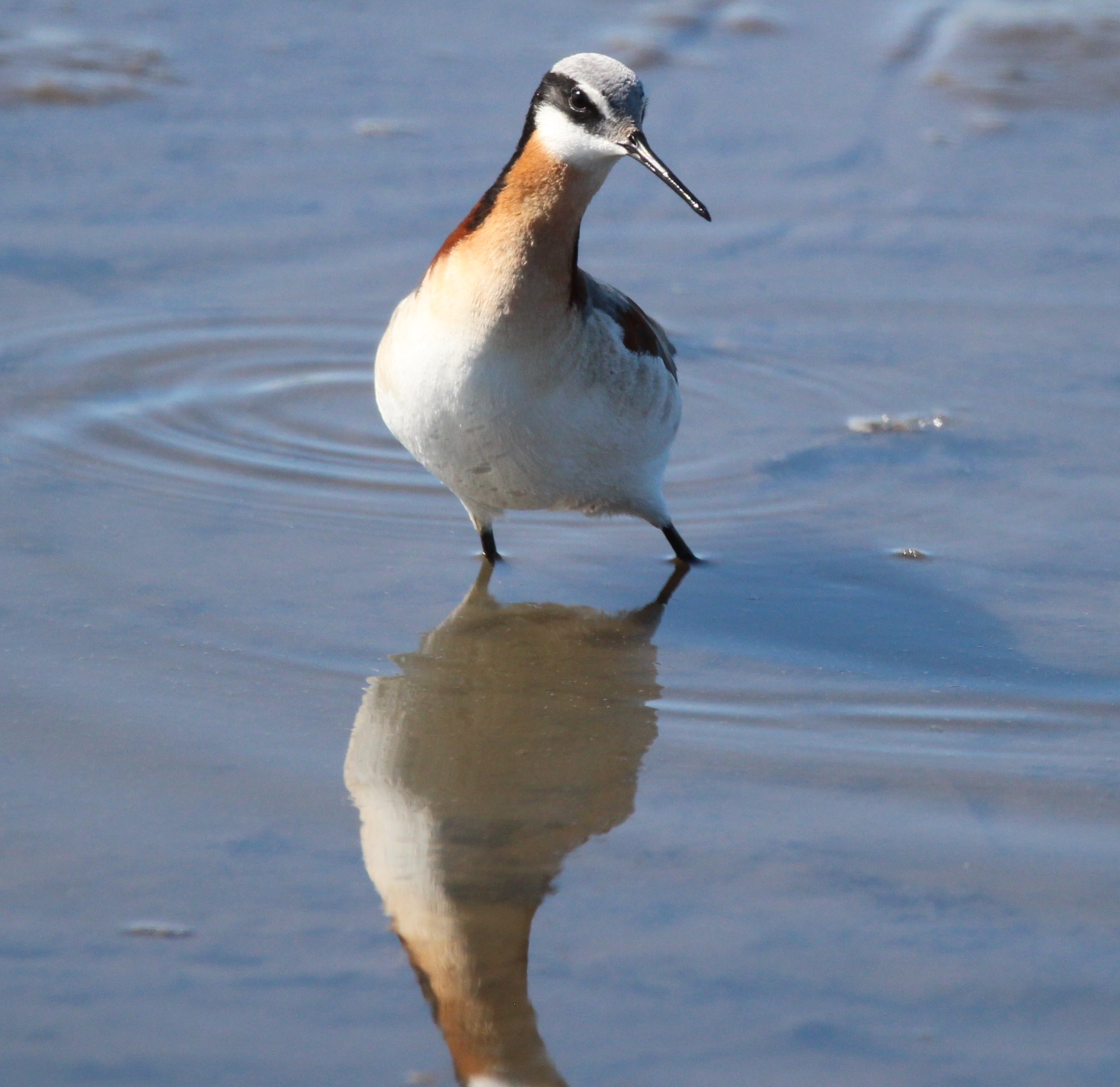
Wilson’s Phalaropes. In contrast to most other birds, the female Wilson Phalarope is more colourful than the male. Photo by Josh Dewitt.

The south side of the lake was the domain of Group 1. This included Randy and Odette Mooi making their way from the east side of the south end of the lake, and Colin Blyth making his way from the west side of the south end of the lake. The two groups met in the middle of the south side.

Randy and Odette saw a nice variety of shorebirds and other species as well. Near the beginning of their morning they picked out our only Black-crowned Night Heron, Great Crested Flycatcher, Orchard Oriole and Belted Kingfisher of the day. They also counted 13 Bobolink over the course of their morning. They also had relatively high counts (for the day) of White-rumped Sandpipers (200+), Pectoral Sandpipers (30), Sanderling (51), and Semipalmated Sandpiper (40).

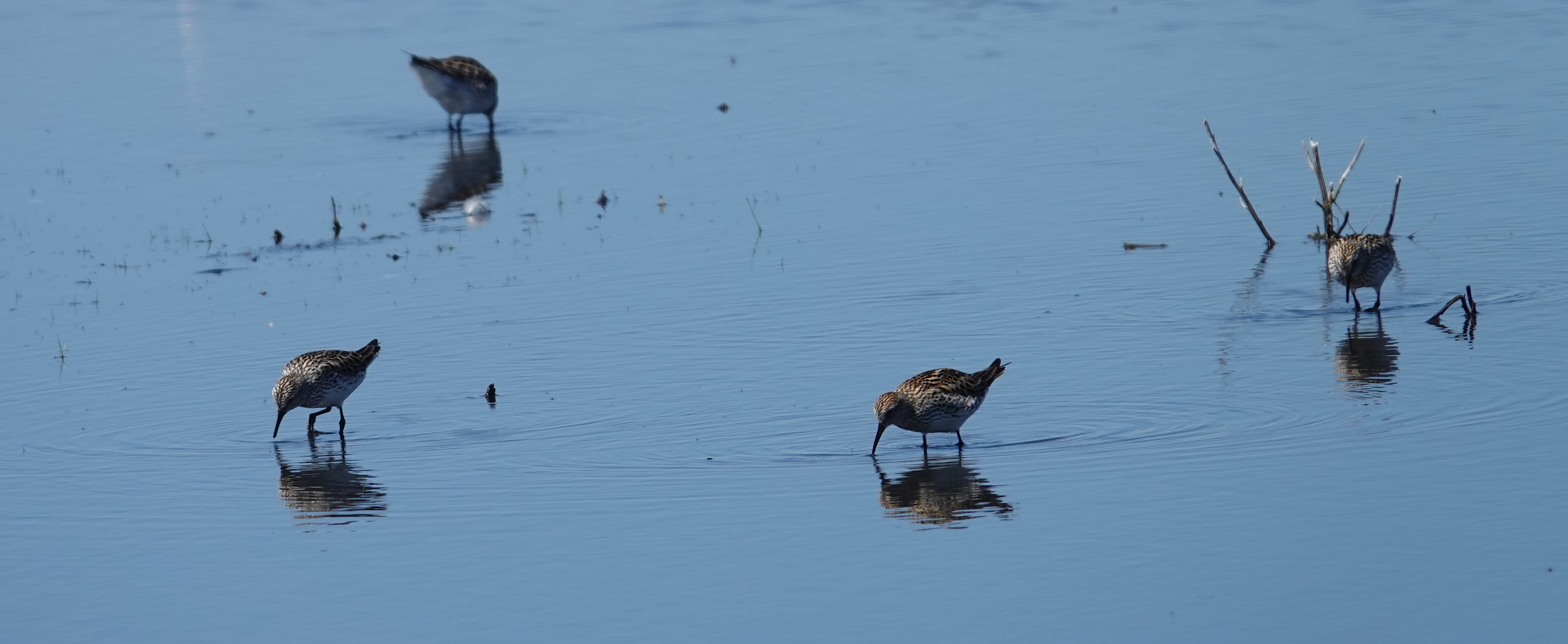
A group of White-rumped Sandpipers feeding. Photo by Randy Mooi.
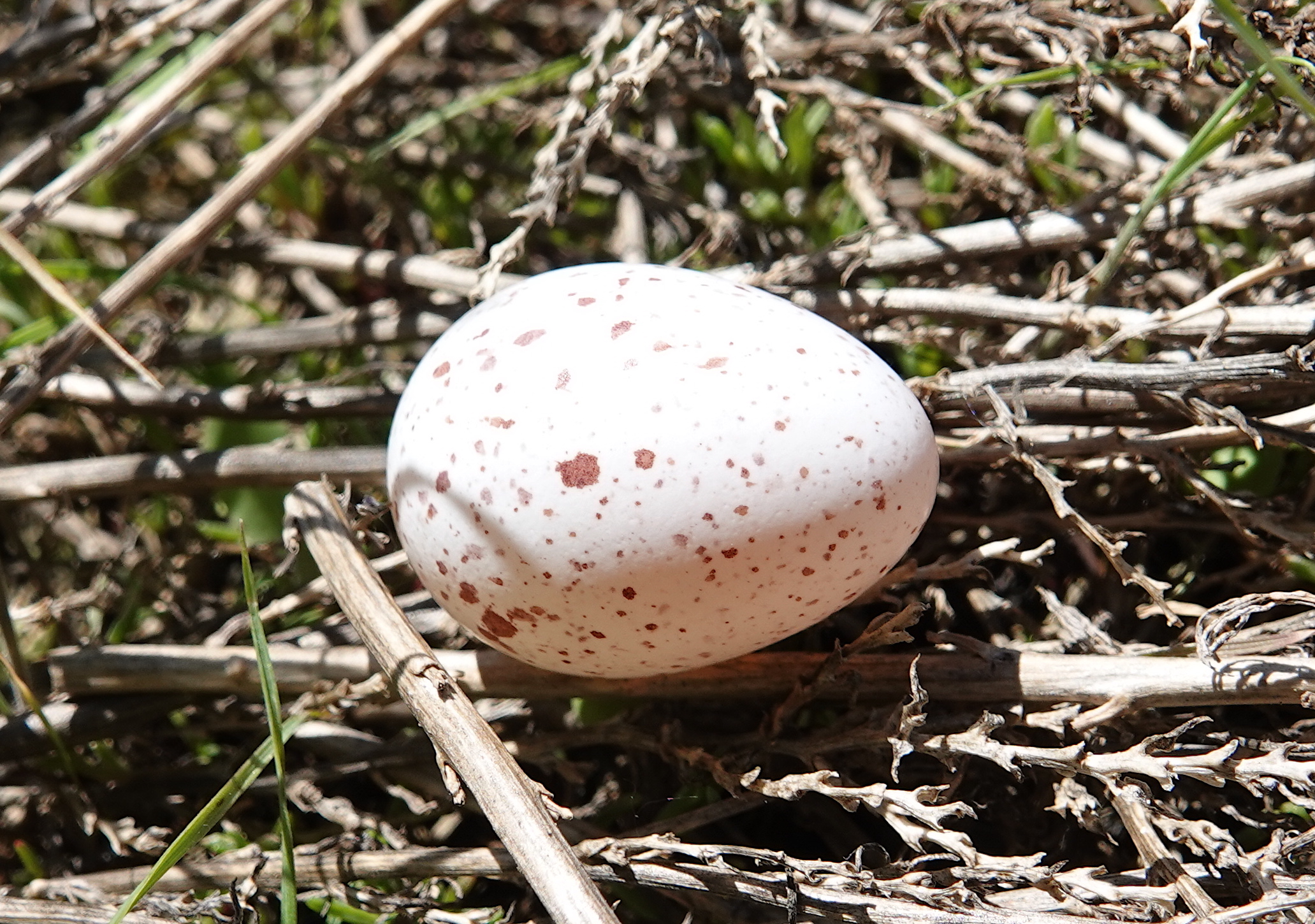
An orphaned Western Meadowlark egg, perhaps dropped by a predator? Photo by Randy Mooi.

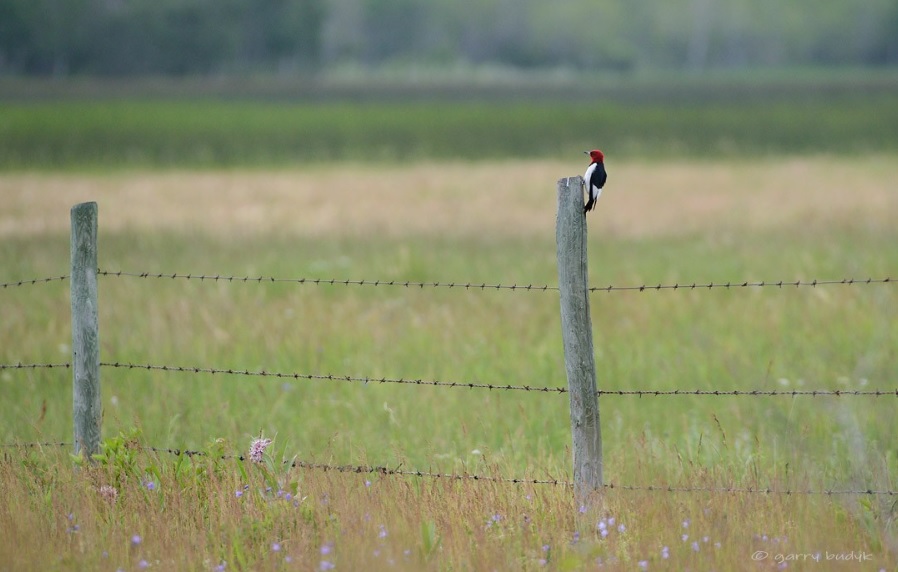
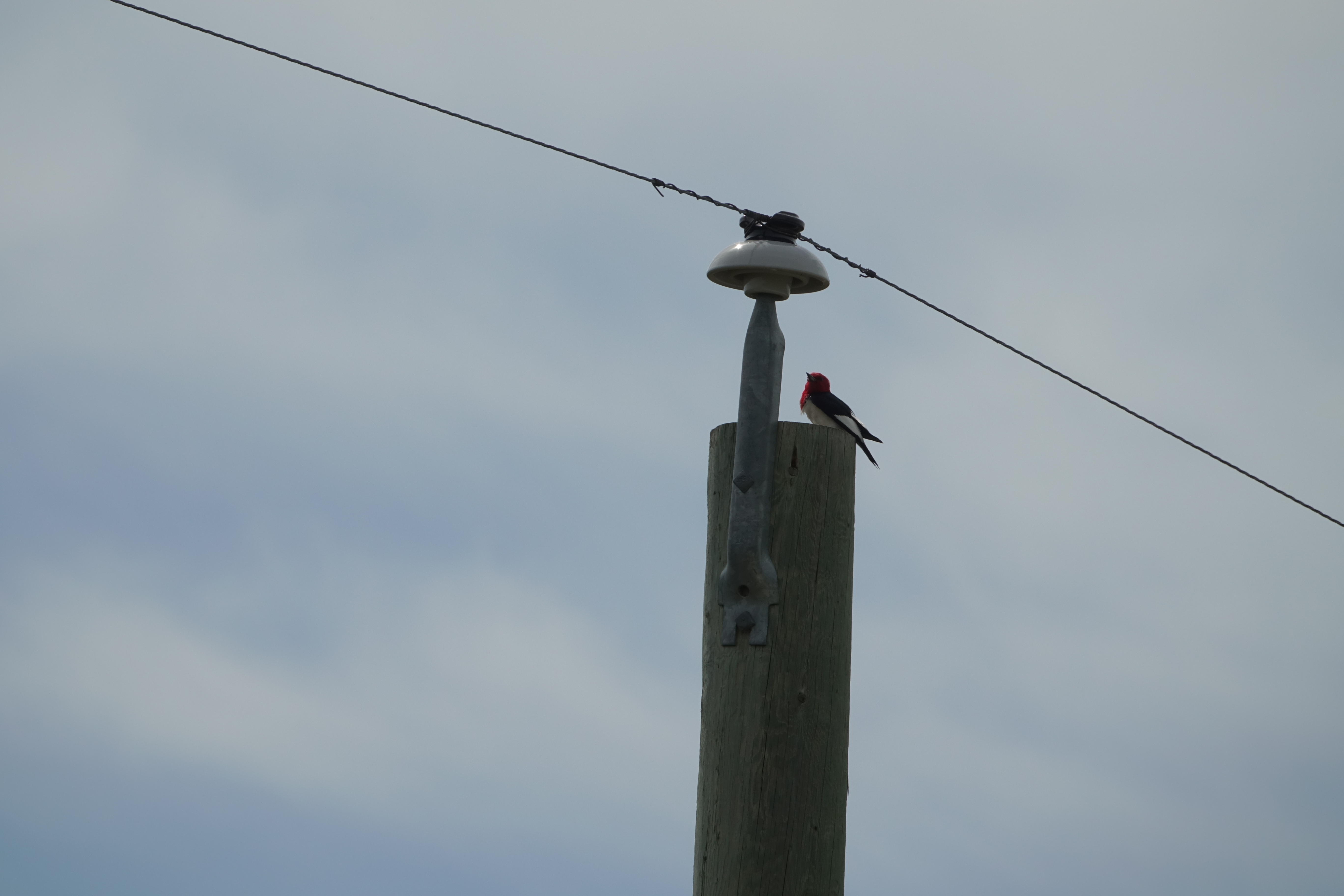
On the west side of the lake Group 2, composed of Gillian Richards, Duane Diehl, and Tom and Renee Wills. Their area included west of the lake, south of road 20N and the area nearby to Deloraine. This included the western International Shorebird Survey routes. This group saw a lot of large numbers of our shorebirds on their first ISS including 39 Semipalmated Sandpipers, 75 White-rumped Sandpipers, 17 American Avocets and 4 Stilt Sandpipers. The second ISS route also netted them a good variety of shorebirds, but in smaller numbers. They saw Killdeer, Stilt Sandpipers, Sanderling, Baird’s Sandpiper, White-rumped Sandpiper, Pectoral Sandpiper, Semipalmated Sandpiper, Wilson’s Phalarope, Red-necked Phalarope and Spotted Sandpiper. They also saw a Red-headed Woodpecker – not often a species associated with Whitewater Lake.

Group 2 was a bit late joining up with us for lunch, but with good reason! They wanted to finish up the 3rd of the ISS routes in the west. The highlight here was not a shorebird, but a single Greater White-fronted Goose and a White-faced Ibis, among other birds.

Cowbirds are considered a bit of a menace by some people due to their parasitic nature of abandoning their eggs in the nests of other birds to be raised. It is a completely different way of reproducing to other birds in Manitoba and it works well for them. Photo by Josh Dewitt.

The north side of the lake was the domain of Mike Karakas and Tami Reynolds. They surveyed all along the road that runs along the north (Highway 48 and mile road 20N). Some highlights from Mike and Tami include a nice variety of shorebirds including 31 Black-bellied Plovers, 3 Ruddy Turnstones, 3 Semi-palmated Sandpipers and a Dunlin. These species were on a marshy area on the way out to their survey site (my group later stopped here too, don’t worry, we didn’t double count!).

Despite it being a bit late in the year (perhaps because of our weather) Mike and Tami also counted 106 Snow Geese in both the white and blue colour morphs. They also picked up a Bobolink, Grey Partridge, and Eastern Towhee on the first part of their route. On the second part of their route interesting finds were 15 Stilt Sandpipers, a few more Snow Geese, and four Ruddy Ducks. As they arrived in the western portion of their route Mike and Tami saw a further four Bobolinks, two Black Terns and fair numbers of White-rumped (31) and Baird’s Sandpipers (45). They also had a Canada Jay – not the habitat I typically think of!

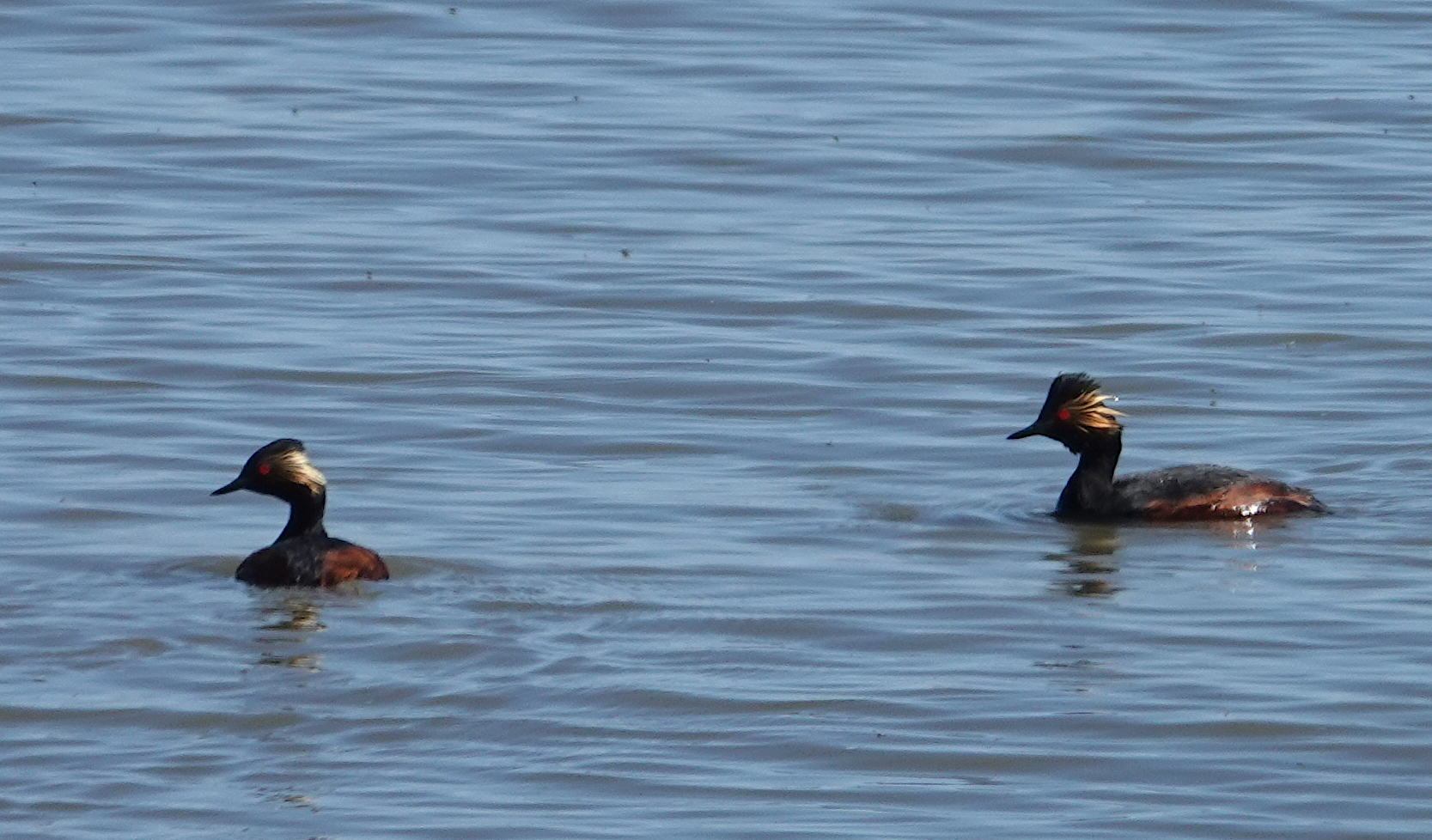
Eared Grebes on Whitewater Lake. Photo by Randy Mooi.

Myself, Josh Dewitt, Melanie Rose and Laura met up in Boissevain and surveyed the area on the east side of the lake, largely following the three International Shorebird Survey routes. Our area included both walking and car birding. The dirt tracks on our side of the IBA were luckily all dried up, and the small rental car that replaced the SUV I was supposed to have handled the uneven roads like a champ. At our first stop we actually ran into Mike and Tami who had stopped at a particularly lucrative wetland area on their way out to their route. We were able to spot three Red Knots blending into the stubble at the far side of the wetland. It turns out that Red Knots haven’t been seen at Whitewater Lake for several years, and it lead to several people going back to this spot after lunch to try and spot them again (with success!). At the same spot we also picked up 30 Baird’s Sandpipers and 40 Least Sandpipers.

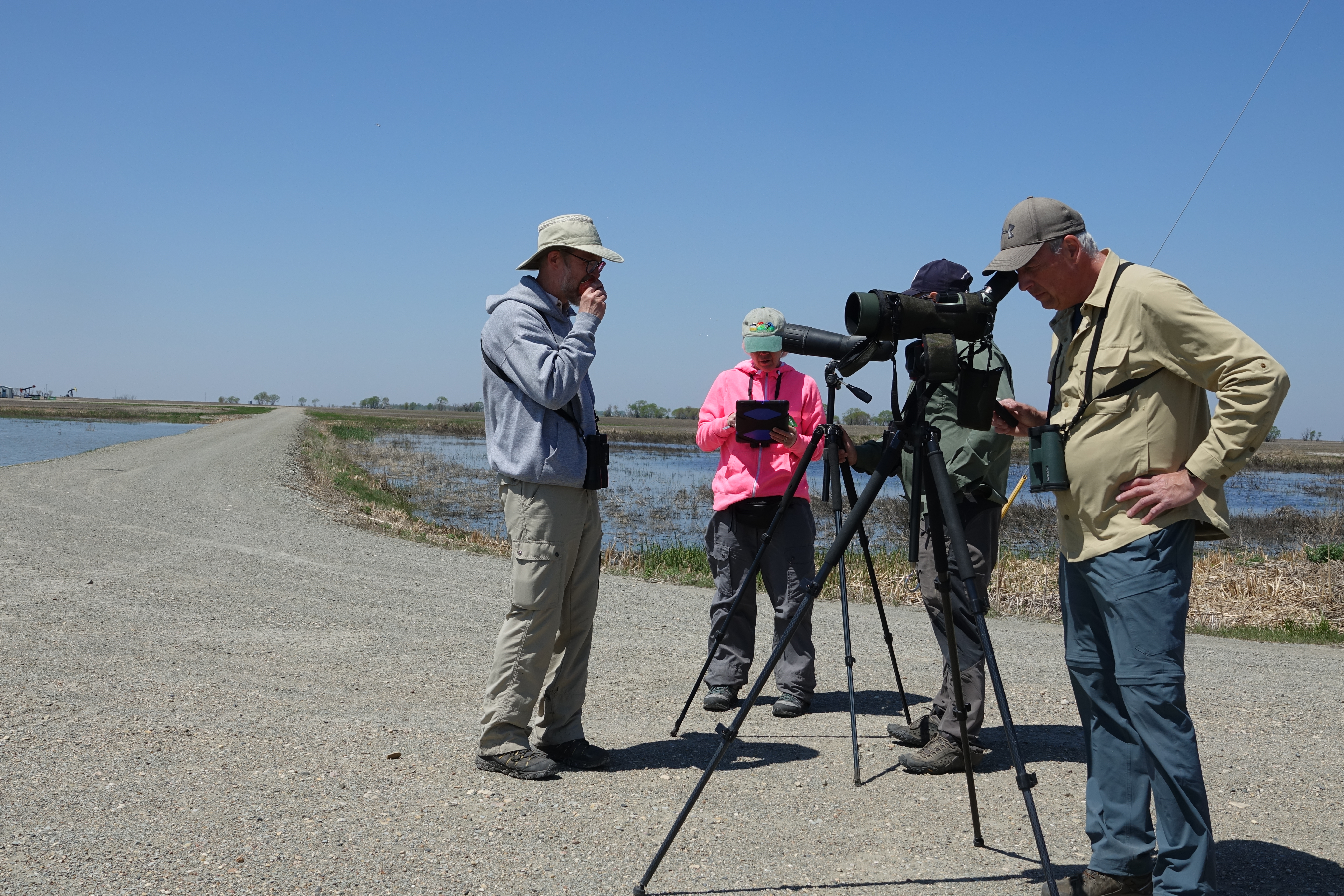
Josh and Melanie on the hunt for shorebirds. Photo by Amanda Shave.

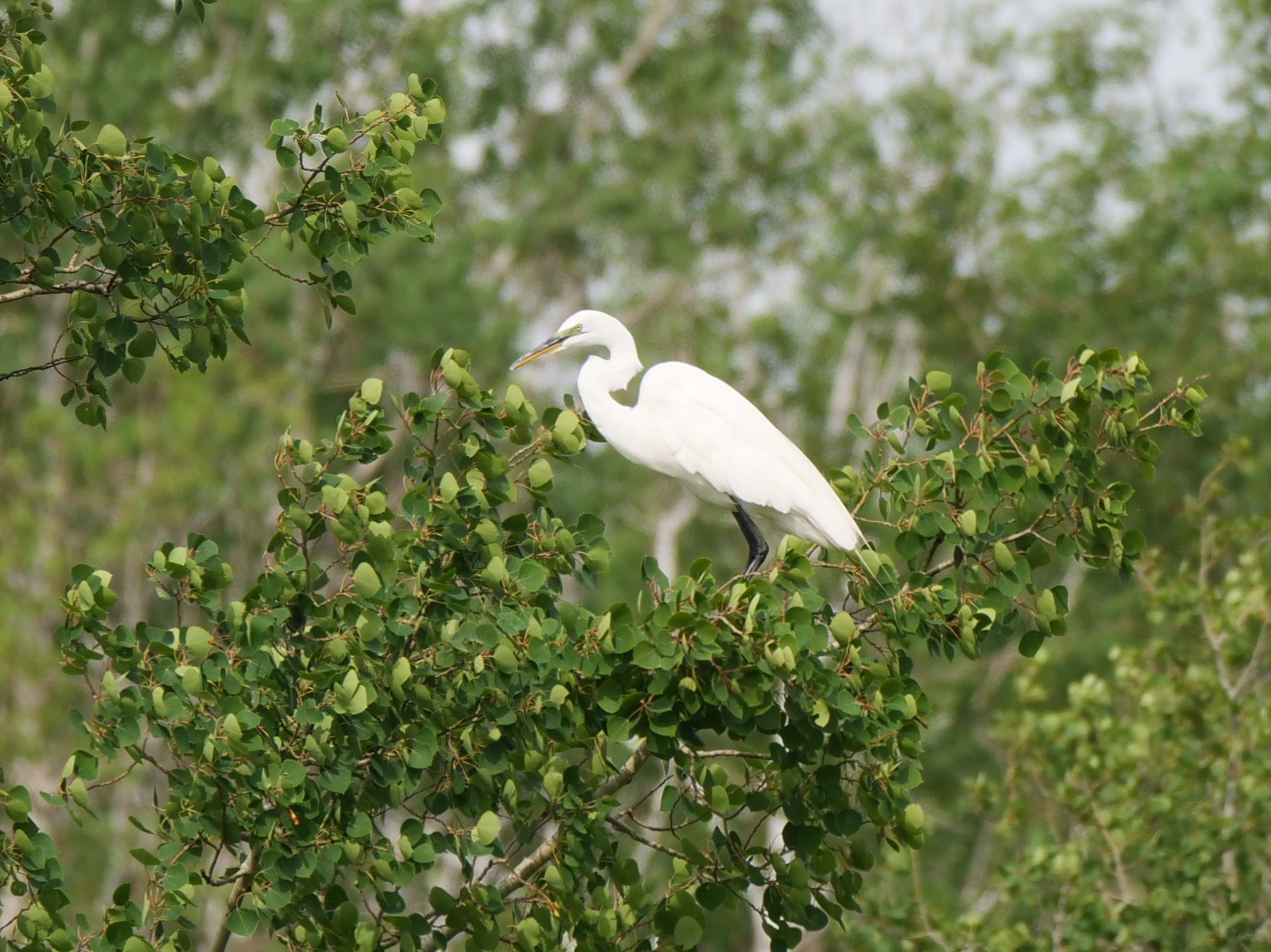
Along the first ISS route we picked up 85 Semipalmated Sandpiper and a Bobolink. For our second ISS route the highlight was a group of 35 Baird’s Sandpipers. Our last ISS route yield a group of 60 peeps who flew around and eventually landed on a mud flat way too far out for identification with scopes, much to our frustration. Luckily we got to see a few charismatic birds to make up for it including two American Avocet, three Northern Pintails, a Great Egret and a Baltimore Oriole.

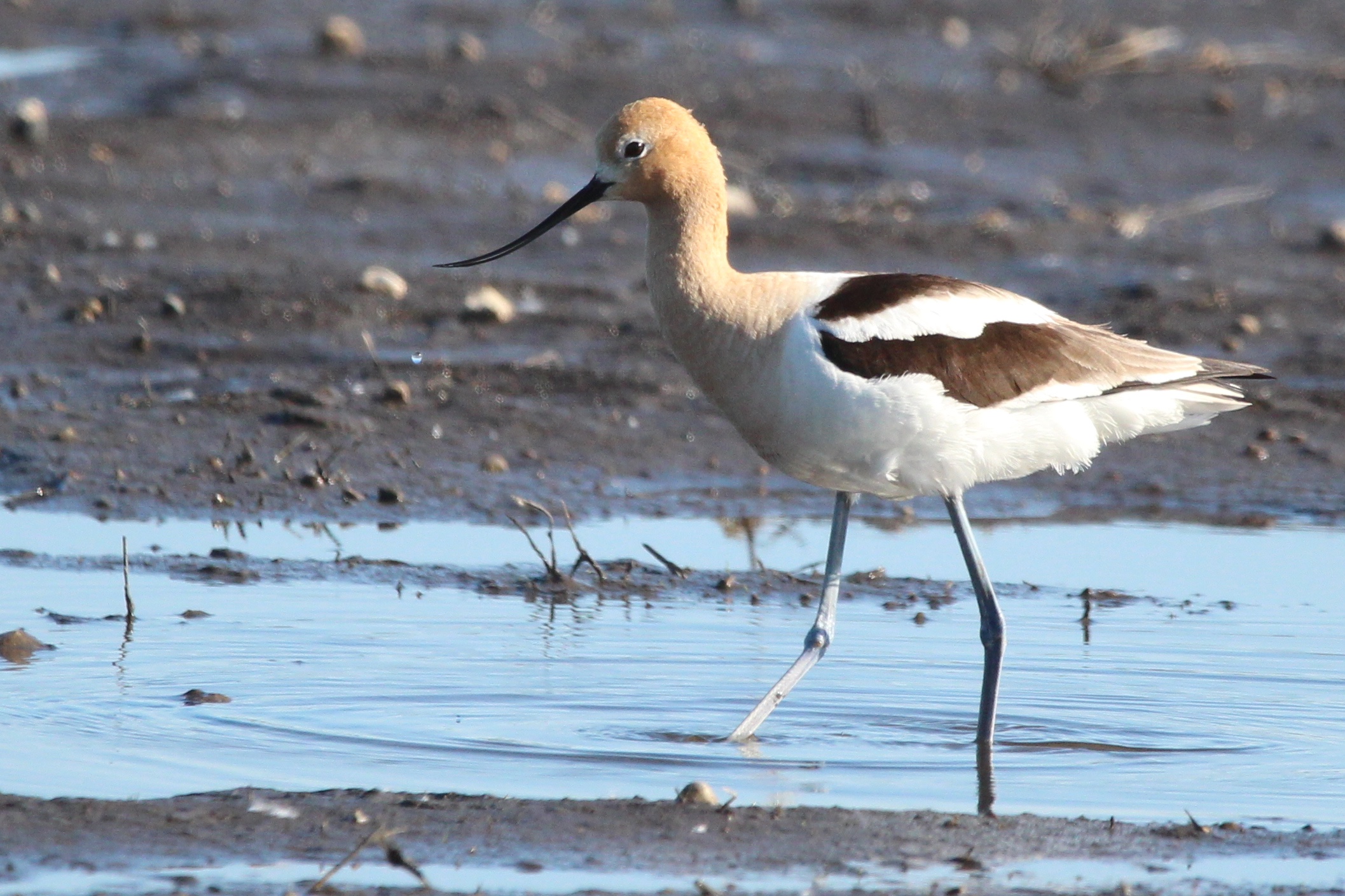
An American Avocet in full breeding plumage. The head and neck colouration usually draws the most attention but note the interesting blue legs as well. Photo by Josh Dewitt.
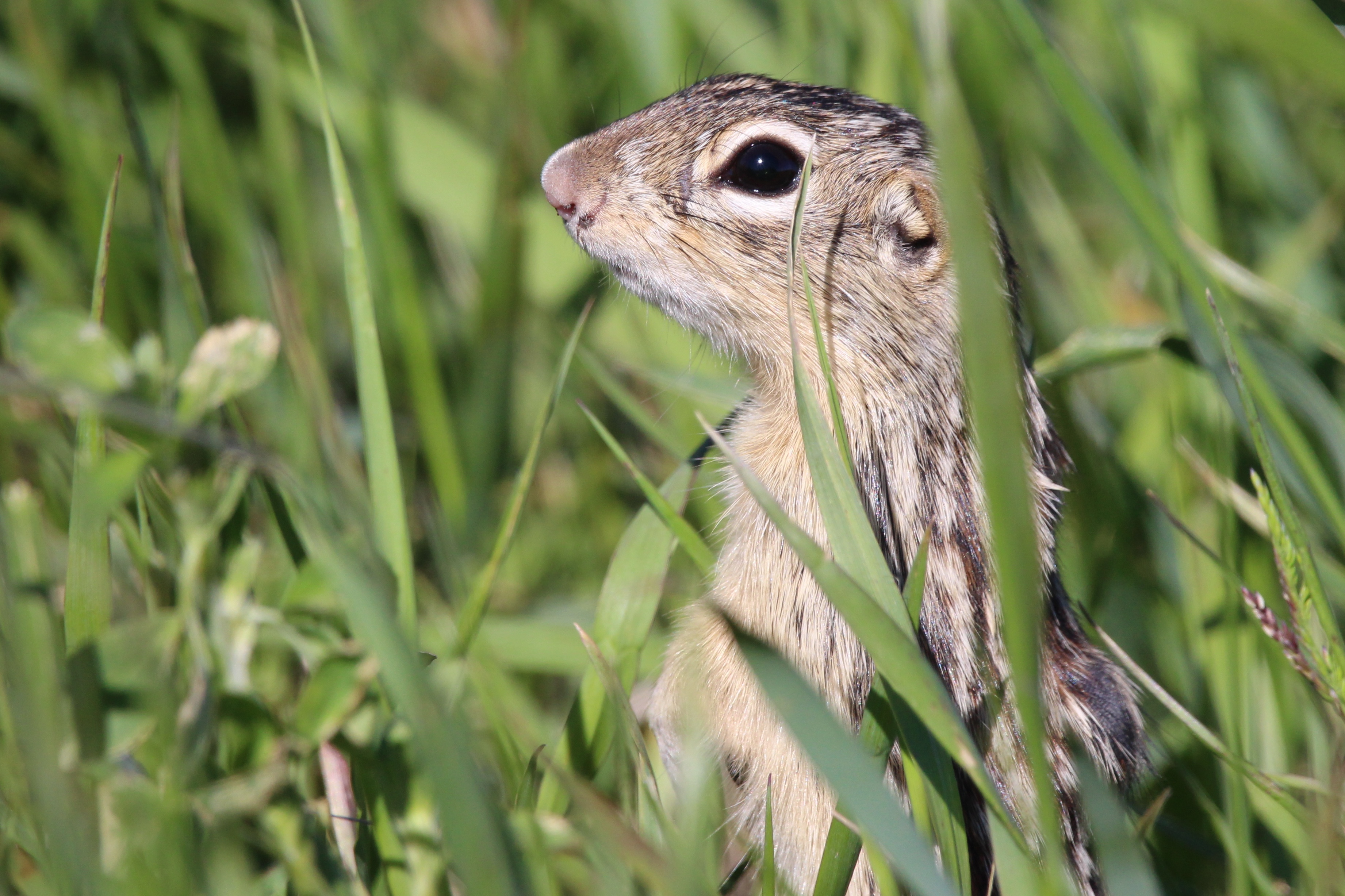
A Thirteen-Lined Ground Squirrel that kept popping up while my group was surveying for birds at the edge of a track out to the lake. I think it was anxious for us to be moving on! Photo my Josh Dewitt.

After all had gathered at Sexton’s Point were did a bit more birding as we ate our sandwiches. Here we spotted a further 93 Snow Geese out on Sexton’s Island, two Ruddy Turnstones, as well as two Sanderlings. The Sanderlings are an interesting species. For most shorebirds the breeding plumage is the easier plumage for identification, but for Sanderlings their non-breeding plumage is much more unique. These individuals were in their breeding plumage, so there was bit of debate before this ID was settled on with confidence.

Scoping, recording and eating – so much happening here! Lunch time at Sexton’s Point. Photo by Amanda Shave.

All in all, we saw 105 species, with over 3000 individual birds counted. The most numerous species was the White-rumped sandpiper with 325+ individuals counted (although not everyone counted each individual Red-winged Blackbird, so they may have had the sandpipers beat). Thank you everyone for a great day out at Whitewater Lake!

Full bird list for June 4th at Whitewater Lake:

SpeciesCount
Snow Goose209
Canada Goose 137
Blue-winged Teal122
Northern Shoveler 153
Mallard 101
Gadwall 67
Northern Pintail 27
Ruddy Duck29
Lesser Scaup 6
Black-crowned Night Heron1
American Avocet46
Black-bellied Plover 36
Killdeer 32
Ruddy Turnstone7
Dunlin10
Semipalmated Sandpiper130
Wilson’s Phalarope 51
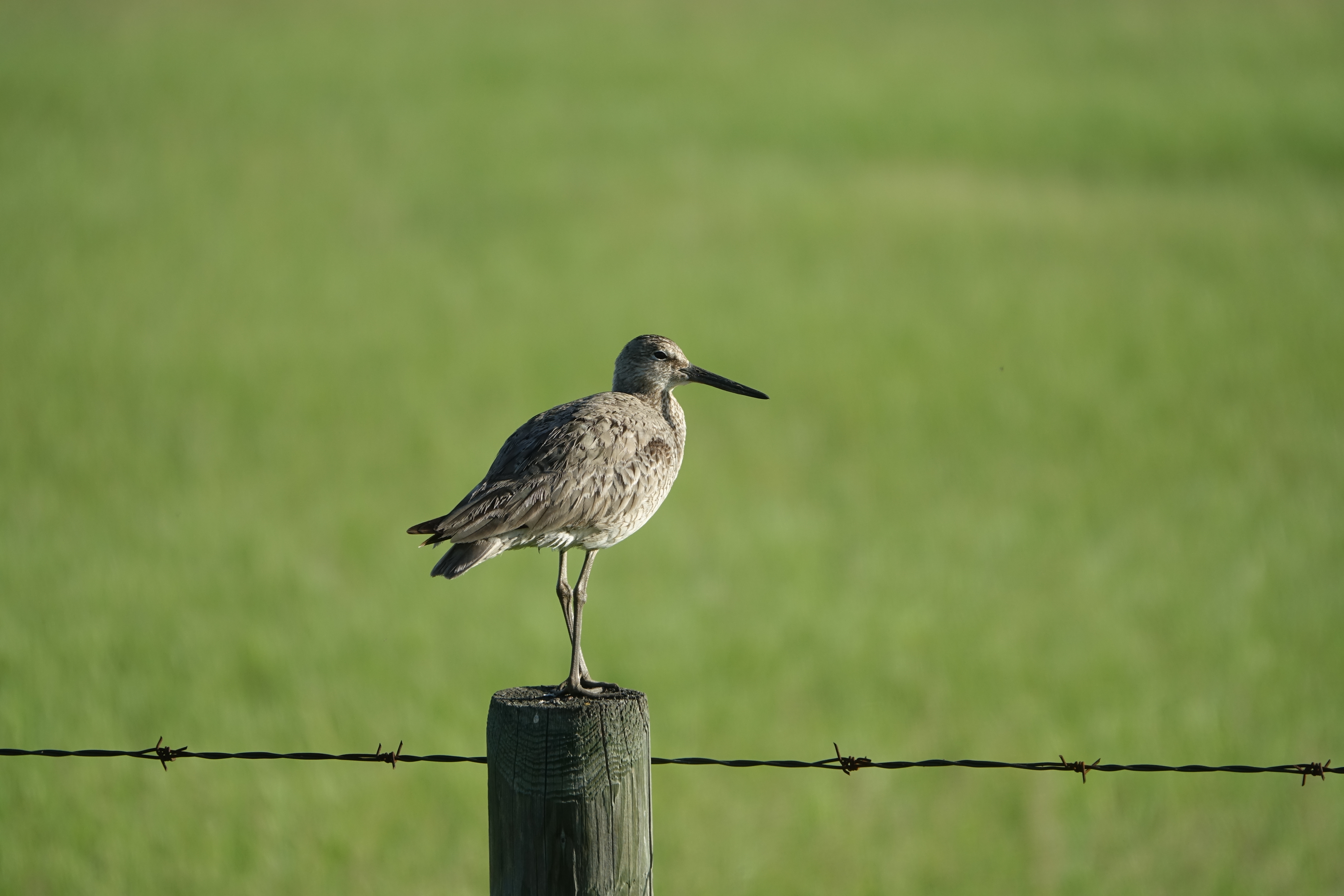
Willet25
Red-Winged Blackbird249+
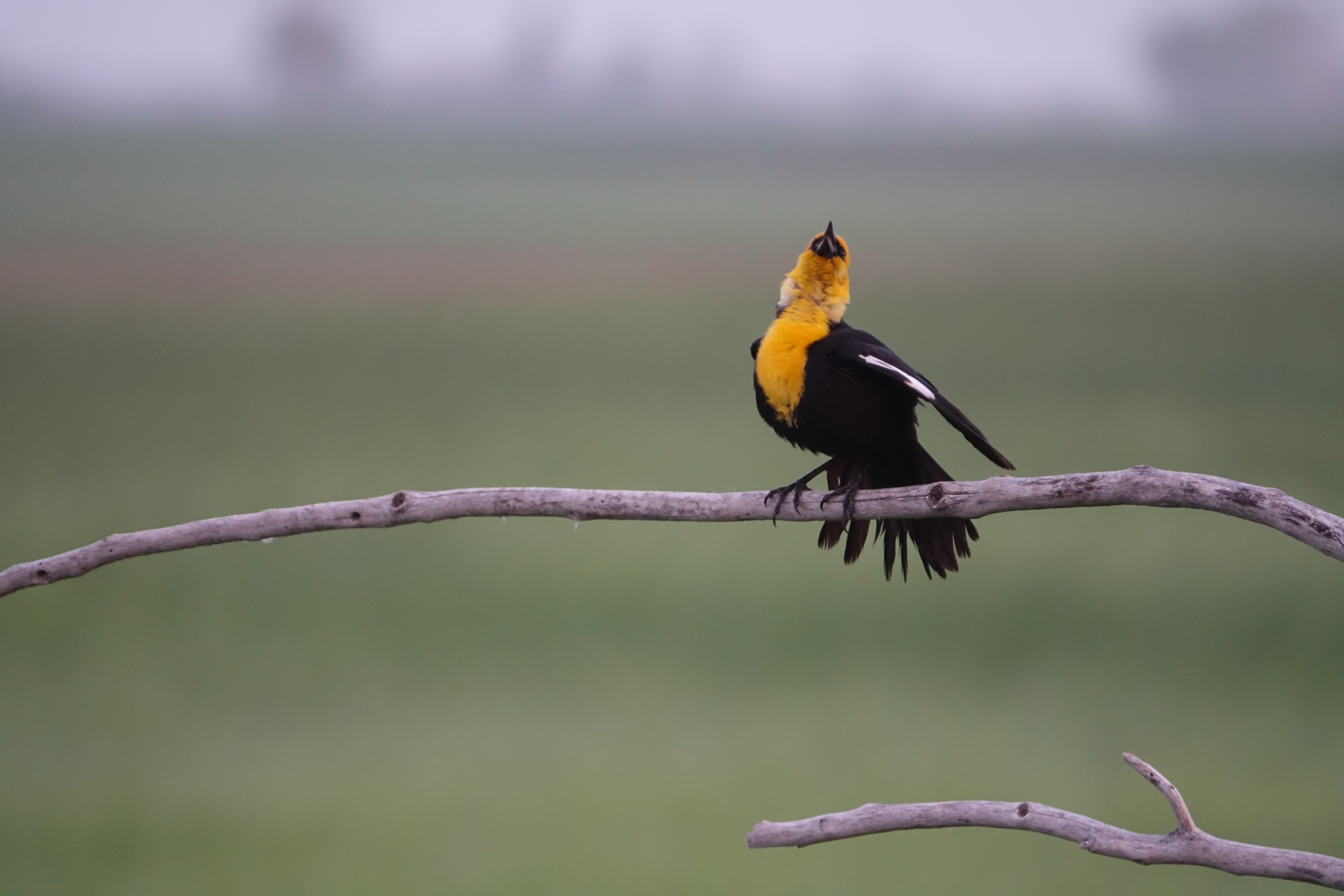
Yellow-headed blackbird58
Brown-headed Cowbird69
Green Winged Teal 2
Canvasback 38
Redhead 20
Hooded Merganser 3
Eared Grebe23
Mourning Dove 29
Sora15
American Coot21
Stilt Sandpiper 22
Sanderling 55
White-rumped Sandpiper325+
Pectoral Sandpiper40
Shorebird sp. 10
Black Tern4
Double-crested Cormorant3
American White Pelican 34
Bald Eagle 1
Western Kingbird6
Eastern Kingbird30
Horned Lark 19
Barn Swallow24
House Sparrow3
Vesper Sparrow2
Savannah Sparrow43
Song Sparrow8
Clay-colored Sparrow16
Common Grackle 58
Baird’s Sandpiper117
Red Knot3
European Starling7
American Robin10
Common Yellowthroat 12
Yellow Warbler 16
Grey Partridge 1
Sharp Tailed Grouse 4
Western Grebe 2
Rock Pigeon 2
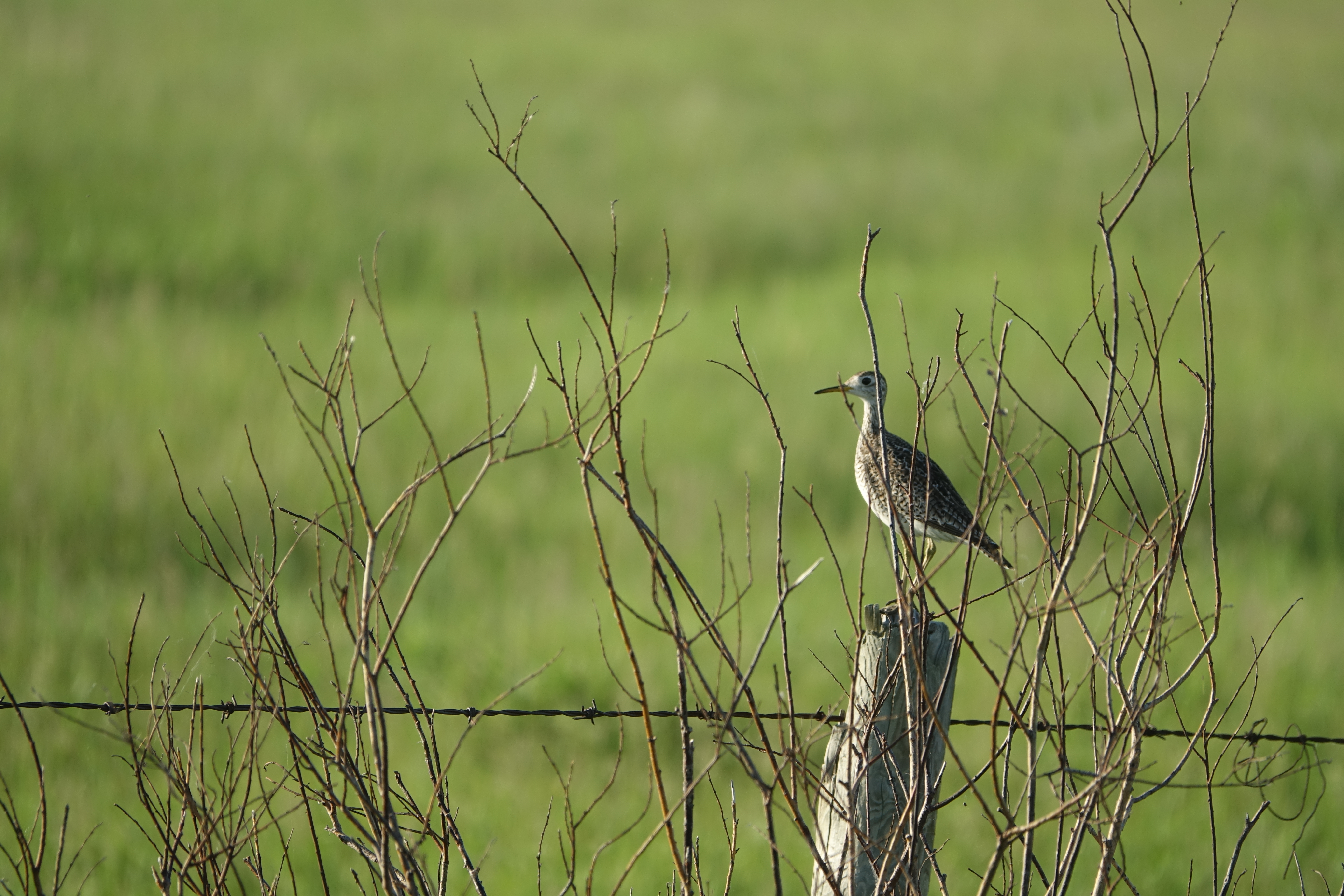
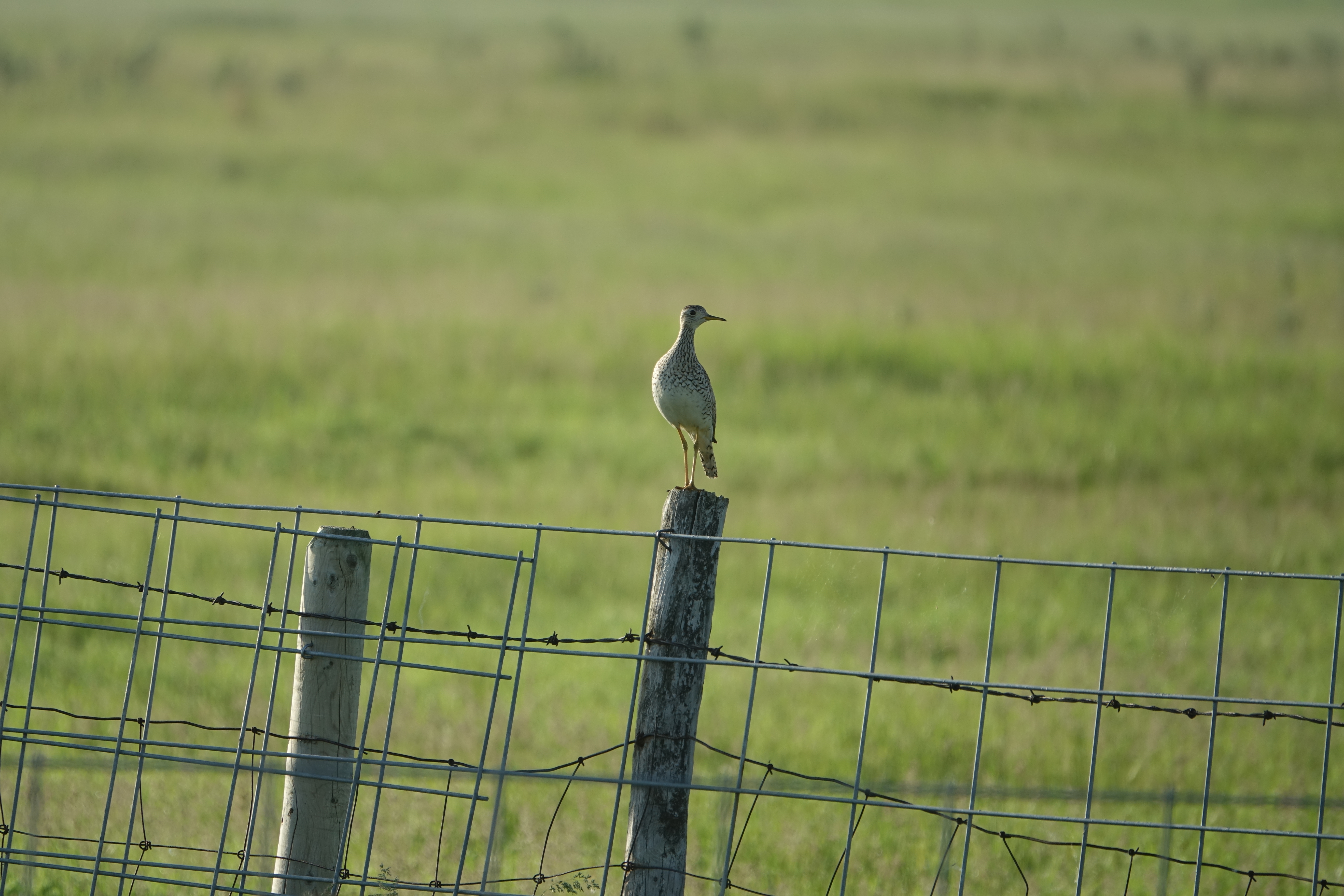
Upland Sandpiper7
Wilson’s Snipe6
Northern Harrier3
Swainson’s Hawk 1
Least Flycatcher 6
Great Crested Flycatcher 1
Common Raven5
Sedge Wren 5
House Wren 2
Eastern Towhee1
Bobolink24
Baltimore Oriole 3
Orchard Oriole3
Brewers Blackbird41
Western Meadowlark 44
Peep sp.66
Hawk sp. 1
Swamp Sparrow1
Sandhill Crane54
Semipalmated Plover1
Marbled Godwit10
Franklin’s Gull44
Ring-billed Gull77
Ring-necked Duck1
Great Egret 2
Red-necked Phalarope 13
Spotted Sandpiper2
Red-headed Woodpecker1
Gray Catbird1
Canada Jay 1
Forster’s Tern 2
Red-eyed Vireo 1
Warbling Vireo1
Northern Flicker1
Belted Kingfisher1
Marsh Wren 3
Black-billed Magpie1
Northern Flicker1
Ferruginous Hawk2
Blue Jay 1
Eastern Phoebe 2
Nelson’s Sparrow1
Brown Thrasher 2
Cedar waxwing1
Lesser Scaup 3
Grasshopper Sparrow4
Total Species Identified 105

More Red-headed Woodpecker Volunteer Opportunities!

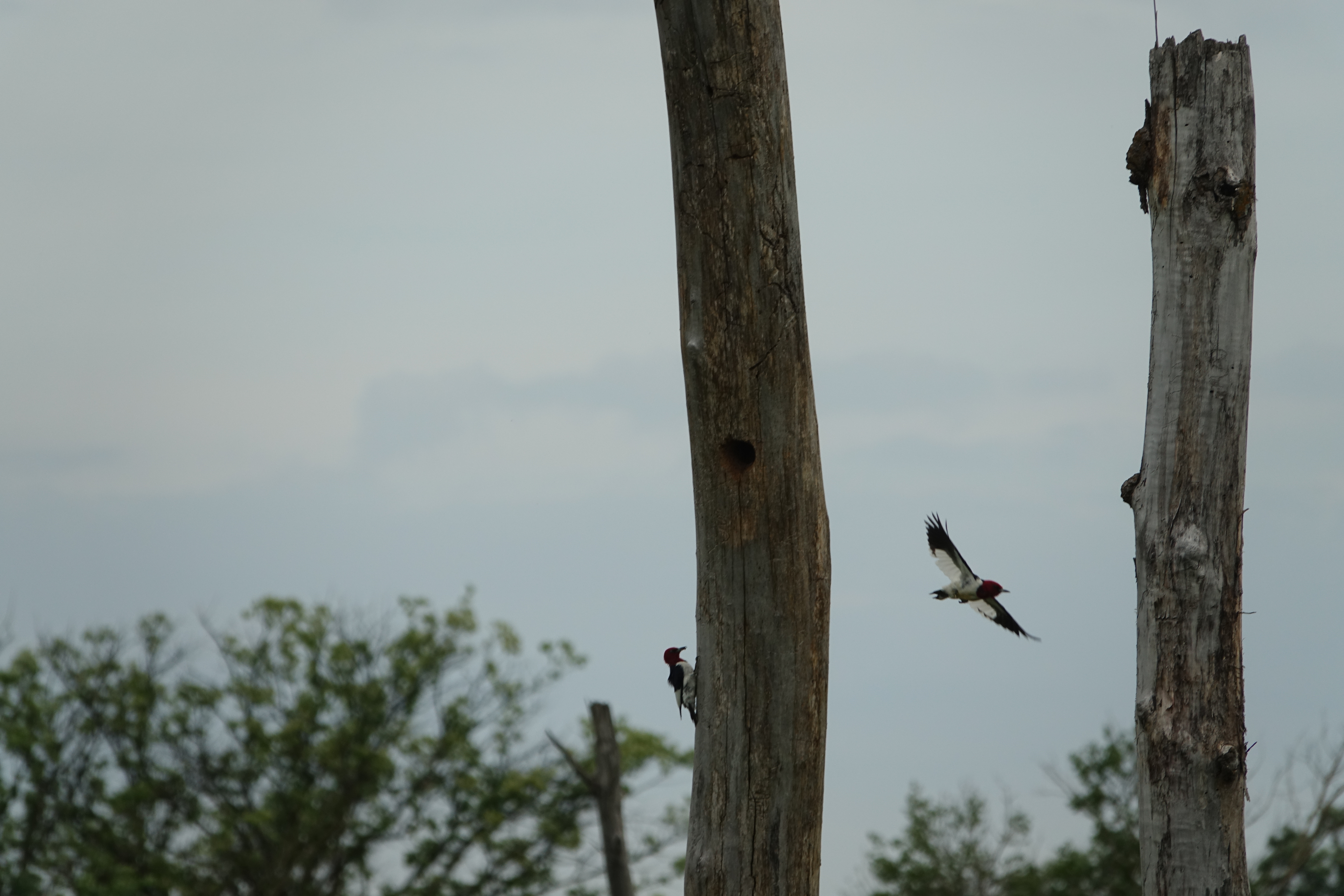
We have two opportunities coming up to monitor for the Endangered Red-headed woodpecker in Manitoba.

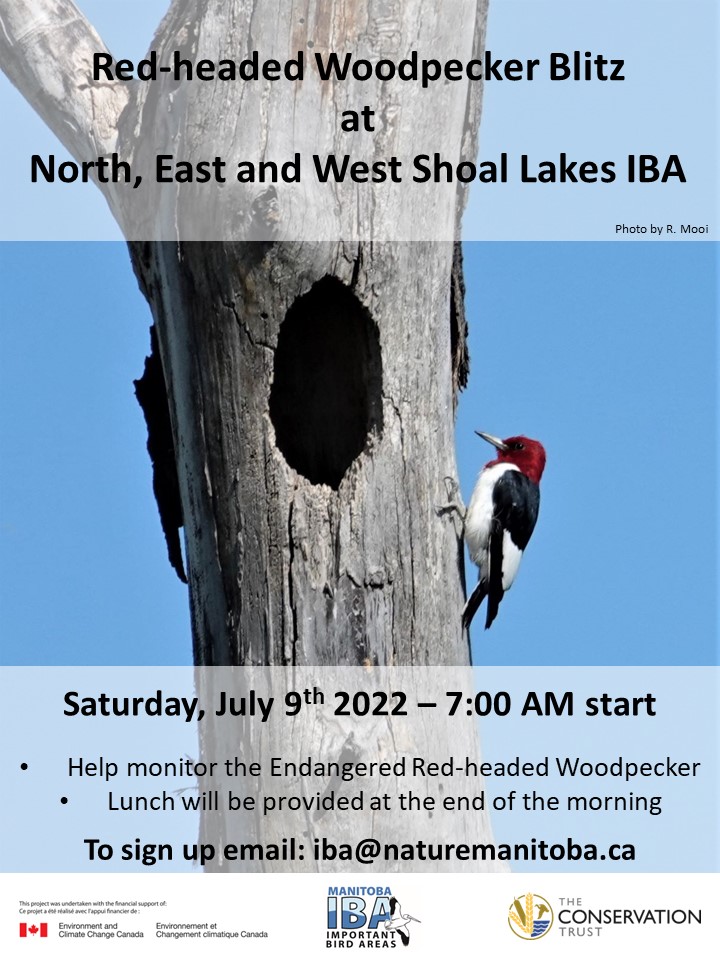
North, East and West Shoal Lakes IBA – Red-headed Woodpecker Blitz

This weekend we are holding our blitz for this species at North, East and West Shoal Lakes IBA. The blitz is taking place on Saturday, July 9th, 2022 starting at 7:00am. We are still looking for volunteers. If you are interested please email iba@naturemanitoba.ca. Carpooling may be able to be arranged and lunch will be provided at noon.

NEW! Oak Lake Plum Lake – Red-headed Woodpecker Blitz

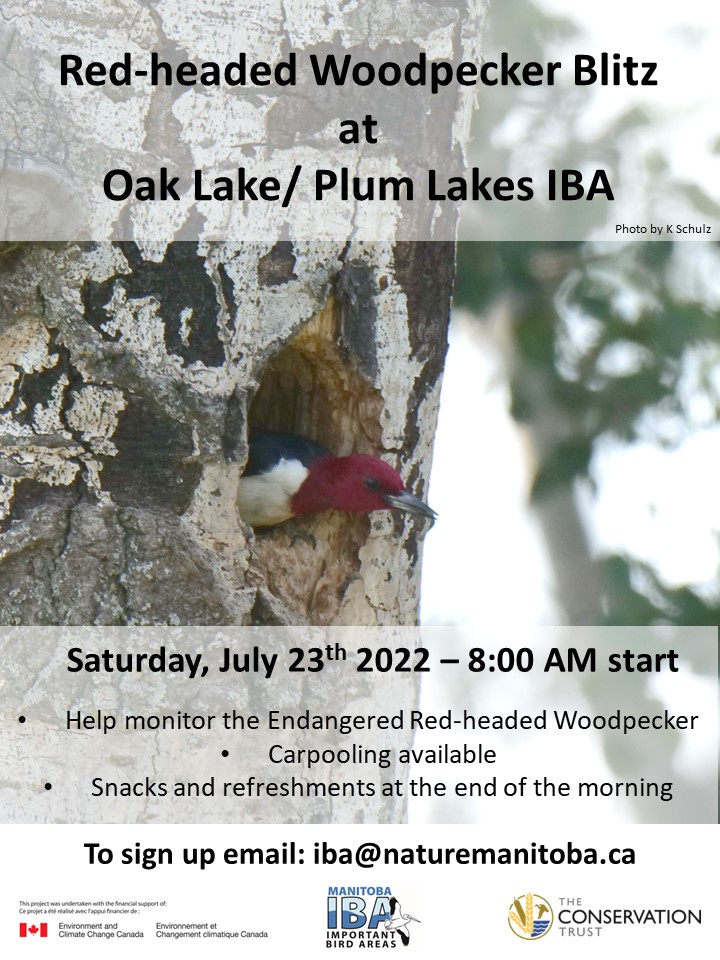
Not to be left out, we will also be blitzing for Red-headed Woodpeckers in Oak Lakes/ Plum Lakes IBA in southwestern Manitoba. The blitz will take place on Saturday, July 23rd starting at 8:00am. If you are interested please email iba@naturemanitoba.ca. Carpooling may be able to be arranged and snacks and refreshments will be provided.

Upcoming Red-headed Woodpecker Blitz – Shoal Lakes IBA

Manitoba IBA’s second event of the season in eastern Manitoba is coming up! Join us on July 9th as we blitz the North, East and West Shoal Lakes IBA for the Red-headed Woodpecker. Last year we were able to find 19 Red-Headed Woodpeckers (with smaller surveys due to COVID-19) – enough individuals to reach the IBA threshold for this species, indicating that it is key habitat!

The blitz start time is 7:00 am, and at noon we will meet for snacks and refreshments in the town of Inwood. All birding skill levels are welcome and carpooling will be arranged to the best of our ability.

Woodridge Bird Walk

On Saturday, June 11th, Amanda and I ventured down to Woodridge Manitoba, where members of the community and surrounding area joined us for an intro birding session and community bird walk.

We arrived in the community in the early morning and set up in the local community center. Our presentation and bird walk was the first of five workshops in the community as part of their “Birds of a Feather Flock together” workshops series focusing on birding and the outdoors as a way to improve mental health and bring the community together. We handed out some identification resources as everyone got settled. And of course, what would a presentation be without some technical difficulties! After that was sorted, I walked the group through various bird identification methods and the various bird groups found in Manitoba. I was pleased that the group had plenty of really great questions afterwards.

Once our presentation portion was complete, we handed out binoculars, zipped up into our mosquito suits and left the community center to begin our bird walk. As Amanda demonstrated how to successfully use binoculars, we spotted our first birds of the walk – a Tree Swallow and male House Sparrow. Our path took us through a part of the community down to a little wooded path. The group was able to test out their new knowledge when we heard a Red-eyed Vireo sing its “Where are you? Here I am.” call. Much to our frustration the Vireo was well hidden amongst the fresh leaves.

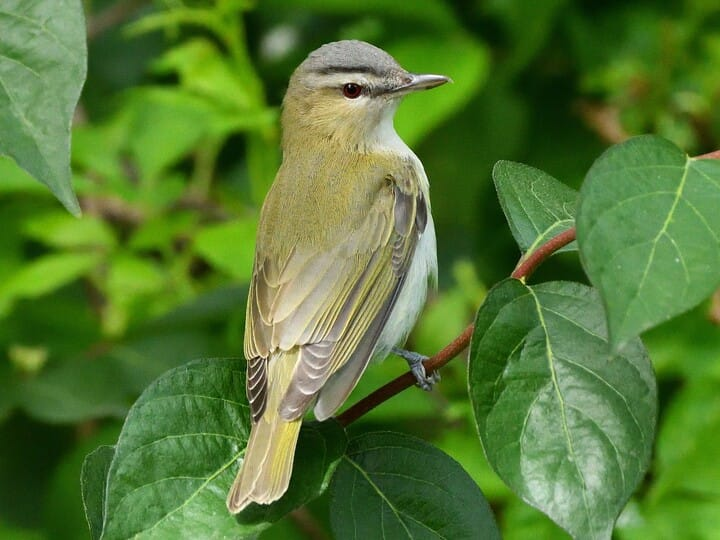
A Red-eyed Vireo – unfortunately we never ended up seeing this guy on our walk – we certainly heard its song though! Photo by Adam Zahm, allaboutbirds.org.

Other birds we encountered on the way were a Barn Swallow, Chipping Sparrow, an American Robin and an American Crow. We also heard the “squeaky wheel” sound of a Black and White Warbler. Our group members informed us along the way that they had several species of Orioles in the community this year, and in particularly large numbers. There is also usually a local group of Wild Turkeys that we didn’t end up seeing on our day out. Our day wrapped up around noon and we headed back to the community center.

A Baltimore Oriole. While we didn’t see any on our walk, earlier in the spring there were many coming to bird feeders in the Woodridge area. Photo by Fernando Bergalin Sequeria, allaboutbirds.org.

A big thank you to Corey, who reached out to us to make the event happen and to everyone who came out and for your interest in local birds!

-Ariel Desrochers
New Job Opportunity – Manitoba IBA and Manitoba Chimney Swift Initiative Coordinator

The Manitoba Important Bird Area (IBA) Caretaker Program and Manitoba Chimney Swift Initiative (MCSI) are seeking a full-time coordinator to run these programs in Manitoba, with the assistance of two volunteer steering committees. The successful candidate will work 3 days/week on the IBA Program and 2 days/week on the MCSI.  The successful candidate will be responsible for delivering multiple grants for the Manitoba Important Bird Areas Program and the Manitoba Chimney Swift Initiative.

Job Description

The position is currently funded fully up to March 31st 2023, and part-time from April 1st 2023, with actual days worked being flexible depending on the candidate’s availability and work requirements. The exact start date is negotiable, preferably by August 2nd 2022. It is envisioned that the successful candidate will work from Nature Manitoba’s Winnipeg office; however, other locations may be acceptable to suit the successful candidate’s preference. Travel to various Manitoba locations will be involved. The position will require field work and the successful candidate may need to stay overnight in rural Manitoba.

We seek a dynamic individual who can engage a variety of audiences and rally support for the projects from different sectors. The successful candidate will:

  • Work independently, but with input from both committees, to continue the development and promotion of province-wide programs
  • Write funding proposals and seek opportunities to expand the programs
  • Be skilled at giving presentations, recruiting volunteers, and organizing events
  • Organize volunteer events, including habitat stewardship work parties and volunteer monitoring blitzes
  • Engage with diverse community groups to deliver stewardship and monitoring, including beef producers, landowners, First Nations, birders and building owners
  • Deliver monitoring for various groups of birds including shorebirds, grassland birds and aerial insectivores
  • Train and coordinate volunteers in avian monitoring techniques
  • Be able to use the IBA monitoring protocol (eBird) and technical tools and to explain their usage to volunteers
  • Be able to manage a database of Chimney Swift records and coordinate contributions to national monitoring programs
  • Create and manage partnerships with governmental and non-governmental organisations
  • Maintain the website http://importantbirdareasmb.ca, social media accounts and provide content to the volunteer webmaster for the MCSI website
  • Manage two separate budgets, subcontracts and summer staff
  • Represent the programs at meetings or conferences as required
  • Coordinate the two programs and be accountable to two Steering Committees as required

Compensation: $22.50/hr starting salary with the possibility of increased hours and pay dependent on performance review.

Qualifications:

  • Demonstrated oral and written communications skills
  • Demonstrated knowledge of natural history and conservation (although a degree in biological or ecological sciences is not required, this program will benefit from someone who can speak with confidence and authority on the conservation issues pertinent to IBAs and Chimney Swifts)
  • Familiarity with Manitoba’s avifauna, experience in conservation programming, experience in working with community organizations and/or NGOs, fundraising experience, and bilingualism, are strong assets
  • Demonstrated ability to communicate and negotiate with different groups of people to deliver and negotiate stewardship for Species at Risk
  • Demonstrated avian monitoring skills
  • Basic computer familiarity, especially with Microsoft Office programs (Word, Excel, PowerPoint, and Outlook). Familiarity with Adobe or other photo-editing software an asset
  • Valid driver’s license (own vehicle preferred or ability to rent a vehicle)

Apply To:

Please send (electronically in .doc or.pdf format) a résumé and cover letter with the names of three referees to Christian Artuso at chartuso@gmail.com.

Deadline: July 3rd, 2022, 11:00 PM Central time.

Click here to download a .pdf of the job posting

Oak Hammock Marsh Shorebird Walk

On Saturday May 28th, Manitoba IBA led two shorebird walks at Oak Hammock Marsh. Starting at 8 am and then 10 am, we wandered the soaked marsh paths and while shorebirds were mostly small in numbers, we did have a few surprises from the day!

Monitoring at the Shorebird Scrape. Photo by Ariel Desrochers.
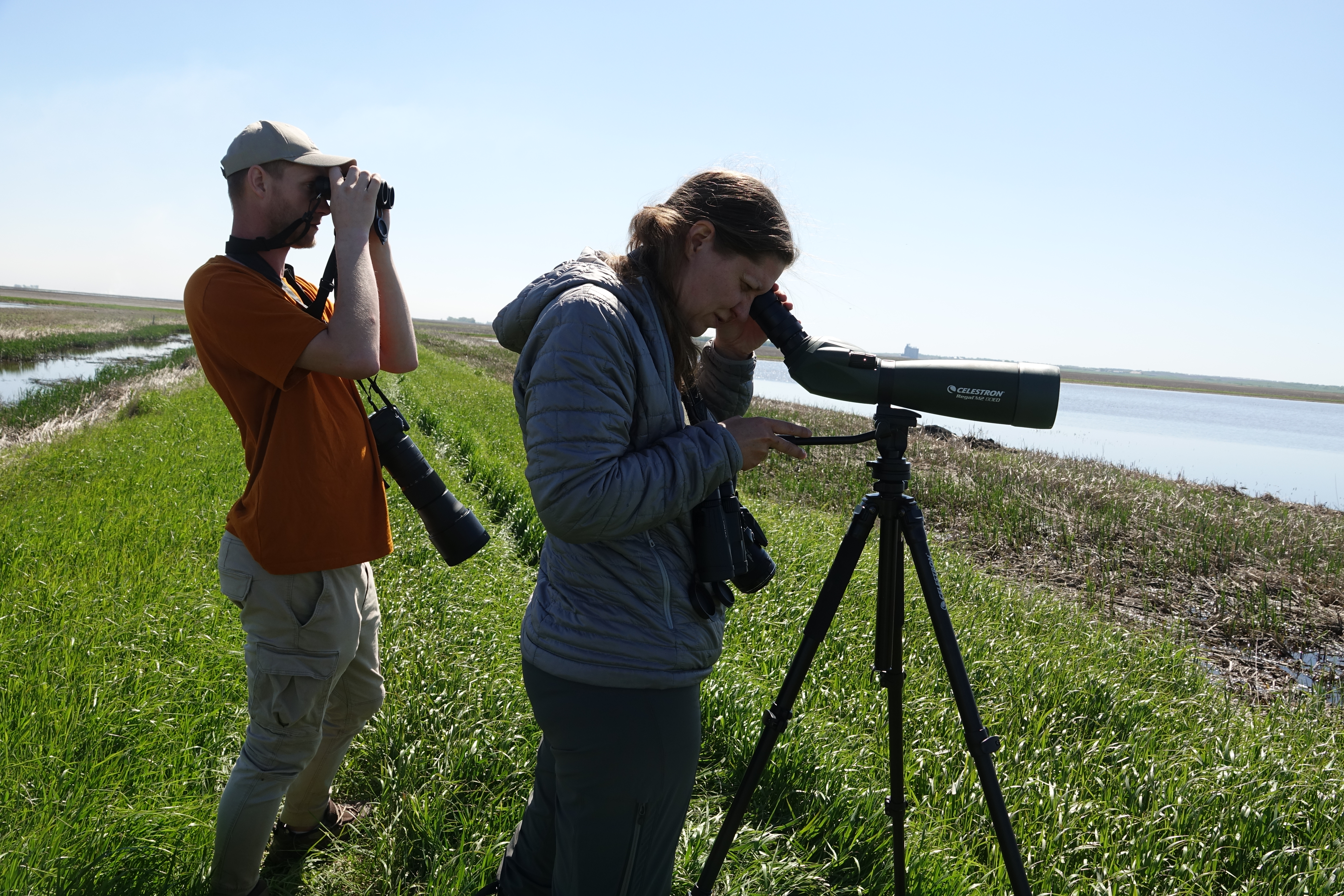
We met our first group just before 8am in the parking lot of the Harry J. Enns Interpretive Centre. Unfortunately, our coordinator Amanda, who would normally lead a walk such as this, was stuck at home recovering from Covid-19. However, we were lucky enough to have Bonnie Chartier with us! She is a experienced birder, IBA Steering Committe member, International Shorebird Survey volunteer and tour guide and was so was beyond perfect for the job. I (Ariel) was also there to assist. Before we set off, we spoke to Paula, Oak Hammock Marsh’s Resident Naturalist, who informed us of the high water levels, which was not surprising in the least.

Our first group included experienced birders and a young birder and her mom, their first birding outing! Our first stop was the Shorebird Scrape where we saw various duck species, including Northern Shoveler and Redheads, and were surrounded by swooping swallows. The majority were Tree Swallows but also spotted were Bank, Cliff, Barn and Northern Rough Winged Swallows. This is where we spotted two shorebird species, a Marbled Godwit and a Spotted Sandpiper. After monitoring that area for a while we set off towards Willow trail. Along the way we listened for sparrows and warblers. We were drawn by the calls of a few Sora, but never saw them. We only had a hour and a half for our walk so eventually we turned around and headed back. Just before the parking lot, a handful of the group noticed a number of birds flying in a “V” formation above, followed by many separate groups of the same bird. It was determined that they were Black-bellied Plover!

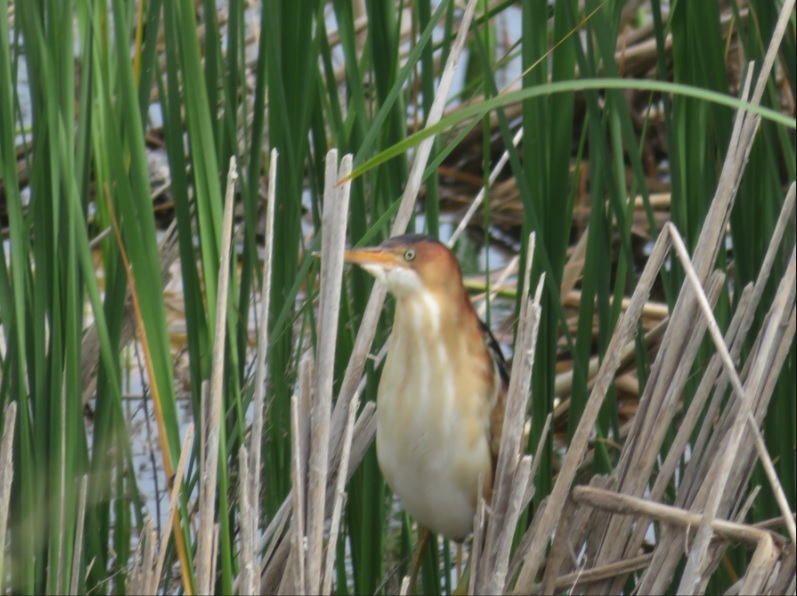
Our second group started out at 10 am and headed down Blackbird trail. By this time the wind had picked up significantly but we were still able to hear quite a bit of bird noise. Bonnie pointed out the call of a Least Bittern that was across the Marsh, and several Sora were also heard. A group of trees contained swallows, a Magnolia Warbler, a Wilson’s Warbler and a Common Yellowthroat, which was a first for me! We took our time on Blackbird trail and rounded out the walk by heading back on the boardwalk.

Northern Shoveler. Photo by Ariel Desrochers.
Killdeer. Photo by Ariel Desrochers.
Overall, due to the water high water levels, few shorebirds were spotted but there was still plenty to be seen. A big thanks to everyone who came out and to Bonnie Chartier for leading the day! The full checklist of species for each walk can be found below:

Counts for 8:00 am walk:

Species Count
Canada Goose13
Trumpeter Swan2
Blue Winged Teal 8
Northern Shoveler9
Mallard 3
Canvasback 1
Redhead 8
Lesser Scaup 2
Sora4
Black Bellied Plover300
Killdeer4
Marbled Godwit1
Spotted Sandpiper1
Black Tern6
Least Bittern1
Northern Harrier1
Bald Eagle 1
American Kestrel1
Common Raven 2
Northern Rough-Winged Swallow3
Purple Martin 6
Tree Swallow40
Bank Swallow3
Barn Swallow2
Cliff Swallow3
Sedge wren 2
Gray Catbird2
Clay-colored Sparrow 1
Savannah Sparrow2
Song Sparrow2
Swamp Sparrow4
Yellow Headed Blackbird12
Western Meadowlark1
Red Winged Blackbird8
Brown-headed Cowbird1
Common Grackle 3
Common Yellowthroat1
Yellow Warbler 1
Wilson’s Warbler 1

Counts for 10:00 am walk:

SpeciesCount
Canada Goose3
Blue-winged Teal 1
Northern Shoveler 1
Redhead2
Lesser Scaup2
Sora4
American Coot2
Black Tern2
American White Pelican 1
Least Bittern1
Great Blue Heron3
Eastern Kingbird1
Common Raven 1
Purple Martin 15
Tree Swallow6
Bank Swallow1
Barn Swallow1
Marsh Wren 2
Clay-colored Sparrow1
Song Sparrow1
Swamp Sparrow1
Yellow-headed Blackbird2
Red-winged Blackbird Present
Common Grackle 10
Common Yellowthroat 5
American Redstart 1
Magnolia Warbler 1
Yellow Warbler 3
Wilson’s Warbler 1

-Ariel Desrochers
Welcome Ariel!

Hi Everyone! I am pleased to announce that I am back for a second summer with the Manitoba IBA program, filling in the roll of Summer Assistant once again.
Since my departure at the end of August 2021, I have gone on to finish my bachelors degree in Environmental Studies and am excited to kick off my working life doing what I love: looking at Manitoba’s beautiful birds! This year I will continue focusing on species at risk, including Red Headed Woodpeckers and Eastern Whip-poor-wills, as well as working with our Chimney Swift initiative. Some of you may have met me last year during one of our events but if not, I look forward to meeting you this summer!

New Events for Manitoba IBA Program

Despite a cool and rainy spring, the Manitoba IBA program is looking ahead to our first events of the season! To sign up for events email iba@naturemanitoba.ca unless otherwise noted.


Oak Hammock Marsh Shorebird Walk – Saturday, May 28th at 8:00 am or 10:00 am

We will be at Oak Hammock Marsh for their World Migratory Bird Day celebration on Saturday, May 28th for shorebird walks departing the Interpretive Centre parking lot at 8:00 am and 10:00 am. Spotting scopes will be available to use and this event is suitable for all skill levels. There is a $10/person fee for the walk. This event is run by the Harry J. Enns Wetland Interpretive Centre. To sign up contact the Interpretive Centre or sign up online at: https://oakhammockmarsh.myshopify.com/products/guided-shorebird-survey-walk.


Southwestern Manitoba Shorebird Identification Workshop – Sunday, May 29th at 8:30 am

Join us on a visit in southwestern Manitoba for a practical look at how to identify shorebirds in their breeding plumage. Our location in southwestern Manitoba is to be announced depending on where shorebirds are gathering and accessible. Possible locations include Elton Road Wetland, Griswold Marsh or Oak Lake/ Plum Lake IBA. Spotting scopes will be available to use. Carpooling from Winnipeg or Brandon is available.  This is a free event suitable for all skill levels.


Whitewater Lake Bird Blitz – Saturday, June 4th at 8:30 am

Support bird conservation in Manitoba by participating in our citizen science monitoring of Whitewater Lake. Whitewater Lake is a premier destination in Manitoba for shorebirds, and a wide variety of other birds. Carpooling from Winnipeg or Brandon is available. This is a free event suitable for all skill levels.

Update on Avian Influenza in Manitoba

Highly Pathogenic Avian Influenza (HPAI) has now been detected in Manitoba in two cases, a Bald Eagle near Dauphin and Snow Geese near Waskada (see https://cfia-ncr.maps.arcgis.com/apps/dashboards/89c779e98cdf492c899df23e1c38fdbc). The province has released more information for anyone interested – https://news.gov.mb.ca/news/index.html?item=54262&posted=2022-04-20

In the past 24 hours there has been a lot of debate on social media relating to bird feeders. This is obviously quite a sensitive issue for people, depending on their comfort level. Currently the Canadian Food Inspection Agency and the Canadian Wildlife Service are still advising that bird feeders are safe because there are very few cases of HPAI in songbirds. However, if you have a feeder or a bird bath they are recommending regular cleaning. The exact wording is as follows:

“To minimize the risk of transmission of HPAI, do not handle or feed any wild bird by hand. Feeding encourages wild birds to congregate around food sources and can increase the probability of transmission among wild birds, both within and among species.

The use of bird feeders is still safe but they should be removed from areas that are open to poultry and other domestic animals. If you care for poultry, prevent contact between wild birds and poultry by removing exterior/outdoor sources of food, water and shelter that attract wild birds.

Backyard bird feeders and baths should be cleaned regularly using a weak solution of domestic bleach (10% sodium hypochlorite). Ensure they are well rinsed and dried before re-use.”

It goes without saying that this advice might change. However, HPAI has been present in Europe for much longer and the impact on songbirds there has been minimal (see list of infected species from the UK – https://assets.publishing.service.gov.uk/government/uploads/system/uploads/attachment_data/file/1069649/ai-findings-2022-wk15.csv/preview).

More information on HPAI can be found at https://www.canada.ca/en/environment-climate-change/services/migratory-game-bird-hunting/avian-influenza-wild-birds.html

-Amanda